Use ice early and heat later: apply ice during the first 24–48 hours to reduce inflammation, then switch to heat to relax muscles and improve blood flow.
Stay active instead of resting completely: gentle movement like walking and light stretching promotes faster recovery than prolonged bed rest.
Optimize sleep and ergonomics: proper positioning and workspace setup reduce strain and help prevent recurrence.
Build core strength for long-term prevention: strengthening the abdominal and back muscles improves spinal support and resilience.
Know when to escalate care: seek medical evaluation if pain lasts more than two weeks or includes neurologic symptoms such as numbness, tingling, or weakness.
Why Back Pain Happens Suddenly
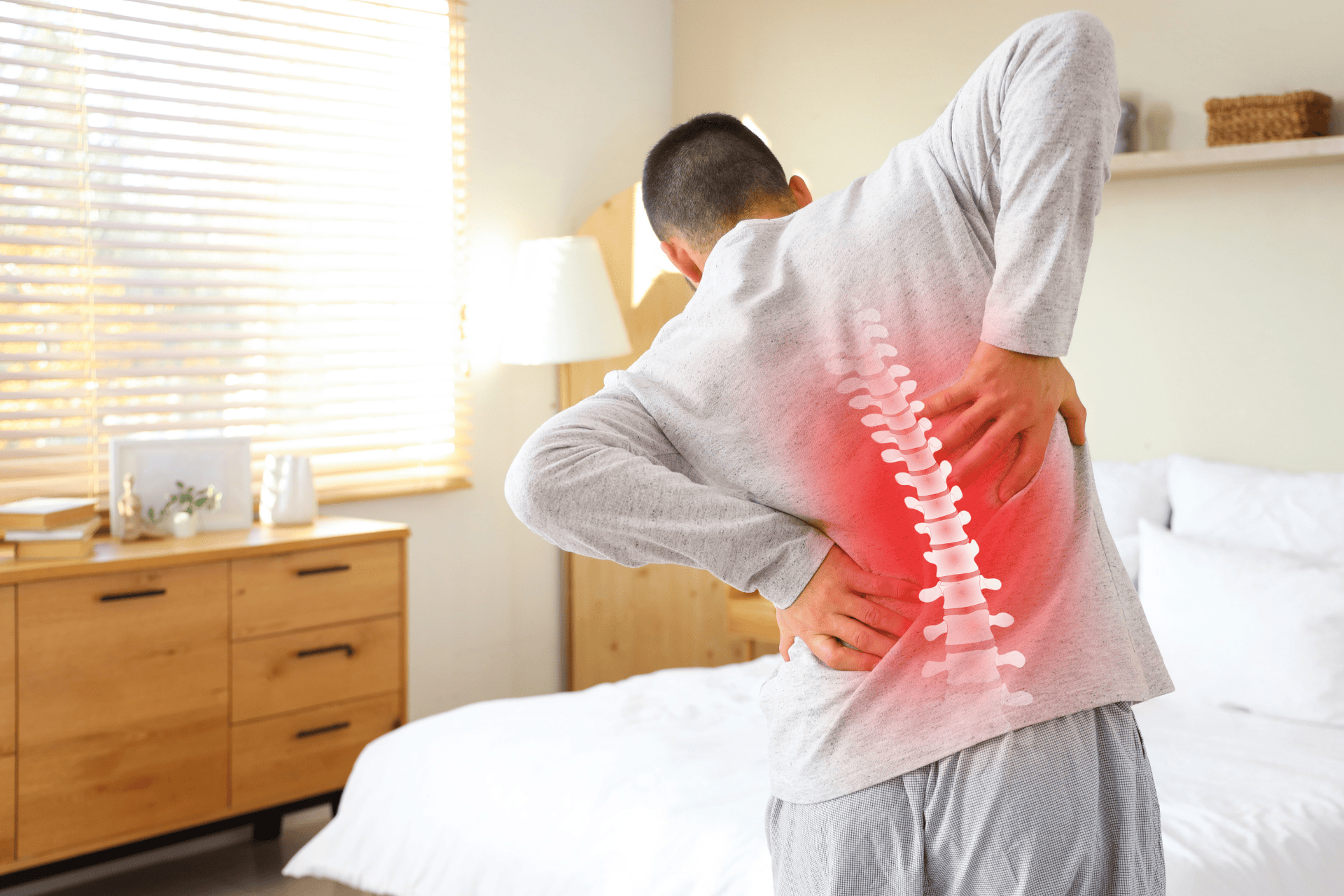
Back pain strikes without warning. One moment everything feels fine, and the next, a simple twist or bend sends sharp pain radiating through the spine. By 2050, global lower back pain cases are projected to reach approximately 843 million, making this one of the most common health complaints worldwide. The good news is that most back pain responds well to home treatment. Knowing how to relieve back pain at home saves time, money, and unnecessary trips to the doctor. These proven strategies work for most people experiencing mild to moderate discomfort. Doctronic offers affordable AI-assisted consultations with licensed clinicians to help determine whether home treatment is appropriate for specific symptoms.
Immediate Relief Strategies for Acute Back Pain
When back pain first hits, the body needs targeted intervention to reduce inflammation and muscle spasms. Quick action during the first 48-72 hours makes a significant difference in recovery time.
Applying Heat and Cold Therapy
Cold therapy works best during the first two days after pain begins. Ice packs reduce inflammation and numb the affected area, providing immediate relief. Apply ice wrapped in a thin towel for 15-20 minutes at a time, with at least an hour between sessions. After 48 hours, switch to heat therapy. Heating pads or warm baths relax tight muscles and increase blood flow to damaged tissues. Heat sessions can last 20-30 minutes and repeat as needed throughout the day.
Optimal Sleeping Positions for Spinal Alignment
Poor sleep positions worsen back pain significantly. Side sleepers should place a pillow between their knees to keep the spine neutral. Back sleepers benefit from a pillow under the knees to reduce lower back strain. Stomach sleeping puts the most stress on the spine and should be avoided when possible. A medium-firm or firm mattress provides better support than soft options for most people with back pain, according to updated 2025 clinical guidelines from the American College of Physicians.
Over-the-Counter Topical and Oral Medications
Non-prescription pain relievers offer temporary relief while the body heals. Ibuprofen and naproxen reduce both pain and inflammation. Acetaminophen helps with pain but does not address swelling. Topical creams containing menthol, capsaicin, or lidocaine provide localized relief without systemic side effects. Always follow dosage instructions carefully and avoid prolonged use without medical guidance.
Gentle Exercises and Stretches to Improve Mobility
Rest has its place, but too much inactivity actually delays healing. Dr. Randall advises, "You can rest your back, but you don't want to be bedridden. Activate the muscles with gentle stretches, walking, and daily movement."
Lower Back Decompression Stretches
The knee-to-chest stretch releases tension in the lower back immediately. Lie flat, pull one knee toward the chest, hold for 30 seconds, then switch sides. The cat-cow stretch on hands and knees alternates between arching and rounding the spine, improving flexibility. Child's pose stretches the entire back while allowing muscles to relax completely. Perform these stretches two to three times daily for best results.
Core Strengthening for Long-Term Support
Weak core muscles force the spine to bear loads it cannot handle alone. The bird-dog exercise builds stability: start on hands and knees, extend opposite arm and leg, hold for five seconds, then switch. Partial crunches strengthen abdominal muscles without straining the back. Bridge exercises target the glutes and lower back simultaneously. Aim for 10-15 repetitions of each exercise, three times per week.
The Benefits of Walking and Low-Impact Movement
"Motion is lotion" is a phrase physical therapists often use because it captures an essential truth: movement lubricates joints and keeps muscles flexible. Start with short walks of 10-15 minutes and gradually increase duration as pain allows. Swimming and water aerobics provide excellent low-impact options that support the spine while building strength.
Ergonomic Adjustments for Daily Activities
The average adult spends 8.5 hours a day sitting, placing enormous strain on the lower back. Small changes to daily habits prevent pain from recurring.
Setting Up a Back-Friendly Home Office
Chair height matters more than most people realize. Feet should rest flat on the floor with knees at a 90-degree angle. Computer monitors belong at eye level to prevent neck strain that travels down the spine. A small lumbar support pillow fills the gap between the lower back and chair. Standing desks allow position changes throughout the day, reducing sustained pressure on spinal discs.
Correct Lifting Techniques to Prevent Re-Injury
Lifting with the back instead of the legs causes most lifting-related injuries. Bend at the knees, keep the object close to the body, and use leg muscles to stand. Avoid twisting while holding heavy items. For objects that are too heavy, ask for help or use a dolly. These simple changes prevent the majority of re-injuries.
Lifestyle Modifications for Spinal Health
Treating back pain at home extends beyond exercises and ergonomics. Daily habits play a crucial role in spinal health.
The Connection Between Stress and Muscle Tension
Chronic stress causes muscles to tighten, particularly in the neck, shoulders, and lower back. Deep breathing exercises activate the parasympathetic nervous system, signaling muscles to relax. Meditation apps offer guided sessions specifically designed for pain relief. Even five minutes of intentional relaxation each day reduces muscle tension measurably. Doctronic can provide personalized stress management recommendations based on individual health profiles.
Anti-Inflammatory Nutrition and Hydration
Certain foods can increase systemic inflammation, worsening back pain. Processed foods, refined sugars, and excessive alcohol promote inflammation. Anti-inflammatory foods include fatty fish, leafy greens, berries, and nuts. Proper hydration keeps spinal discs plump and functional: aim for about 2 to 2.5 liters (roughly 8–10 cups) of water daily for most adults. Maintaining a healthy weight reduces stress on the spine significantly.
Identifying When to Seek Professional Medical Care
Home remedies for back discomfort work well for most cases, but certain symptoms require professional evaluation. Seek immediate care if pain follows a fall or injury. Numbness, tingling, or weakness in the legs signals potential nerve involvement. Pain that wakes a person from sleep or persists beyond two weeks despite home treatment needs medical attention. Fever accompanying back pain may indicate infection. Doctronic provides 24/7 access to AI-powered medical consultations that help determine whether symptoms require in-person care. The platform remembers prior visits and health history, providing personalized guidance tailored to individual circumstances.
Frequently Asked Questions
Most acute back pain improves within two to four weeks with home treatment. If pain persists beyond this timeframe or worsens despite self-care, schedule a medical evaluation. Pain accompanied by fever, unexplained weight loss, or bladder problems requires immediate attention.
Sleeping position significantly impacts spinal health. Poor positioning strains muscles and compresses discs for hours each night. Side sleeping with a pillow between the knees, or back sleeping with a knee support, helps maintain neutral spinal alignment and reduce morning stiffness.
Extended bed rest actually worsens back pain in most cases. Brief rest periods of a few hours help during acute flare-ups, but prolonged inactivity weakens muscles and stiffens joints. Gentle movement and walking speed recovery more effectively than staying in bed.
Avoid high-impact activities like running or jumping until pain subsides. Toe touches while standing strain the lower back and discs. Heavy weightlifting and exercises that involve twisting under load should wait until full recovery.
The Bottom Line
Relieving back pain at home requires a combination of immediate relief strategies, gentle movement, ergonomic improvements, and lifestyle changes. Most people experience significant improvement within two to four weeks using these methods. For persistent or severe symptoms, Doctronic offers AI-assisted consultations and telehealth visits with licensed physicians available 24/7.
Understanding Emotional Wellness Through DBTEmotions feel overwhelming when they seem to control every decision. Dialectical Behavior Therapy offers practical techniques for [...]
Getting Skin Care Without the Insurance HeadachesThat suspicious mole has been bothering you for weeks. You want answers from a dermatologist, but a quick call to your [...]
Why Ankles Swell After Physical ActivityFinishing a workout with puffy, tight ankles can be alarming. Most people assume something is wrong, but bloated ankles after exercise [...]



 Gentle Exercises and Stretches to Improve Mobility