Bone & Joint Health
What Is a Dangerously High Calcium Level and What Does It Mean?
July 21, 2026
6 min read

Medically reviewed by Lauren Okafor | MD, The Frank H Netter MD School of Medicine, Loyola University Medical Center on April 19th, 2026.
Published on April 6th, 2026. Updated on July 23rd, 2026.
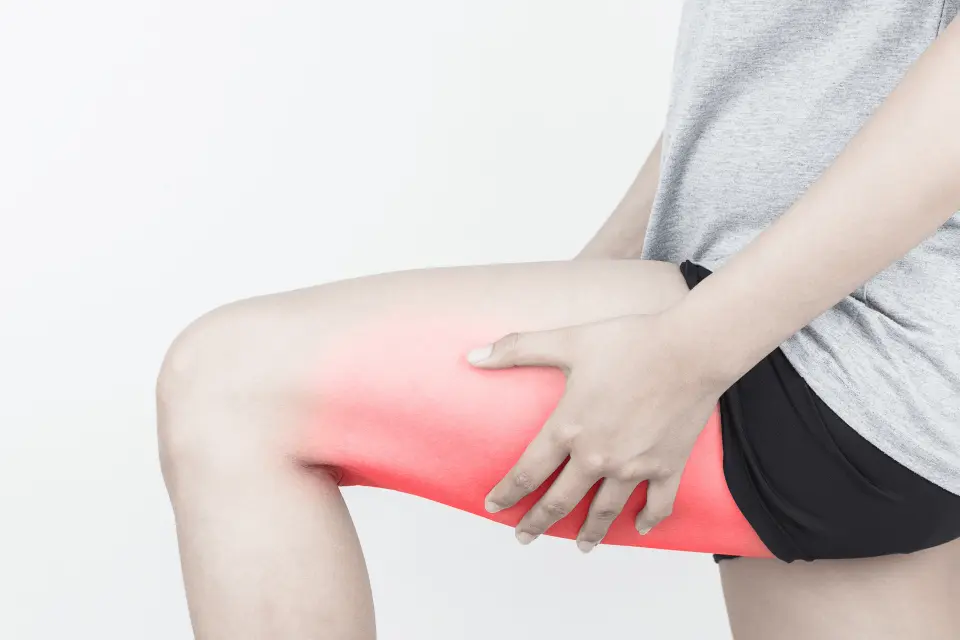
A pulled muscle (muscle strain) occurs when muscle fibers are overstretched or partially torn, and ranges from Grade 1 (mild) to Grade 3 (complete rupture).
The PRICE method (Protect, Rest, Ice, Compress, Elevate) remains the cornerstone of immediate care for most muscle strains in the first 48 to 72 hours.
Ice is best in the first two to three days to reduce swelling; heat becomes appropriate after swelling has subsided to relax tight, healing tissue.
Over-the-counter options like ibuprofen and acetaminophen both help with pain, but they work differently and suit different situations.
Most mild to moderate strains improve within two to six weeks with consistent home care, gentle mobility work, and gradual return to activity.
Signs that a pulled muscle needs professional attention include a popping sensation at injury, inability to bear weight, severe swelling, or no improvement after two weeks.
Doctronic.ai lets you describe your muscle injury symptoms and get an AI-assisted assessment to decide whether home treatment is sufficient or in-person care is warranted.
The term "pulled muscle" is a casual name for a muscle strain, which happens when muscle fibers are forced beyond their normal range of motion. This overstretching creates small tears in the fibers or surrounding connective tissue. Depending on severity, the result can be mild soreness that resolves in days or a debilitating injury that requires weeks of rehabilitation. Strains commonly occur during sudden movements, heavy lifting, or activities started without a proper warm-up.
Strains are classified on a three-grade scale based on the extent of muscle fiber damage.
A Grade 1 strain involves microscopic tearing of a small percentage of muscle fibers. The muscle remains structurally intact and functional. Pain and tenderness are present at the site, but the muscle can still produce force. Swelling is usually minimal. Recovery typically takes one to two weeks.
A Grade 2 strain is a more significant partial tear. A noticeable portion of the muscle fibers is disrupted, causing moderate to severe pain, visible swelling, and some loss of strength. Bruising often appears within 24 to 48 hours. Movement is limited, and the area may feel tender to the touch across a wider region. Recovery typically takes three to six weeks, sometimes longer for larger muscles.
A Grade 3 strain is a complete tear of the muscle, meaning the muscle has separated from itself or from its tendon attachment. This is a serious injury. A popping or snapping sound at the moment of injury, severe pain, complete loss of function, and a visible gap or bulge in the muscle are characteristic signs. Grade 3 strains frequently require surgical intervention and months of rehabilitation.
Strains can affect any muscle, but several are pulled more often than others:
Hamstrings (back of the thigh): Among the most frequently strained muscles, particularly in runners and athletes who sprint or kick.
Calf (gastrocnemius and soleus): Often strained with sudden accelerations, jumps, or missteps on uneven surfaces.
Lower back (lumbar erector spinae and multifidus): Extremely common from lifting with poor form, awkward twisting, or sustained postural stress.
Groin (adductors): Common in activities that require sudden lateral movements, such as soccer, hockey, and tennis.
Shoulder (rotator cuff and deltoid): Strained by overhead lifting, throwing, or reaching activities.
Weight-bearing muscles like those in the back and legs tend to recover more slowly because they are difficult to fully rest.
In the first 48 to 72 hours after a muscle strain, the priority is to limit further damage and control inflammation. The PRICE method provides a structured framework.
Avoid activities that stress the injured muscle. Stop the activity that caused the injury and stay away from anything that produces sharp pain at the site. A light support wrap or brace can help protect the area from accidental re-injury.
Give the muscle time to begin healing. Meaningful rest is appropriate for the first one to two days, but this does not mean complete immobilization. Gentle movement within a pain-free range helps prevent stiffness. The goal is controlled rest, not prolonged inactivity.
Apply an ice pack wrapped in a thin cloth to the injured area for 15 to 20 minutes at a time. Repeat every two to three hours during waking hours for the first 48 to 72 hours. Ice reduces blood flow to the area temporarily, which helps control swelling and dulls pain signals. Do not apply ice directly to skin, and remove it if numbness develops.
Wrap the area with an elastic bandage to reduce swelling and provide light support. Start wrapping from a point below the injury and work upward, applying enough pressure to feel snug but not enough to cut off circulation. Tingling, numbness, or color change in the skin below the wrap means it is too tight.
When resting, position the injured muscle above the level of the heart when possible. Elevation uses gravity to reduce fluid accumulation in the tissue. For a calf or hamstring strain, propping the leg on pillows while lying down works well. Elevation is less practical for back or shoulder strains, where reducing overall physical activity is more important.
One of the most common questions after a muscle injury is whether to use ice or heat. The answer depends on where you are in the recovery timeline.
Use ice in the first 48 to 72 hours. During this acute phase, the tissue is inflamed and swollen. Ice slows cellular metabolism and blunts pain signals. Applying heat during this phase increases blood flow and worsens swelling.
Switch to heat after swelling has resolved. Gentle heat relaxes muscle fibers, improves local blood flow, and makes tissue more pliable for stretching. A warm compress or heating pad on a low setting applied for 15 to 20 minutes before movement works well.
Using heat too early is a more common mistake than icing too long.
Get muscle strain treatment online today
A licensed doctor can review your symptoms and send a prescription to your pharmacy, often the same day.
Related medications we prescribe
Learn moreOver-the-counter pain medications can make a meaningful difference in comfort and function during recovery. Two categories are commonly used for muscle strains.
Nonsteroidal anti-inflammatory drugs like ibuprofen reduce both pain and inflammation by blocking prostaglandins, the chemicals that promote swelling and amplify pain signals. For strains with significant swelling, NSAIDs are often the more targeted choice. Take with food and follow the package dosing instructions. People with kidney problems, stomach ulcers, or certain cardiovascular conditions should check with a provider before using NSAIDs regularly.
Acetaminophen reduces pain without anti-inflammatory effects, making it a reasonable option when inflammation is not the primary concern or when NSAIDs are not appropriate. Do not exceed the recommended daily dose, and avoid it if you drink alcohol regularly or have liver disease.
If pain requires consistent medication for more than a week without improvement, seek professional evaluation.
Gentle movement helps muscle strains heal. Prolonged immobilization leads to scar tissue formation that limits the range of motion and increases re-injury risk. The key is choosing the right time and intensity.
During the first 48 hours, limit movement to a gentle, completely pain-free range of motion. Starting around day three to five, introduce gentle static stretches held for 20 to 30 seconds, two to three repetitions. The stretch should feel like mild pulling, not pain.
As pain subsides over the following week or two, add light strengthening. Isometric exercises (contraction without movement) progress to isotonic exercises (movement against resistance) as tolerated.
For muscle strain recovery, a gradual return to full activity is safer than rushing. Many re-injuries happen because people feel better before the tissue is fully repaired. If a movement produces sharp pain at the injury site, back off and rest.
Most Grade 1 and some Grade 2 muscle strains respond well to home treatment. However, certain situations call for professional evaluation:
A popping or snapping sound or sensation occurred at the moment of injury, which may indicate a complete rupture.
You cannot bear weight on the injured leg or use the affected limb without severe pain.
Swelling is severe and spreading, or a visible deformity or gap appears in the muscle.
Bruising is extensive and expanding significantly beyond the injury site.
Numbness, tingling, or weakness develops in the limb below the injury.
Symptoms are not improving after two weeks of consistent home treatment.
You have recurring strains in the same muscle, which may indicate a biomechanical problem worth addressing professionally.
Grade 3 strains always require medical evaluation. A physician may order imaging to assess the extent of the tear and determine whether surgical repair is appropriate.
Recovery time depends on the grade of the strain. Grade 1 strains typically heal within one to two weeks. Grade 2 strains usually require three to six weeks. Grade 3 ruptures may take several months and sometimes require surgery followed by physical therapy.
Not immediately. During the first 24 to 48 hours, avoid stretching the injured muscle. After the acute phase, gentle pain-free stretching can begin and helps restore range of motion. Stretching aggressively too soon increases the risk of worsening the tear.
Ice is better during the first 48 to 72 hours when swelling and inflammation are the main concerns. Heat becomes appropriate after swelling has resolved, typically starting around day three or four, to help relax and loosen the healing tissue before movement.
Light, pain-free activity that does not load the injured muscle is generally acceptable and even beneficial. Activities that use the injured muscle, cause pain at the injury site, or involve high impact should be avoided until the muscle has healed sufficiently.
PRICE stands for Protect, Rest, Ice, Compress, Elevate. It describes the core steps for managing a muscle strain in the first 48 to 72 hours to limit swelling, reduce pain, and protect the tissue while initial healing begins.
Seek medical attention if you hear or feel a pop at the injury, cannot use the limb, have severe or worsening swelling, or notice no improvement after two weeks. These signs may indicate a more serious tear that benefits from imaging and professional treatment. For a pulled muscle in the back specifically, reviewing guidance on a pulled muscle in the lower back can help distinguish a manageable strain from a condition that needs evaluation.
Caring for a pulled muscle starts with recognizing the injury grade and applying the PRICE method in the first 48 to 72 hours. Ice, rest, compression, and elevation control the early damage. After swelling subsides, gentle stretching, progressive strengthening, and a patient return to activity allow the tissue to repair fully. Most mild to moderate muscle strains recover well at home when managed consistently.
For questions about your symptoms or help deciding whether a muscle strain needs professional attention, visit Doctronic.ai for an AI-assisted evaluation available any time.
Explore treatment options
Chat Now
Join 50,000+ readers using Doctronic to understand symptoms, medications,
and next steps.
Add your phone number below to get health updates and exclusive VIP offers.
By providing your phone number, you agree to receive SMS updates from Company. Message and data rates may apply. Reply “STOP” to opt-out anytime. Read our Privacy Policy and Terms of Service for more details.
Save your consults. Talk with licensed doctors and manage your health history.