How Much Weight Can You Lose on Zepbound in 3 Months?
Key Takeaways
Most people lose about 5% to 10% of their starting body weight during their first three months on Zepbound, which typically equals 6 to 15 pounds, depending on initial weight
Clinical trials showed an average weight loss of 5% to 10% of body weight by week 12
Month one typically produces modest results as the body adjusts to the lowest dose
Months two and three show faster progress as the dosage increases
Diet, exercise, and starting weight all affect individual results
Managing side effects helps people stay consistent with treatment
Understanding Zepbound and Weight Loss Expectations
Starting a weight-loss medication raises a key question: how much weight can a person actually lose? For those considering Zepbound, the three-month mark often serves as the first major checkpoint. Real results from clinical trials and patient experiences paint a clear picture of what to expect during this initial period. Zepbound (tirzepatide) is FDA-approved for chronic weight management in adults with obesity (BMI ≥30) or overweight (BMI ≥27) with at least one weight-related condition, such as hypertension, type 2 diabetes, or dyslipidemia. The drug works differently from older weight loss medications, and understanding its mechanism helps set realistic expectations for those first 90 days.
How Tirzepatide Works for Weight Management
Tirzepatide activates two hormone receptors in the body: GIP and GLP-1. These hormones affect appetite, digestion, and insulin release. When activated together, they create a powerful effect on hunger and fullness signals. The medication reduces hunger and delays gastric emptying, meaning food stays in the stomach longer. People feel full faster and stay satisfied between meals. This naturally leads to eating less without constant willpower battles. Doctronic.ai provides detailed information about how these medications work and whether they might be appropriate for specific health situations.
Average Results from Clinical Trials
Clinical trial data from the SURMOUNT-1 and SURMOUNT-2 studies show that by week 12, participants lost an average of 5% to 7% of their baseline body weight, depending on dose and baseline characteristics. For someone weighing 250 pounds, that translates to about 12 to 17 pounds in three months. The SURMOUNT trials demonstrated these results across thousands of participants. Those who combined the medication with lifestyle changes saw the best outcomes. The data confirms that Zepbound produces meaningful weight loss within the first three months for most users.
Realistic Weight Loss Milestones for the First 3 Months
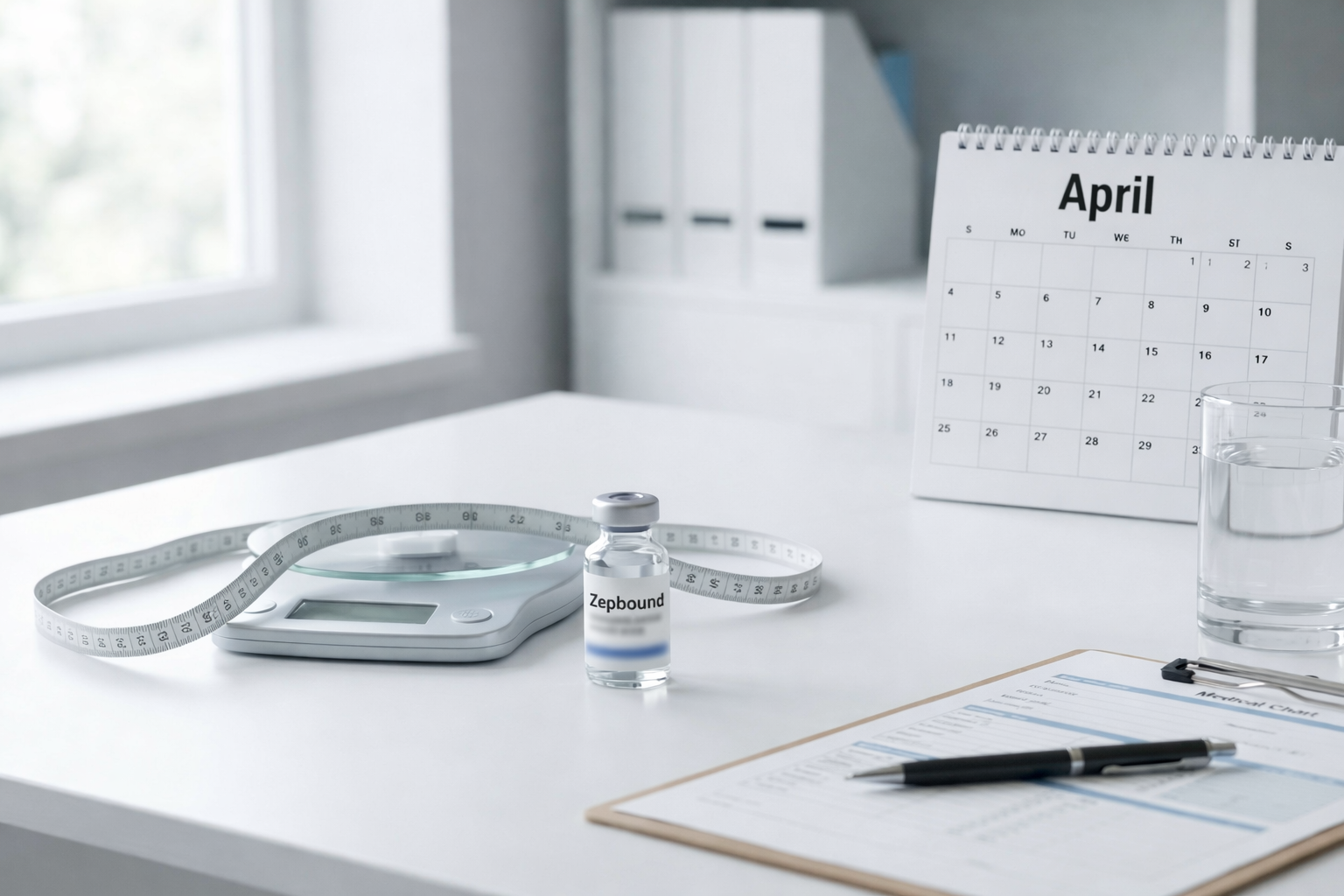
Weight loss on Zepbound follows a predictable pattern tied to the dosing schedule. The medication starts at a low dose and increases over time, which directly affects how quickly the pounds come off.
Month 1: Adjusting to the Starting Dose
The first month typically produces modest results. Most people lose about 3 to 6 pounds during this period**.** The starting dose of 2.5mg focuses on helping the body adjust rather than maximizing weight loss. During this phase, people often notice:
This month is about building a foundation. The body needs time to respond to the medication before moving to higher doses.
Months 2 and 3: Escalating Dosage and Increasing Results
Weeks five through twelve bring more dramatic changes. The dose typically increases to 5mg in month two and may reach 7.5mg by month three. Each increase amplifies the appetite-suppressing effects. Most people see their weight loss accelerate during this period, losing an additional 5 to 10 pounds across months two and three. The total three-month loss often reaches 8 to 16 pounds, though individual results vary significantly.
Factors That Influence Your 90-Day Progress
Not everyone loses the same amount of weight on Zepbound. Several factors determine where someone falls on the results spectrum.
Starting Weight and Metabolic Health
People with higher starting weights often lose more pounds in absolute terms. Someone starting at 300 pounds might lose 20 pounds, while someone at 200 pounds might lose 10. Both represent similar percentage losses. Metabolic health also matters. Those with insulin resistance or prediabetes sometimes respond particularly well to tirzepatide because of its effects on blood sugar regulation.
Dietary Habits and Caloric Deficit
The medication reduces appetite, but food choices still matter. People who use their decreased hunger to make better food choices see better results than those who continue eating calorie-dense foods in smaller amounts. Key dietary strategies include:
Prioritizing protein at every meal
Choosing fiber-rich vegetables and whole grains
Limiting processed foods and added sugars
Drinking plenty of water throughout the day
Doctronic.ai can help people create eating plans that complement their medication.
Physical Activity and Resistance Training
Exercise amplifies weight loss results and helps preserve muscle mass. Resistance training proves especially important because rapid weight loss can lead to muscle loss without it. Even moderate activity makes a difference. Walking 30 minutes daily, taking stairs, or adding two strength training sessions per week can boost three-month results by several pounds.
Managing Side Effects to Stay on Track
Side effects can derail progress if not handled properly. Understanding what to expect and how to respond keeps people on their medication consistently.
Common Gastrointestinal Issues
Most Zepbound users experience some stomach-related side effects, especially during the first weeks at each new dose. These include:
Nausea, particularly after eating
Reduced appetite beyond what feels comfortable
Diarrhea or constipation
Abdominal discomfort or bloating
These effects usually decrease within two to three weeks as the body adjusts. Severe or persistent symptoms require medical attention.
Tips for Minimizing Nausea and Fatigue
Simple strategies help manage the most common complaints. Eating smaller, more frequent meals reduces nausea. Avoiding fatty or greasy foods also helps since these take longer to digest. Staying hydrated becomes critical, especially for those experiencing diarrhea. Fatigue often improves by ensuring adequate protein intake and getting enough sleep. Some people find that taking their injection in the evening reduces daytime side effects.
Maximizing Long-Term Success Beyond the First 12 Weeks
The three-month mark represents just the beginning. Clinical evidence shows that most people continue losing weight for up to 18 to 24 months on Zepbound before reaching a plateau. Building sustainable habits during the first three months sets the stage for long-term success. Those who view the medication as a tool to support lifestyle changes rather than a magic solution achieve the best outcomes. Tracking progress helps maintain motivation. Weighing weekly, taking measurements, and noting how clothes fit provides a complete picture beyond the scale number. Celebrating non-scale victories like increased energy or better sleep reinforces positive changes.
Frequently Asked Questions
Ten pounds represents a solid result, especially for someone with a lower starting weight. The percentage of body weight lost matters more than absolute pounds. Losing 10 pounds when starting at 180 pounds equals about 5.5%, which falls within the expected clinical trial range.
Several factors can slow progress. Missing doses, not adjusting diet despite reduced appetite, sedentary lifestyle, or certain medical conditions, can all limit results. Some people also metabolize the medication differently.
Absolutely. Weight fluctuates based on water retention, hormones, and other factors. Some weeks show no change or even small gains, followed by larger drops. Looking at monthly trends provides a more accurate picture than weekly weigh-ins.
Most doctors recommend staying on the medication for at least the third month before evaluating effectiveness. The dose increases over time, and many people see their best results after reaching higher doses.
The Bottom Line
Most people lose about 8 to 16 pounds during their first three months on Zepbound, with results improving as doses increase. Success depends on combining the medication with healthy eating and regular physical activity. For personalized guidance about weight loss medications and whether Zepbound might be right for a specific situation, Doctronic.ai offers AI-assisted telehealth consultations and appointments with licensed clinicians available nationwide.
When most people think of preeclampsia, they immediately associate it with dangerously high blood pressure during pregnancy. However, a lesser-known but equally serious [...]
Panic attacks represent some of the most frightening experiences a person can endure, striking suddenly with overwhelming physical and psychological symptoms. These intense [...]
When sleepless nights become a regular occurrence, over-the-counter sleep aids offer an accessible first line of defense against insomnia. Nearly one-third of adults [...]


 Realistic Weight Loss Milestones for the First 3 Months