

How Long Does It Take for Zepbound to Suppress Appetite?
Understanding Zepbound and the Timeline for Appetite SuppressionStarting a new weight-loss medication raises a central question: when will it actually work? For those [...]
Read More
Medically reviewed by Alan Lucks | MD, Alan Lucks MDPC Private Practice - New York on February 24th, 2026.
Zepbound may begin suppressing appetite within the first few days after the first injection, with drug levels typically reaching steady state after 4 to 5 weeks of weekly dosing
Most people notice meaningful appetite changes within the first two to four weeks of treatment
The medication works by mimicking natural hunger hormones called GIP and GLP-1
Individual responses vary based on metabolism, dosage, and lifestyle factors
Clinical trials showed participants lost on average about 20.9% of their body weight at the highest dose (15 mg) over 72 weeks
Starting a new weight-loss medication raises a central question: when will it actually work? For those prescribed Zepbound, understanding the timeline for appetite suppression helps set realistic expectations and prevents early discouragement. The active ingredient tirzepatide operates differently from older weight-loss drugs, targeting multiple pathways in the body to reduce hunger signals. Zepbound does not reach peak plasma levels until approximately 8 to 72 hours after injection, and it may take several weeks of consistent use before full effects on appetite are observed. This gradual onset is expected and reflects the medication’s weekly dosing schedule and titration process.
Tirzepatide activates two hormone receptors: GIP and GLP-1. These hormones naturally occur in the gut and regulate appetite, digestion, and insulin release. By mimicking their effects, Zepbound tells the brain that the body is satisfied, even when eating smaller portions. The dual-action approach makes tirzepatide more effective than medications targeting only one pathway. This mechanism also slows gastric emptying, meaning food stays in the stomach longer. The result is prolonged fullness after meals.
Most patients report some appetite changes within the first week. The full appetite-suppressing effect builds over the first four to eight weeks as dosages increase through the titration schedule. Doctors note that Zepbound begins to suppress appetite and control blood sugar almost immediately, but significant weight loss occurs gradually. Patience during the initial weeks pays off as the body adjusts.
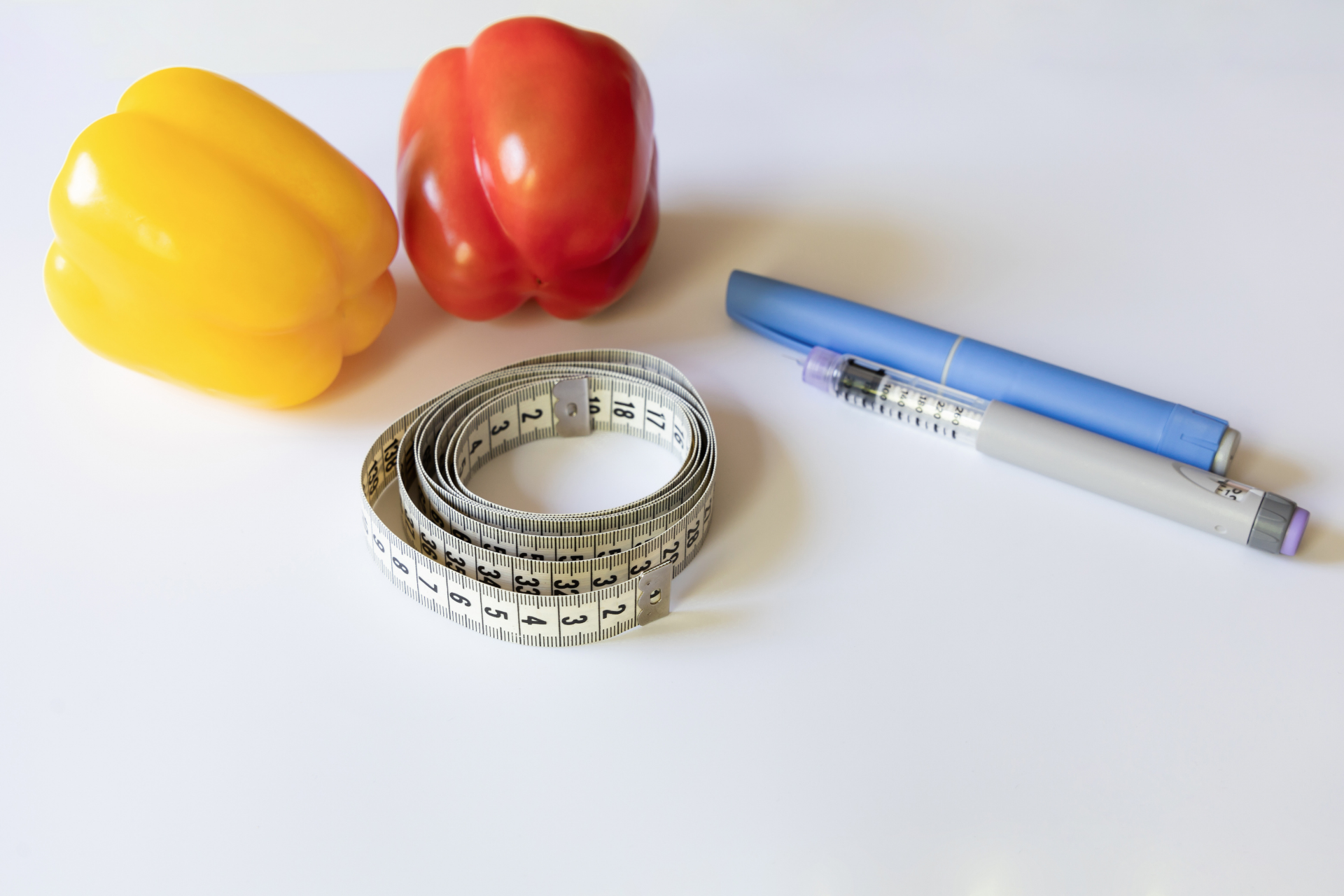 Factors Influencing How Quickly You Feel Full
Not everyone experiences appetite suppression at the same rate. Several factors determine how quickly Zepbound takes effect for each person.
Zepbound starts at 2.5 mg weekly, the lowest dose. This allows the body to adjust and minimizes side effects. Doctors increase the dose every four weeks until reaching the target amount, which can be as high as 15 mg. Lower doses provide some appetite suppression, but the full effect often requires higher doses. Rushing through titration increases side effects without improving results. Doctronic.ai can help patients understand their titration schedule and what to expect at each stage.
Body composition, baseline metabolism, and hormonal status all influence how quickly tirzepatide works. People with insulin resistance may notice blood sugar improvements before appetite changes. Those with higher starting weights sometimes need higher doses to achieve the same appetite suppression as lighter individuals. Genetics also play a role in how the body processes the medication. These differences explain why two people on the same dose can have very different experiences.
Recognizing the signs of appetite suppression helps patients stay motivated during treatment. The changes can be subtle at first.
Food noise refers to the constant mental chatter about eating: thinking about the next meal, craving snacks, or feeling unable to stop thinking about food. Many Zepbound users describe this noise quieting down within the first few weeks. The obsessive thoughts about food fade, making it easier to focus on other activities. This mental shift often occurs before noticeable weight loss begins.
Feeling full faster is the most obvious sign that Zepbound is working. A meal that previously felt like a normal portion now feels too large. Some people find they can only eat half of what they used to consume. This earlier satiety results from both the brain signals and the delayed stomach emptying. Paying attention to these cues helps patients adjust portion sizes naturally.
The first month on Zepbound can feel uncertain. Understanding what is normal prevents unnecessary worry.
Some people notice appetite suppression within days. Others wait several weeks before feeling different. This variation is normal and does not predict long-term success. The starting dose is intentionally low, so minimal effects at 2.5 mg are expected. Clinical trials showed participants lost up to 20.9% of their body weight at the highest dose over 72 weeks, indicating that consistent use and titration are key for results.
Nausea and reduced appetite can feel similar but are different experiences. True appetite suppression feels like natural satisfaction with less food. Nausea feels uncomfortable and may cause food aversion rather than genuine fullness. Side effects like nausea, diarrhea, and constipation typically improve as the body adjusts. If side effects persist, consulting a healthcare provider through services like Doctronic.ai can help determine whether dose adjustments are needed.
Getting the most from Zepbound requires more than just taking the weekly injection. Lifestyle choices enhance the medication's effects.
Protein-rich foods work well with Zepbound because they naturally promote satiety. Eating protein first during meals maximizes fullness signals. Fiber from vegetables and whole grains adds bulk without excess calories. Avoiding highly processed foods prevents triggering old eating patterns. Staying hydrated also helps, as thirst sometimes masquerades as hunger.
Taking Zepbound on the same day each week maintains steady drug levels. Missing doses or irregular timing reduces effectiveness. Most people choose a day that fits their schedule and stick with it. The injection can be given at any time of day, with or without food. Consistency matters more than the specific day or time chosen.
Most patients see meaningful appetite suppression within four to six weeks. If eight weeks pass with no noticeable changes, a conversation with a healthcare provider is warranted. Possible reasons include inadequate dosing, medication interactions, or underlying conditions affecting response. Doctors may recommend continuing the titration schedule or investigating other factors. Doctronic.ai offers convenient telehealth visits for patients wanting to discuss their progress with a physician.
Severe side effects also require medical attention. Persistent vomiting, severe abdominal pain, or signs of pancreatitis need immediate evaluation. These symptoms are rare but serious.
Many patients begin to notice some appetite reduction within the first few days to a week, though the full effect typically develops over several weeks as the medication accumulates and the dose is increased.
Yes, higher doses generally provide stronger appetite suppression. The titration process gradually increases the dose to find the most effective amount while minimizing side effects.
No, the titration schedule exists for safety reasons. Skipping to higher doses increases side effects without improving outcomes. Following the prescribed schedule produces the best results.
Nausea without appetite suppression sometimes occurs at lower doses. This often resolves as the body adjusts or as doses increase. Discuss persistent issues with your doctor.
The appetite suppression continues while taking the medication. Stopping Zepbound typically results in appetite returning to previous levels. Long-term use may be necessary to maintain results.
Zepbound typically begins reducing appetite within days to weeks, with stronger and more consistent effects developing over the first one to two months as doses increase. Results vary, but patience and consistency are key. For personalized guidance, dose questions, or progress check-ins, Doctronic.ai makes it easy to connect with a licensed healthcare provider.
Understanding Zepbound and the Timeline for Appetite SuppressionStarting a new weight-loss medication raises a central question: when will it actually work? For those [...]
Read More