Most symptomatic disc herniations occur in the lumbar spine, which accounts for the vast majority of cases involving nerve compression.
Symptoms depend on location: cervical herniations affect the neck, shoulders, and arms, while lumbar herniations cause lower back pain with radiation into the buttocks and legs (sciatica pattern).
Key neurologic signs include radiating pain, numbness, tingling, and weakness, especially when symptoms persist beyond a few days or worsen over time.
Red flag symptoms require emergency evaluation, particularly loss of bowel or bladder control or severe/progressive neurologic deficits.
Early clinical evaluation and appropriate imaging help guide treatment and reduce the risk of long-term nerve injury.
When Your Back Is Trying to Tell You Something
A sharp pain shoots down your leg every time you stand up. Your fingers feel numb for no apparent reason. These are the kinds of herniated disc symptoms you should not ignore, and understanding them could save you from months of unnecessary suffering. The tricky part is that many people dismiss early warning signs as simple muscle strain or sleeping in a bad position. This delay often allows the condition to worsen. Knowing what to look for gives you the power to seek help before a minor problem becomes a major one. Doctronic.ai can help you assess your symptoms quickly and determine whether a doctor visit is needed.
Understanding Herniated Discs and Nerve Compression
The Anatomy of a Spinal Disc
Your spine contains 23 intervertebral discs that act as shock absorbers between vertebrae. Each disc has a tough outer layer called the annulus fibrosus and a soft, gel-like center called the nucleus pulposus. Think of it like a jelly donut: the outer shell keeps the filling contained. When healthy, these discs allow you to bend, twist, and move freely without bone grinding against bone.
How Herniation Triggers Pain
A herniation occurs when the soft inner material pushes through a tear in the outer layer. This bulging material can press directly on nearby spinal nerves, triggering pain signals that travel along the nerve pathway. The location of the herniation determines which nerves get compressed and where you feel symptoms. Lumbar herniations in the lower back account for approximately 95% of symptomatic cases, which explains why leg pain is such a common complaint.
Common Physical Signs of a Herniated Disc
Localized Back or Neck Pain
The most obvious symptom is pain right at the site of the herniation. This pain often feels deep and aching rather than sharp. It typically worsens with certain movements like bending forward or sitting for long periods. Many people notice the pain is worse in the morning and improves somewhat with gentle movement throughout the day.
Sciatica and Radiating Leg Pain
Sciatica refers to pain that travels along the sciatic nerve from your lower back down through your buttocks and into your leg. This radiating pain can feel like an electric shock or a burning sensation. It often affects only one side of the body. Coughing, sneezing, or straining can intensify the pain dramatically.
Numbness and Tingling Sensations
Nerve compression frequently causes numbness or a pins-and-needles sensation. You might notice these feelings in your feet, toes, hands, or fingers, depending on which nerve is affected. Some people describe it as their limb "falling asleep" but without the ability to shake it off. Doctronic.ai can help you track these symptoms over time and identify patterns that might be significant.
Muscle Weakness and Mobility Issues
When nerves cannot properly communicate with muscles, weakness develops. You might notice difficulty lifting your foot while walking, a condition called foot drop. Grip strength may decrease, or you might stumble unexpectedly. These symptoms indicate the nerve compression is affecting motor function, not just sensation.
Symptoms Based on Location: Cervical vs. Lumbar
Upper Body Symptoms (Cervical Spine)
Cervical disc herniations in the neck create a distinct symptom pattern. Pain typically radiates from the neck into the shoulder, arm, and sometimes the hand. You might experience headaches at the base of your skull. Turning your head to one side may intensify the pain. Some people notice weakness when gripping objects or difficulty with fine motor tasks like buttoning a shirt.
Lower Body Symptoms (Lumbar Spine)
Lumbar herniations typically cause symptoms below the waist. The classic presentation includes lower back pain with sciatica shooting down one leg. Pain often worsens when sitting and improves when lying down. You might have trouble standing up straight or walking for extended periods. The specific pattern of leg symptoms helps doctors identify which disc is affected.
Red Flags: When to Seek Immediate Medical Attention
Cauda Equina Syndrome Awareness
Cauda equina syndrome is a medical emergency that occurs when the bundle of nerves at the base of the spine becomes severely compressed. This condition can cause permanent paralysis if not treated within hours. If you have radiating pain, numbness, or weakness that lasts more than a few days, see your doctor promptly. Early treatment can prevent progression and improve recovery.
Loss of Bladder or Bowel Control
Sudden inability to control urination or bowel movements signals severe nerve damage. This symptom requires immediate emergency room evaluation. Do not wait to see if it improves on its own. Time matters critically with this symptom.
Saddle Anesthesia and Progressive Numbness
Saddle anesthesia refers to numbness in the areas that would touch a saddle: inner thighs, buttocks, and groin. Combined with progressive weakness in both legs, this pattern suggests cauda equina syndrome. Any rapidly worsening numbness that spreads to new areas warrants urgent medical evaluation.
Diagnostic Methods and Next Steps
Physical Examinations and Nerve Tests
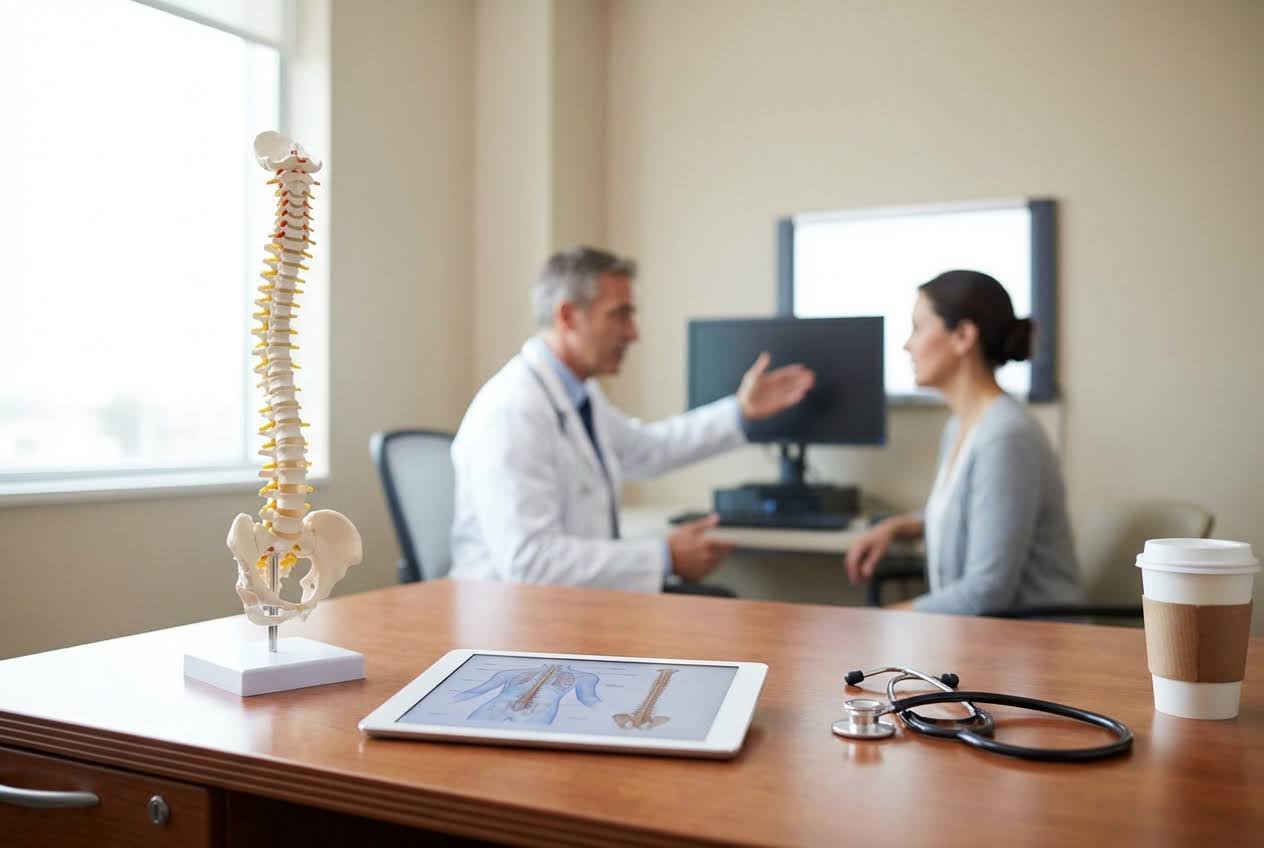
Doctors use specific physical tests to identify herniated discs. The straight leg raise test involves lifting your leg while lying flat, which stretches the sciatic nerve and reproduces pain if compression exists. Reflex testing reveals nerve function changes. Muscle strength assessments identify which nerve roots are affected. These simple office tests often provide enough information to guide initial treatment.
Imaging: MRI and CT Scans
MRI scans provide the most detailed view of disc herniations and nerve compression. They show soft tissue clearly without radiation exposure. CT scans provide excellent bone detail and may be used when an MRI is unavailable or inappropriate. Imaging confirms the diagnosis and helps plan treatment, whether conservative care or surgery. For those experiencing concerning symptoms, Doctronic offers AI-assisted symptom assessments that can guide you toward appropriate next steps or a medical consultation.
Frequently Asked Questions
Most herniated disc symptoms improve within 3 months with conservative treatment. About 80–90% of patients experience significant relief without surgery. Persistent symptoms beyond three months may require additional intervention.
Yes, many herniated discs improve without surgery. The body can reabsorb the herniated material over time. Physical therapy, anti-inflammatory medications, and activity modification support natural healing.
Avoid heavy lifting, prolonged sitting, and high-impact activities. Bending forward while twisting puts maximum stress on discs. Swimming and walking are generally safe and beneficial.
Surgery becomes an option when conservative treatment fails after six to twelve weeks, or when neurological symptoms like weakness progress. Cauda equina syndrome requires emergency surgery.
The Bottom Line
Herniated disc symptoms range from manageable back pain to serious neurological emergencies. Recognizing warning signs early and seeking appropriate care can prevent permanent nerve damage and speed recovery. When symptoms concern you, start with Doctronic for quick, reliable guidance on your next steps.
Understanding Emotional Wellness Through DBTEmotions feel overwhelming when they seem to control every decision. Dialectical Behavior Therapy offers practical techniques for [...]
Getting Skin Care Without the Insurance HeadachesThat suspicious mole has been bothering you for weeks. You want answers from a dermatologist, but a quick call to your [...]
Why Ankles Swell After Physical ActivityFinishing a workout with puffy, tight ankles can be alarming. Most people assume something is wrong, but bloated ankles after exercise [...]
Join 50,000+ readers using Doctronic to understand symptoms, medications, and next steps.
Only one more step.
Add your phone number below to get health updates and exclusive VIP offers.
By providing your phone number, you agree to receive SMS updates from Company. Message and data rates may apply. Reply “STOP” to opt-out anytime. Read our Privacy Policy and Terms of Service for more details.
Thanks for subscribing
Save your consults. Talk with licensed doctors and manage your health history.



 Diagnostic Methods and Next Steps