

7 Common and Serious Side Effects of Airsupra
Meta Description: Learn about the 7 common and serious side effects of Airsupra and how to manage risks like oral thrush or heart issues through proper inhaler [...]
Read MoreHeat therapy works by increasing blood flow, relaxing muscles, and blocking pain signals to the brain
Electric heating pads offer consistent temperature control, while microwavable options provide portable relief
Apply heat for 15-20 minutes at a time, with breaks between sessions to prevent skin damage
Avoid heat therapy on acute injuries, open wounds, or areas with poor circulation
Combining heat with gentle stretching and cold therapy can maximize pain relief results
Back pain affects nearly everyone at some point. Research shows that around 70–80% of adults experience low back pain during their lifetime. The good news? Heating pads for back pain relief remain one of the most effective, affordable, and accessible treatments available. Unlike medications that mask symptoms, heat therapy targets the root causes of muscle tension and stiffness. This simple approach has helped millions find comfort without side effects or expensive treatments.
Whether dealing with chronic aches or occasional soreness from sitting too long, understanding how to use heat properly makes all the difference. Doctronic.ai offers AI-assisted symptom guidance and virtual clinician support tools that can help determine if heat therapy is right for specific back pain situations. The right knowledge transforms a basic heating pad into a powerful tool for lasting relief.
Heat therapy, called thermotherapy, triggers several healing responses in the body. When warmth reaches muscle tissue, blood vessels expand and relax. This process, known as vasodilation, allows more oxygen and nutrients to reach damaged or tense areas. Muscles that have been tight for hours or days finally get the resources they need to recover.
According to Karen Erickson, DC, an ACA media spokesperson, heating pads increase tissue temperature, leading to pain relief and muscle relaxation. This isn't just about feeling warm and cozy: real physiological changes happen at the cellular level.
Poor circulation often makes back pain worse. Muscles stuck in spasm don't receive enough blood to heal properly. Heat breaks this cycle by forcing blood vessels to open wider. Fresh blood carries oxygen, glucose, and proteins that repair microscopic muscle damage.
James E. Gamrat, PT, DPT, Director of Physical Therapy at the Spine & Health Center of New Jersey, explains that heat therapy increases localized blood flow, reduces muscle guarding, and decreases joint stiffness. The increased circulation also flushes out metabolic waste products that build up in tense muscles.
Heat activates sensory receptors in the skin that compete with pain signals. These warmth receptors essentially "crowd out" pain messages traveling to the brain. The result is immediate relief that feels almost magical but follows basic neuroscience principles.
Studies confirm this effect. Clinical trials have shown that continuous low-level heat wrap therapy can provide significantly greater pain relief than placebo within the first day of use, with measurable improvement in mobility and comfort. That's a notable benefit from a simple, drug-free intervention.
Electric heating pads plug into wall outlets and maintain steady temperatures for extended periods. They offer precise temperature control and don't require reheating. The downside: cords limit movement, and they need electricity to function.
Microwavable pads contain rice, flax seeds, or gel that holds heat after warming. They're portable and work anywhere. The trade-off is that they cool down after 20-30 minutes and need reheating. For quick relief at home, electric wins. For travel or office use, microwavable pads make more sense.
Infrared heating pads penetrate deeper into muscle tissue than traditional surface heat. They use light waves to warm muscles up to about 1.5 inches (3–4 cm) below the skin. This makes them ideal for deep-seated chronic pain that surface heat can't reach.
These pads cost more but often deliver better results for serious back problems. People with disc issues or deep muscle strain typically notice the difference immediately.
Moist heat penetrates tissue faster and more effectively than dry heat. Wet towels placed over heating pads or specialized moist heat pads work well for stubborn muscle knots. The moisture helps conduct heat deeper into tissue layers.
Dry heat works fine for general aches and maintenance. It's more convenient since nothing needs to be dampened. For severe pain episodes, moist heat usually provides faster relief.
Apply heat for 15-20 minutes at a time. Longer sessions don't provide extra benefit and increase burn risk. Wait at least one hour between applications to let skin recover.
For chronic back pain, using heat 2-3 times daily often works best. Morning sessions help loosen overnight stiffness. Evening applications relax muscles before sleep. Users can consult Doctronic.ai for personalized guidance on treatment frequency based on their specific condition.
Lower back pain responds best to pads placed directly over the lumbar spine. Position the pad horizontally across the small of the back. For upper back tension, place heat between the shoulder blades where muscles commonly knot up.
Wrap-around heating pads stay in place better than flat pads. They allow movement while maintaining contact with painful areas. This matters for people who can't lie still for 20 minutes.
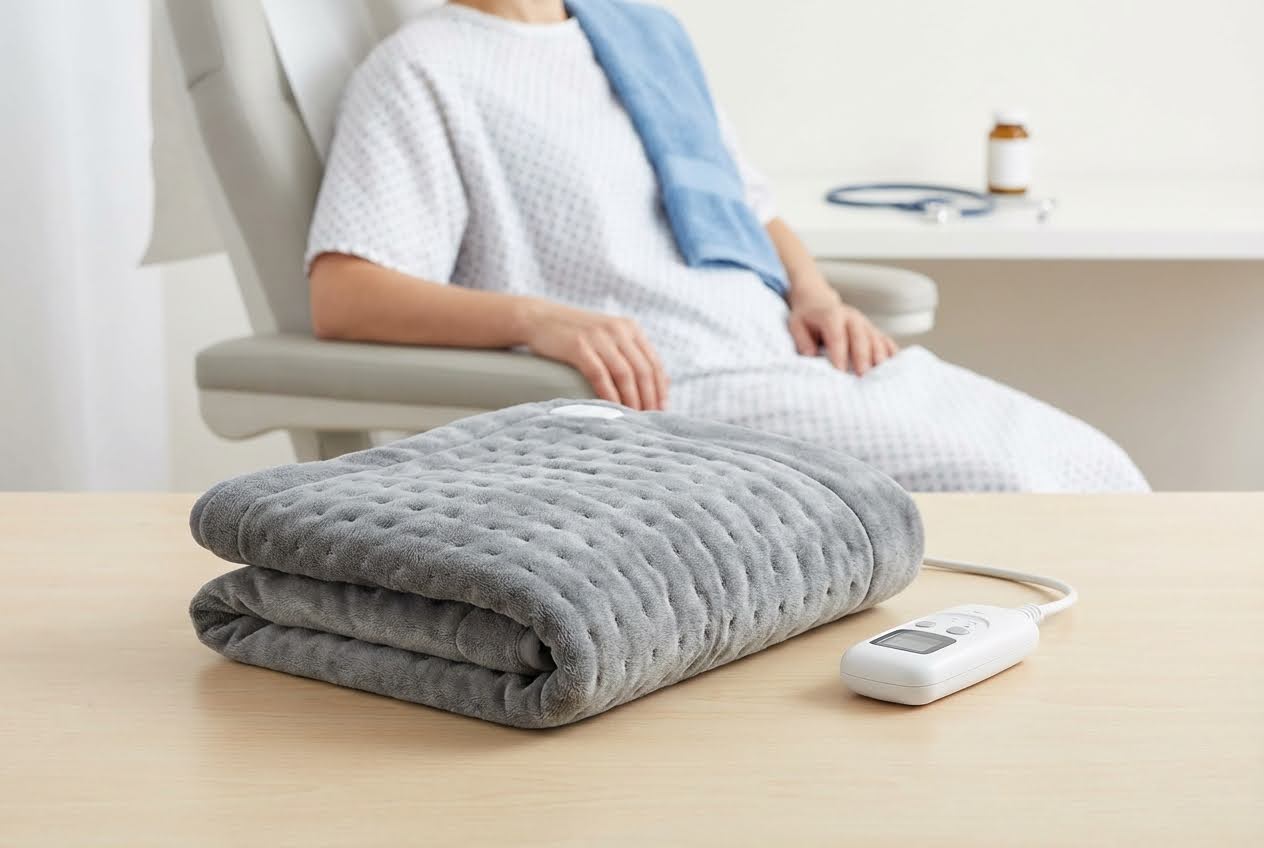 Safety Precautions and Risk Prevention
Always use a cloth barrier between the heating pad and bare skin. Even "low" settings can cause burns during extended contact. Check skin every 5 minutes for redness or discomfort.
Never fall asleep on a heating pad. This causes most heating pad burns reported to emergency rooms. Set a timer as a backup reminder to remove the pad.
People with diabetes or nerve damage need extra caution. Reduced sensation means they might not feel burns developing. Lower temperatures and shorter sessions reduce risk for these individuals.
Skip heat therapy for acute injuries less than 24–48 hours old. Fresh injuries involve inflammation, and heat makes swelling worse. Use ice for new injuries, then switch to heat after the initial inflammation passes.
Avoid heat over open wounds, infected areas, or skin conditions like eczema. Don't use heating pads over areas with poor circulation or on numb skin. Pregnant women should consult their healthcare provider before applying heat to the abdomen or lower back.
Contrast therapy alternates between heat and cold for enhanced pain relief. Start with 10 minutes of heat, then apply cold for 5 minutes, and repeat. This pumping action moves blood and fluids through damaged tissue more effectively than either treatment alone.
Use this approach for stubborn pain that doesn't respond to heat alone. The combination often breaks through plateaus in recovery.
Heat makes muscles more pliable and easier to stretch. Take advantage of this window by doing gentle stretches immediately after removing the heating pad. Focus on the areas that were heated.
Simple movements like knee-to-chest stretches, cat-cow poses, and gentle twists extend the benefits of heat therapy. The combination of warmth and stretching often provides longer-lasting relief than either approach alone. Doctronic.ai can recommend specific stretches based on individual pain patterns and mobility levels.
Use heating pads for 15-20 minutes per session. Longer applications don't provide additional benefit and increase the risk of skin burns. Wait at least one hour between sessions.
No. Sleeping with a heating pad is dangerous and causes most heating pad burns. Always set a timer and remove the pad before sleeping.
Moist heat penetrates tissue faster and often provides quicker relief for severe pain. Dry heat works well for general aches and daily maintenance.
Use ice for acute injuries less than 24–48 hours old. Ice reduces inflammation and swelling from fresh injuries. Switch to heat after the initial inflammation phase passes.
Yes. Regular heat therapy helps manage chronic back pain by improving blood flow, relaxing muscles, and reducing stiffness. Many people find relief using heat 2-3 times daily.
For deep-seated chronic pain, infrared pads often deliver better results because they penetrate approximately 1.5 inches (3–4 cm) into muscle tissue. For surface-level aches, traditional pads work fine.
Heating pads for back pain relief offer safe, effective, drug-free treatment that most people can use at home. Choosing the right pad type, following proper timing guidelines, and combining heat with stretching delivers the best results. For personalized guidance on managing back pain, visit Doctronic.ai for AI-supported health insights and virtual clinician resources available 24/7.
Meta Description: Learn about the 7 common and serious side effects of Airsupra and how to manage risks like oral thrush or heart issues through proper inhaler [...]
Read MoreMeta Description: Learn about 8 budesonide interactions and what to avoid when you’re taking budesonide, including grapefruit and common drugs, to ensure your treatment is [...]
Read MoreMeta Description: Learn about these 7 Xolair interactions and what to avoid when you’re taking Xolair to safely manage your asthma, chronic hives, or nasal polyp [...]
Read More