Diseases and Conditions
Omeprazole Side Effects Timeline: Week by Week Guide
May 17, 2026
5 min read

Medically reviewed by Oghenefejiro Okifo | MD, Harvard Medical School | Henry Ford Hospital - Detroit, MI on April 26th, 2026.
Published on April 6th, 2026. Updated on July 23rd, 2026.
Facial eczema affects millions of Americans and requires special care because the skin on the face is thinner and more sensitive than other body areas.
Common triggers include skincare products, environmental allergens, stress, and certain foods.
Sun exposure has a complicated relationship with eczema: controlled UV light can help, but heat and sweating often make symptoms worse.
Choosing mineral-based sunscreens with zinc oxide or titanium dioxide protects skin without causing irritation.
A consistent, gentle skincare routine combined with barrier-repair moisturizers forms the foundation of long-term management.
Doctronic.ai offers 24/7 AI-powered medical guidance and telehealth visits for personalized eczema care.
Questions about facial eczema?
Free. Anonymous. Built by doctors.
Talk to our AI doctor for a clear, personalized read on your situation.
Red, itchy patches on the face create more than physical discomfort. They affect confidence, daily routines, and quality of life in ways that eczema on hidden body parts simply does not.
As of 2025, approximately 31 million people in the U.S. are estimated to have some form of eczema, and when those symptoms appear on the face, the challenges multiply. Facial skin reacts differently to treatments, triggers, and environmental factors.
Two main types of eczema commonly affect the face. Atopic dermatitis runs in families and often appears alongside allergies or asthma. It causes dry, scaly patches that can weep or crust over during flare-ups.
Contact dermatitis happens when the skin touches something irritating or allergenic. On the face, this often means reactions to makeup, skincare products, or fragrances.
The skin on the face is thinner than skin elsewhere on the body. It contains more blood vessels and nerve endings, making it more reactive to irritants. The face also lacks the protective fat layer that cushions skin on arms and legs.
This means products and treatments that work well on other body parts may be too harsh for facial use.
Many popular skincare ingredients cause problems for eczema-prone skin:
Fragrances top the list of common irritants, even those labeled "natural."
Alcohol-based toners, retinoids, and alpha hydroxy acids can strip the skin barrier.
Makeup with preservatives like methylisothiazolinone frequently causes contact reactions.
Reading ingredient labels becomes essential for anyone managing facial eczema.
Pollen, dust mites, and pet dander trigger facial eczema in many people. Cold, dry winter air strips moisture from the skin, while hot, humid conditions cause sweating that irritates already sensitive areas.
Indoor heating and air conditioning both reduce humidity levels, creating challenging environments for facial skin. Identifying personal triggers often requires keeping a symptom diary.
Stress hormones like cortisol increase inflammation throughout the body, including the skin. Many people notice flare-ups during stressful periods at work or home.
Certain foods may also play a role. Dairy, eggs, nuts, and wheat are common dietary triggers, though reactions vary widely between people. Elimination diets supervised by healthcare providers can help identify food-related triggers.
Sunlight helps the body produce vitamin D, which supports skin barrier function and immune regulation. Controlled UV light therapy, called phototherapy, is an established treatment for moderate to severe eczema.
Brief, supervised sun exposure may improve symptoms for some people. The key word is "controlled." Unprotected, prolonged sun exposure creates more problems than it solves.
Heat and sweating rank among the most common eczema triggers. When body temperature rises, sweat irritates already compromised skin. Some eczema medications also increase sun sensitivity, making skin more likely to burn.
About 10% of U.S. adults have been diagnosed with eczema or dermatitis, and many struggle with the summer months when heat and humidity peak. Staying cool and managing sweat becomes crucial during warm weather.
Chemical sunscreens containing oxybenzone and avobenzone often irritate sensitive facial skin. Mineral sunscreens with zinc oxide or titanium dioxide sit on top of the skin rather than absorbing into it, making them gentler options.
Look for products labeled "fragrance-free" rather than "unscented," as unscented products may contain masking fragrances. Testing new sunscreens on a small area before full facial application prevents widespread reactions.
Doctors often prescribe mild topical corticosteroids for facial eczema flares. These medications reduce inflammation quickly but require careful use because facial skin absorbs them more readily. Long-term steroid use on the face can cause skin thinning.
Calcineurin inhibitors like tacrolimus and pimecrolimus offer steroid-free alternatives for long-term facial use. Doctronic.ai provides AI-powered guidance on medication options and can connect users with doctors for prescriptions when needed.
The skin barrier in eczema patients does not function properly. It loses moisture too quickly and allows irritants to penetrate too easily.
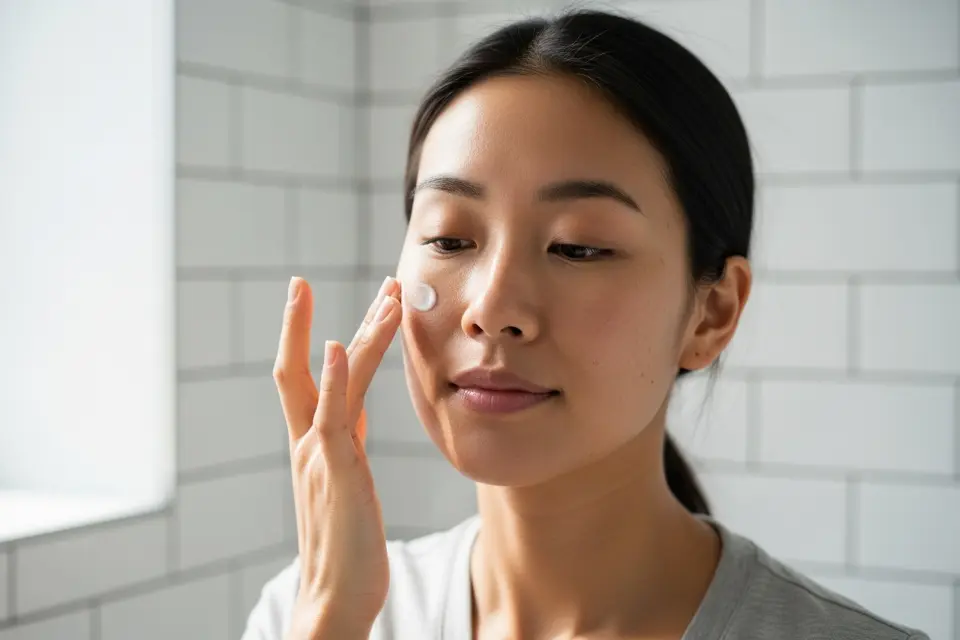
Barrier repair moisturizers contain ceramides, fatty acids, and cholesterol that mimic the skin's natural protective layer. Applying these products within three minutes of washing locks in moisture. Thick creams and ointments work better than lotions for severely dry skin.
Colloidal oatmeal soothes irritated skin and helps restore the skin barrier. Virgin sunflower seed oil and shea butter have also been shown to improve barrier function and hydration, though some people react to natural oils.
Gentle, fragrance-free cleansers with a pH close to skin's natural level (around 5.5) clean without stripping. Avoiding hot water and limiting face washing to twice daily prevents over-drying. Patients exploring additional soothing options can find guidance on essential oils that help eczema.
Consistency matters more than complexity. A simple routine using the same gentle products daily gives skin stability:
Wash with lukewarm water and a fragrance-free cleanser.
Apply prescribed medication if needed.
Follow immediately with moisturizer.
Keeping products in the same location and following the same order builds habits that protect skin long-term. Switching products frequently, even to try "better" options, often backfires.
Facial eczema that does not respond to over-the-counter treatments within two weeks needs professional evaluation. Signs of infection (increased redness, warmth, pus, or fever) require immediate medical attention.
Doctronic.ai offers convenient telehealth appointments with licensed physicians available 24/7, making expert care accessible when symptoms worsen.
Eczema itself is not contagious and does not spread from person to person. Symptoms can appear on different body areas over time, especially if triggers are not identified and managed.
With proper care, mild flares may resolve within a week or two. Severe flares or those without treatment can persist for months. Consistent management reduces both frequency and duration.
No. Rosacea typically causes redness, visible blood vessels, and sometimes small bumps, primarily on the nose and cheeks. Eczema causes dry, itchy, scaly patches. A dermatologist can distinguish between them.
Mineral-based makeup with minimal ingredients is generally safer than liquid foundations with many additives. Applying moisturizer first creates a protective layer. During active flares, giving skin a break from makeup often helps healing.
Facial eczema requires a thoughtful approach that addresses triggers, protects the skin barrier, and manages sun exposure carefully. With the right routine and professional guidance when needed, clear and comfortable skin is achievable.
For personalized support managing facial eczema symptoms, visit Doctronic.ai to access AI-powered medical advice or schedule a telehealth visit with a licensed doctor.
Explore treatment options
Chat Now