
Does Nexplanon Stop Periods? Understanding Menstrual Changes with Birth Control Implant

Medically reviewed by Alan Lucks | MD, Alan Lucks MDPC Private Practice - New York on February 7th, 2026.
Published on January 25th, 2026. Updated on September 11th, 2026.
Key takeaways
Nexplanon can cause complete absence of periods for some women
Menstrual changes vary widely among individual users
Most users experience irregular bleeding during the first year
Continuous hormone release impacts menstrual patterns
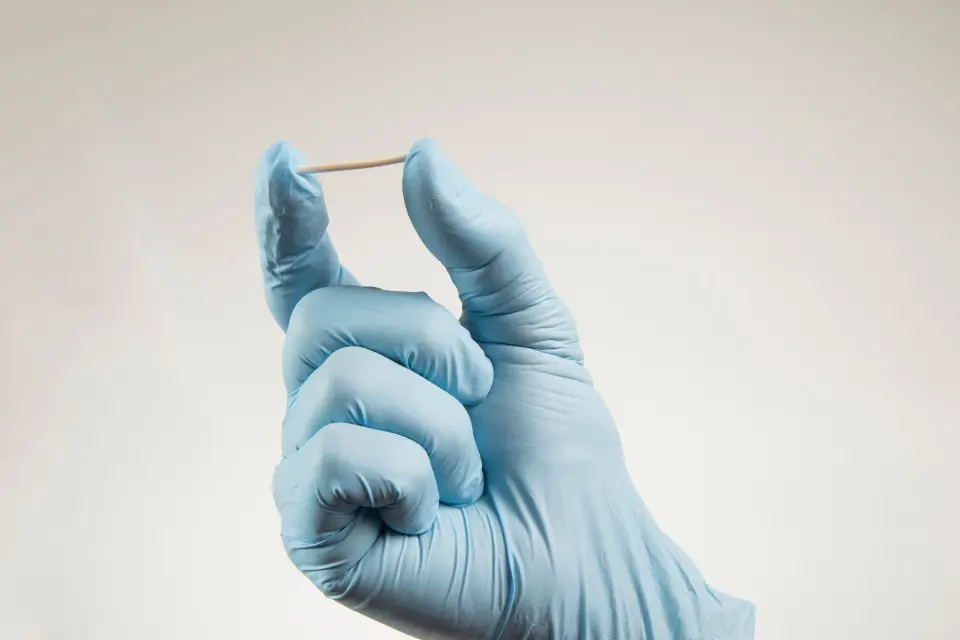
Nexplanon represents a modern approach to long-term birth control, offering women a reliable contraceptive method with potentially significant changes to their menstrual cycle. This small subdermal implant provides up to five years of pregnancy prevention while dramatically altering how the body manages reproductive hormones. Women considering this birth control option often have questions about how it might affect their irregular periods.
The implant works by continuously releasing etonogestrel, a synthetic progestin that prevents ovulation and thins the uterine lining. This consistent hormone approach means that menstrual experiences can differ dramatically from traditional birth control methods. Some women may find their periods become lighter, less frequent, or disappear entirely, while others might experience more unpredictable bleeding patterns.
Understanding Hormonal Impact
Nexplanon's hormone mechanism fundamentally changes how the reproductive system functions. By maintaining steady hormone levels, the implant prevents the typical rise and fall of estrogen and progesterone that characterize natural menstrual cycles. This consistent hormonal environment means that birth control during pregnancy and its effects can vary significantly between individuals.
Typical Menstrual Patterns
Clinical research reveals several common bleeding patterns among Nexplanon users:
Bleeding Pattern |
Percentage of Users |
Characteristics |
|---|---|---|
Complete Amenorrhea |
25% |
No periods at all |
Infrequent Bleeding |
40% |
Periods every 2-3 months |
Irregular Spotting |
25% |
Frequent light bleeding |
Regular Light Periods |
10% |
Consistent but lighter cycles |
Adjustment Period Insights
The first year with Nexplanon typically involves the most significant menstrual changes. During initial months, many women experience irregular spotting as their body adapts to the new hormonal environment. Some users might find their bleeding patterns stabilize around the six-month mark, while others continue to experience variability.
Monitoring Your Health
While irregular bleeding is normal, certain situations require medical attention. Finding a reliable online gynecologist can help you navigate any concerns about your menstrual changes. Watch for warning signs such as:
Bleeding lasting more than eight consecutive days
Extremely heavy flow requiring hourly pad changes
Severe cramping or pain
Bleeding accompanied by fever
Frequently Asked Questions
Most women see stabilization within 6-12 months after insertion.
Approximately 25% of users experience complete amenorrhea.
Most irregular bleeding with Nexplanon is normal, but consult a healthcare provider if concerned.
Weight changes vary, but some users report minor weight fluctuations.
Yes, a healthcare provider can remove the implant at any time.
The Bottom Line
Understanding menstrual changes with Nexplanon requires patience and individual perspective. Every woman's experience is unique, and what works for one might differ for another. Care you can trust. Doctronic is clinically validated with 99% treatment plan alignment.
Related articles
Get women's health advice
Chat Now