
What Happens If You Take Birth Control During Pregnancy

Medically reviewed by Alan Lucks | MD, Alan Lucks MDPC Private Practice - New York on December 8th, 2025.
Published on December 8th, 2025. Updated on July 23rd, 2026.
Key takeaways
Taking birth control during pregnancy is generally not recommended, but usually does not harm the developing fetus.
Most hormonal contraceptives are designed to prevent pregnancy and are not effective once pregnancy occurs.
Understanding the risks and what to do if you accidentally take birth control while pregnant is important for your health and peace of mind.
Consulting with a healthcare provider or using telehealth services like Doctronic.ai can provide personalized guidance quickly.
Stopping birth control immediately upon discovering pregnancy is advised to avoid unnecessary hormone exposure.
Understanding Birth Control and Pregnancy
Birth control pills and other hormonal contraceptives are designed to prevent pregnancy by regulating hormones that control ovulation and the uterine lining. However, if pregnancy occurs despite taking birth control, it means the contraceptive method did not work as intended. This can happen for various reasons, including missed pills or interactions with other medications. It's crucial for individuals using birth control to understand the importance of consistent usage and to consult healthcare providers about any potential drug interactions that may compromise the effectiveness of their chosen method.
Once pregnancy is established, continuing birth control pills does not serve any purpose in maintaining or supporting the pregnancy. It is important to understand what happens if birth control is taken during pregnancy and how it might affect both the mother and the developing fetus. Some studies have suggested that exposure to hormonal contraceptives during early pregnancy may not significantly increase the risk of birth defects, but the full implications remain a topic of ongoing research. Therefore, women who find themselves in this situation should seek medical advice to discuss their specific circumstances and any necessary steps moving forward.
How Birth Control Pills Work
Most birth control pills contain synthetic hormones like estrogen and progestin. These hormones prevent ovulation, thicken cervical mucus to block sperm, and thin the uterine lining to prevent implantation. When pregnancy occurs, the body’s natural hormone levels change to support fetal growth, making the contraceptive hormones unnecessary and ineffective. The timing of ovulation and the menstrual cycle can vary significantly among individuals, which is why some may experience breakthrough ovulation even while on the pill. Understanding one's body and its rhythms can be a valuable tool in family planning and reproductive health.
Why Birth Control Pills Are Not Used During Pregnancy
Birth control pills are not prescribed during pregnancy because they do not provide any benefits to the pregnancy and may expose the fetus to unnecessary hormones. Medical guidelines recommend stopping birth control as soon as pregnancy is confirmed to avoid any potential risks. The concern is not only about the hormones but also about the psychological and emotional aspects of pregnancy. Women may need support and guidance as they transition from a contraceptive mindset to one focused on prenatal care. It’s essential for expectant mothers to engage with healthcare providers to ensure they receive the appropriate care and information tailored to their new circumstances, including prenatal vitamins and lifestyle adjustments that promote a healthy pregnancy.
Potential Effects of Taking Birth Control During Pregnancy
Many people worry about the impact of birth control pills if taken during early pregnancy. The good news is that most studies have not found a clear link between accidental birth control use in early pregnancy and birth defects or miscarriage.
Risks to the Fetus
Research shows that exposure to hormonal contraceptives during early pregnancy is unlikely to cause significant harm. However, because these hormones are not meant to be part of a developing fetus’s environment, caution is advised. The risk of major birth defects or developmental problems is considered low but not zero.
Risks to the Mother
For the pregnant person, continuing birth control pills unnecessarily may increase the risk of side effects such as nausea, headaches, or blood clots. Stopping the pills reduces these risks and allows the body’s natural pregnancy hormones to take over.
What to Do If You Took Birth Control During Pregnancy
If you discover you are pregnant and have been taking birth control, the first step is not to panic. Many women have found themselves in this situation and have had healthy pregnancies and babies.
Stop Taking Birth Control Immediately
Once pregnancy is confirmed, discontinue the use of birth control pills or any hormonal contraceptives. This helps avoid unnecessary hormone exposure and potential side effects.
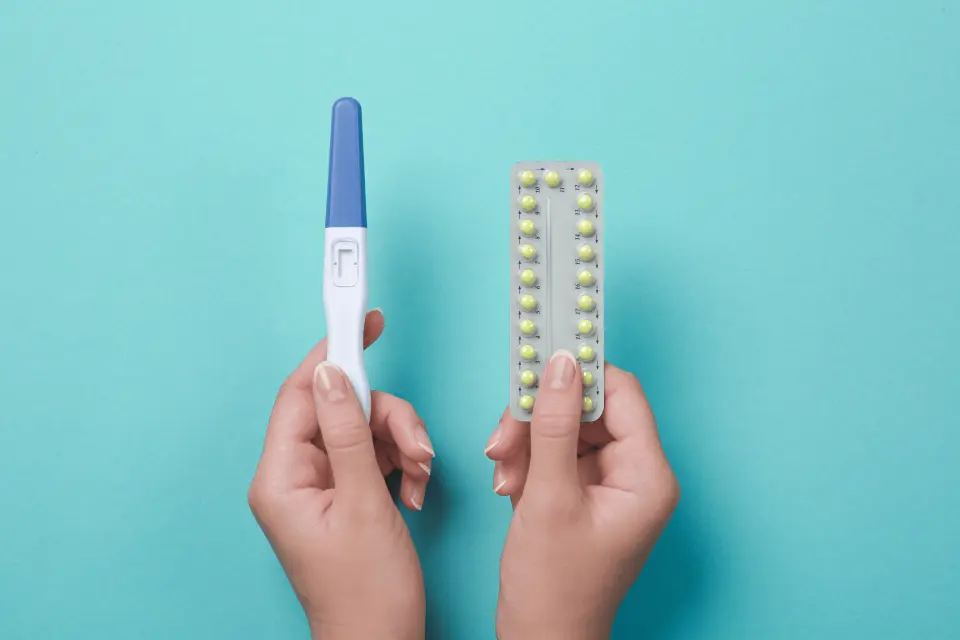 Consult a Healthcare Provider
It is important to speak with a healthcare professional to discuss your specific situation. They can provide reassurance, answer questions, and guide you through prenatal care. If you want quick and convenient access to expert advice, telehealth services like Doctronic.ai offer video visits with licensed doctors 24/7, making it easy to get personalized medical support from home.
Follow Prenatal Care Guidelines
After stopping birth control, focus on maintaining a healthy pregnancy by following standard prenatal care recommendations. This includes taking prenatal vitamins, avoiding harmful substances, and attending regular check-ups.
Common Questions About Birth Control and Pregnancy
Can Birth Control Pills Cause Miscarriage?
There is no strong evidence that birth control pills cause miscarriage if taken before knowing you are pregnant. However, they are not intended to be used during pregnancy, so stopping them is advised.
Is It Safe to Take Birth Control Pills If You Are Trying to Get Pregnant?
Birth control pills should be stopped when trying to conceive. They prevent ovulation, so continuing to take them will delay pregnancy.
What If I Took Birth Control Pills for Several Weeks Before Knowing I Was Pregnant?
Most studies suggest that accidental use of birth control pills during early pregnancy does not increase the risk of birth defects. Still, it is important to inform your healthcare provider to monitor your pregnancy appropriately.
How Can Telehealth Help If I Have Concerns About Birth Control and Pregnancy?
Telehealth platforms like Doctronic.ai provide fast, affordable access to medical advice from licensed doctors. You can discuss your concerns, get answers to your questions, and receive personalized recommendations without leaving your home.
Taking Control of Your Health with AI-Powered Telehealth
When it comes to questions about birth control and pregnancy, reliable information and quick access to medical advice are essential. Doctronic.ai offers an AI-powered doctor that combines the latest peer-reviewed medical research with personalized care. This platform provides free AI doctor visits and affordable video consultations with licensed physicians across all 50 states.
Doctronic.ai stands out by remembering your medical history and offering comprehensive answers in seconds. Whether you want a second opinion or need guidance on managing your reproductive health, this service ensures you get quality care anytime you need it.
Benefits of Using Doctronic.ai
Immediate answers to health questions based on the latest medical research
Convenient telehealth video visits with real doctors for under $40
Accessible 24/7 from anywhere in the United States
Personalized care that remembers your history and preferences
What You Should Remember About Birth Control and Pregnancy
Accidentally taking birth control during pregnancy is a common concern, but usually does not cause harm. The best course of action is to stop the medication as soon as pregnancy is confirmed and consult a healthcare provider for personalized advice.
Using telehealth services like Doctronic.ai can make this process easier and less stressful, providing expert guidance when you need it most. Prioritizing your health and the health of your baby starts with informed decisions and access to trusted medical care.
Frequently Asked Questions
Most research indicates that taking birth control pills before knowing you are pregnant does not increase the risk of birth defects or miscarriage. However, it is important to stop taking them once pregnancy is confirmed.
No, you should stop taking birth control immediately after confirming pregnancy to avoid unnecessary hormone exposure.
It is best to consult a healthcare provider as soon as possible to begin prenatal care and discuss any concerns. Telehealth services like Doctronic.ai can provide quick access to doctors for advice and support.
Yes, telehealth platforms such as Doctronic.ai offer safe, confidential, and convenient access to licensed medical professionals who can answer pregnancy-related questions and provide guidance.
There are many contraceptive options, including IUDs, implants, condoms, and natural family planning methods. A healthcare provider can help determine the best choice for your needs.
References
Related articles


How to Calm an Anxiety Attack: Techniques That Work in the Moment


Melasma vs. Hyperpigmentation: Key Differences and Treatment Approaches

Sun Allergy: Why Your Skin Reacts to UV and How to Manage It

Poison Ivy Rash Stages: What to Expect from Day 1 to Full Healing

Can Allergies Make You Feel Sick? Spring Allergy Symptoms That Mimic Illness


Supplements for Depression: What the Evidence Says About Natural Options

Plantar Fasciitis Treatment: A Runner's Guide to Getting Back on Your Feet

Poison Ivy Rash Treatment: Home Remedies vs. Medical Care
Get women's health advice
Chat Now