
Does Minoxidil (Rogaine) Actually Work?

Medically reviewed by Alan Lucks | MD, Alan Lucks MDPC Private Practice - New York on January 3rd, 2026.
Published on January 2nd, 2026. Updated on July 23rd, 2026.
Key takeaways
Minoxidil is a widely used topical treatment for hair loss, approved by the FDA for androgenetic alopecia.
It can stimulate hair growth and slow hair loss, but results vary depending on individual factors.
Consistent use over several months is essential to see benefits, and stopping treatment often leads to a reversal of gains.
Side effects are generally mild but can include scalp irritation and unwanted hair growth in other areas.
Consulting with a healthcare professional through telehealth services like Doctronic.ai can help determine if minoxidil is right for you and monitor your progress safely.
Understanding Minoxidil and How It Works
Minoxidil, commonly known by the brand name Rogaine, is one of the most popular treatments for hair loss available over the counter. Originally developed as a medication to treat high blood pressure, it was discovered to have the side effect of promoting hair growth. Today, it is FDA-approved for treating androgenetic alopecia, which is the most common form of hair loss in both men and women.
The exact way minoxidil works is not fully understood, but it is believed to widen blood vessels in the scalp, improving blood flow to hair follicles. This increased circulation may help revitalize shrunken follicles, prolong the growth phase of hair, and stimulate new hair growth. Minoxidil is a topical medication, typically applied twice daily to the scalp in either liquid or foam form.
Who Can Benefit from Minoxidil?
Minoxidil is most effective for people experiencing early to moderate hair thinning or loss, especially on the crown of the head. It tends to work best when hair follicles are still alive but weakened. It is less effective in cases of complete baldness or scarring alopecia, where follicles are permanently damaged.
Both men and women can use minoxidil, though the concentrations differ. Men typically use a 5% solution, while women are often recommended a 2% or 5% concentration, depending on tolerance and medical advice. It is crucial for users to manage their expectations, as results can take several months to become noticeable, and consistent application is key to maintaining any benefits gained from the treatment.
In addition to its primary use for androgenetic alopecia, minoxidil has also been explored for other types of hair loss, such as alopecia areata, a condition characterized by sudden hair loss in patches. Some studies suggest that while minoxidil may not be a guaranteed solution for all forms of hair loss, its ability to stimulate hair regrowth makes it a valuable option for many individuals seeking to restore their hair. The ease of use and accessibility of minoxidil over the counter have contributed to its widespread popularity, allowing countless people to take proactive steps in managing their hair loss without the need for prescription medications or invasive procedures.
How Effective Is Minoxidil for Hair Regrowth?
Scientific Evidence and Results
Clinical studies have shown that minoxidil can help slow hair loss and promote regrowth in a significant number of users. Research indicates that about 40 to 60 percent of men and women see some degree of hair regrowth after consistent use for four to six months. The new hair is often finer and lighter in color initially, but can thicken over time.
It is important to note that minoxidil does not work overnight. Visible improvement typically requires patience and ongoing application. If treatment is stopped, any hair gained usually falls out within several months, returning the scalp to its previous state.
Factors Influencing Effectiveness
Duration of hair loss: The sooner treatment starts after noticing thinning, the better the chances of success.
Consistency: Applying minoxidil twice daily without missing doses is crucial for maintaining results.
Scalp condition: A healthy scalp free of irritation or infection supports better absorption and effectiveness.
Individual response: Genetics and underlying health conditions can affect how well minoxidil works.
 Using Minoxidil Safely and Effectively
Application Tips
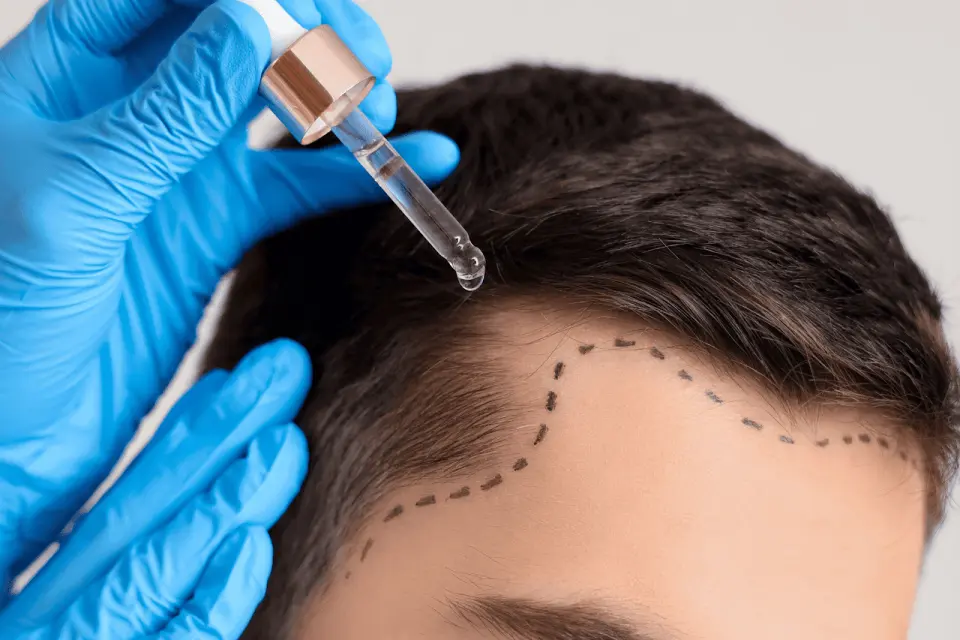
Proper application of minoxidil is key to maximizing its benefits. Here are some guidelines:
Apply to a clean, dry scalp twice daily, usually morning and night.
Use the recommended amount, typically 1 ml per application.
Avoid washing your hair or scalp immediately after applying to allow absorption.
Wash your hands thoroughly after applying to prevent unwanted hair growth on other areas.
Possible Side Effects
Most users tolerate minoxidil well, but some may experience mild side effects such as:
Scalp irritation, redness, or itching
Dryness or flaking of the scalp
Unwanted facial or body hair if the medication spreads beyond the scalp
Rarely, dizziness or rapid heartbeat (more common with oral minoxidil, which is prescribed in some cases)
If side effects persist or worsen, it is important to consult a healthcare provider. Telehealth platforms like Doctronic.ai offer convenient access to medical professionals who can provide personalized advice and alternative treatment options.
Alternatives and Complementary Treatments for Hair Loss
Other FDA-Approved Options
Besides minoxidil, finasteride is another FDA-approved medication for male pattern baldness. It works by blocking the hormone responsible for follicle shrinkage. Finasteride is typically prescribed by a doctor and is not suitable for women of childbearing age.
Lifestyle and Supportive Measures
Improving overall scalp health and managing factors that contribute to hair loss can complement minoxidil treatment. Consider these tips:
Maintain a balanced diet rich in vitamins and minerals essential for hair growth, such as biotin, zinc, and iron.
Reduce stress through exercise, meditation, or hobbies, as stress can worsen hair loss.
Avoid harsh hair treatments and styles that pull on the scalp.
Use gentle shampoos and conditioners formulated for thinning hair.
Get Minoxidil online today
A licensed doctor can review your symptoms and, if appropriate, send a prescription for Minoxidil to your pharmacy, often the same day.
- $39 video visit
- Insurance accepted
- 4.8 on Trustpilot
Related medications we prescribe
Learn moreGetting Personalized Care for Hair Loss
Hair loss can be frustrating and impact confidence. Understanding the right treatment options and how to use them effectively makes a big difference. Since hair loss causes and treatments vary, consulting a healthcare provider is recommended before starting any regimen.
Telehealth services like Doctronic.ai provide an easy way to connect with licensed doctors who specialize in hair and scalp health. You can discuss your symptoms, get a diagnosis, and receive tailored treatment plans without leaving your home. This approach is especially helpful for those who want expert guidance on using minoxidil safely or exploring other options.
Making the Most of Your Hair Loss Treatment Journey
Minoxidil offers a practical, accessible option for many people dealing with hair thinning and loss. While it is not a cure-all, its proven ability to stimulate hair growth and slow loss makes it a valuable tool. Patience and consistent use are essential to see benefits.
For personalized advice, monitoring, and access to affordable telehealth consultations, consider visiting Doctronic.ai. Their AI-powered platform combines the latest medical knowledge with real doctors available 24/7, helping you navigate your hair health with confidence and care.
Frequently Asked Questions
Most people notice some improvement after four to six months of consistent use. Full results may take up to a year.
Yes, minoxidil is FDA-approved for women, usually in lower concentrations. Women should consult a healthcare provider to choose the right formulation.
Hair regrowth gained from minoxidil usually falls out within a few months after stopping treatment, and hair loss may resume.
Serious side effects are rare with topical minoxidil. If you experience chest pain, dizziness, or swelling, seek medical attention immediately.
Minoxidil can often be used alongside other treatments, but it’s best to discuss this with a healthcare provider to avoid interactions.
The Bottom Line
Minoxidil (Rogaine) does work for many people with early to moderate hair loss when used consistently, but results vary and require long-term commitment. Getting personalized guidance and progress monitoring through Doctronic.ai can help you use it safely and decide if it’s the right option for you.
Related articles

Get hair loss advice
Chat Now