Cervical spine pain affects approximately 300 million people globally as of 2025 and stems from mechanical strain, degenerative conditions, or traumatic injuries
Red flag symptoms like progressive weakness, numbness in the arms, or loss of bladder control require immediate medical attention
Non-surgical treatments, including physical therapy, ergonomic adjustments, and injections, resolve most cases effectively
Surgical options exist for chronic conditions that fail conservative treatment
Early diagnosis through proper imaging and examination leads to better outcomes
Anatomy and Function of the Cervical Spine
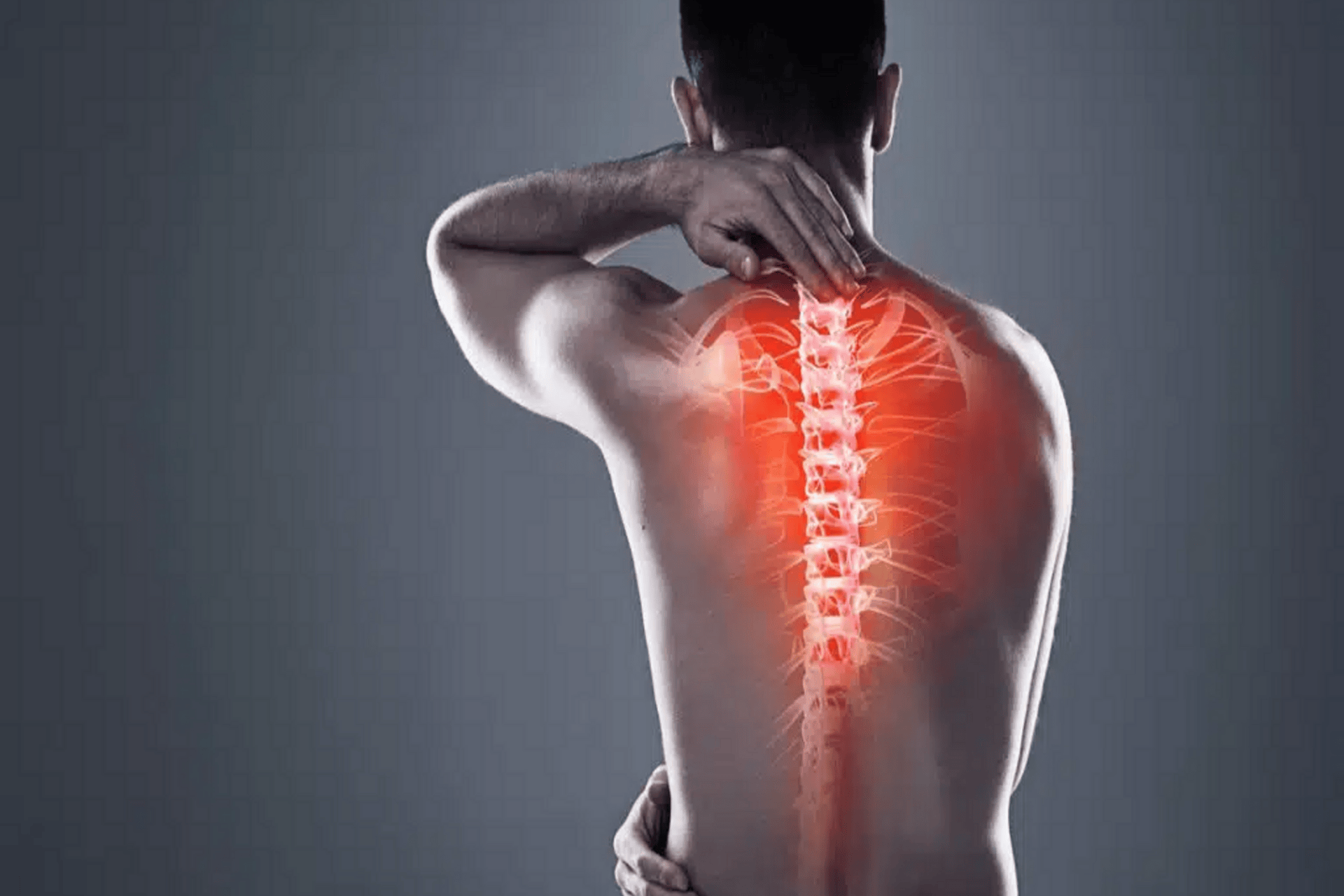
The neck contains seven small vertebrae that support the head's full weight while allowing remarkable movement. This region handles more motion than any other spinal segment, making it vulnerable to injury and wear. Understanding cervical spine pain causes and treatment options starts with knowing how this complex structure works.
Structure of the Vertebrae and Discs
Each cervical vertebra stacks atop the next, separated by cushioning discs that absorb shock and allow flexibility. These discs contain a gel-like center surrounded by tough outer fibers. The vertebrae form a protective canal for the spinal cord, while small openings on each side create pathways for nerves. Facet joints connect neighboring vertebrae and enable smooth movement.
The Role of Nerves and Supporting Muscles
Eight cervical nerve roots branch from the spinal cord, controlling sensation and movement in the shoulders, arms, and hands. Surrounding muscles stabilize the spine and coordinate head movement. When any component becomes irritated or compressed, pain signals travel through this nerve network.
Common Causes of Neck and Upper Back Pain
In 2025, approximately 300 million cases of neck pain were reported globally, making this one of the most common musculoskeletal complaints. Several distinct factors contribute to cervical discomfort.
Mechanical Strain and Poor Posture
Hours spent hunching over phones and computers create forward head posture that strains neck muscles. For every inch the head moves forward, the cervical spine bears an additional ten pounds of force. Sleeping in awkward positions or using improper pillows compounds this stress. The global cervical pillows market was valued at USD 5.3 billion in 2025, reflecting widespread recognition of this problem.
Degenerative Conditions and Aging
Discs lose water content and height over time, reducing their cushioning ability. Bone spurs develop as the body attempts to stabilize weakened segments. Arthritis affects facet joints, causing stiffness and inflammation. These changes typically begin after age 40 and progress gradually.
Traumatic Injuries and Whiplash
Car accidents, falls, and sports collisions force the neck through rapid acceleration and deceleration. This whiplash motion stretches ligaments and strains muscles beyond normal limits. Symptoms may not appear for 24-48 hours after injury.
Herniated Discs and Nerve Compression
When disc material pushes through its outer layer, it can press against nearby nerve roots. This compression causes pain that radiates into the shoulder, arm, or hand. Numbness and tingling often accompany the discomfort.
Identifying Symptoms and Red Flags
Not all neck pain requires urgent attention, but certain warning signs demand immediate evaluation. Doctronic.ai helps users identify concerning symptoms and determine when professional care is needed.
Localized vs. Radicular Pain
Localized pain stays in the neck and upper back region. Radicular pain travels along nerve pathways into the arms or hands. Radicular symptoms suggest nerve involvement and typically require more thorough investigation than isolated muscle soreness.
Neurological Indicators and Weakness
Progressive arm weakness, difficulty gripping objects, or changes in coordination signal potential nerve damage. Loss of bladder or bowel control represents a medical emergency requiring immediate attention. Balance problems or difficulty walking also warrant urgent evaluation.
Diagnostic Procedures and Imaging
Accurate diagnosis guides effective treatment. A systematic approach combines hands-on examination with appropriate imaging studies.
Physical Examination and Range of Motion
Clinicians assess neck movement in all directions, noting limitations or pain reproduction. Strength testing evaluates specific muscle groups controlled by each nerve root. Reflex testing and sensory examination help localize the problem area.
X-rays, MRI, and CT Scans
X-rays reveal bone alignment, fractures, and arthritic changes. MRI provides detailed images of soft tissues, including discs, nerves, and the spinal cord. CT scans offer superior bone detail when surgical planning requires precise measurements. Doctronic can help patients understand what these imaging results mean and suggest appropriate next steps.
Non-Surgical Treatment and Management
Most cervical spine problems respond well to conservative care. Surgery becomes necessary only when these approaches fail or neurological symptoms progress.
Physical Therapy and Ergonomic Adjustments
Targeted exercises strengthen supporting muscles and improve posture. Stretching restores flexibility to tight structures. Workstation modifications reduce daily strain on the neck. Proper pillow selection and sleeping positions prevent overnight aggravation.
Pharmacological Interventions
Over-the-counter anti-inflammatory medications reduce pain and swelling. Muscle relaxants help break spasm cycles that perpetuate discomfort. Short courses of oral steroids decrease inflammation around irritated nerves. Prescription options exist for cases requiring stronger intervention.
Epidural Steroid Injections and Nerve Blocks
Image-guided injections deliver anti-inflammatory medication directly to problem areas. Epidural injections target the space around the spinal cord and nerve roots. Selective nerve blocks isolate specific nerves for both diagnostic and therapeutic purposes. Many patients experience significant relief lasting weeks to months.
Surgical Options for Chronic Conditions
When conservative treatment fails after adequate trial periods, surgical intervention offers reliable outcomes for appropriate candidates.
Anterior Cervical Discectomy and Fusion (ACDF)
Surgeons access the spine through a small incision in the front of the neck. The damaged disc is removed completely, decompressing the affected nerve root. A bone graft or cage fills the disc space, and the adjacent vertebrae eventually fuse together. This procedure has decades of proven success.
Artificial Disc Replacement
Rather than fusing vertebrae, artificial discs maintain motion at the treated level. This approach, approved by the U.S. FDA for multiple cervical levels since 2024, may reduce stress on adjacent segments. Patient selection criteria determine candidacy for disc replacement versus fusion.
Preventative Strategies and Long-Term Wellness
Prevention costs less than treatment in both monetary and discomfort terms. Simple daily habits protect the cervical spine from unnecessary wear. Regular movement breaks during desk work prevent sustained postural stress. Strengthening exercises targeting neck and upper back muscles build resilience. Proper lifting techniques protect the entire spine. Maintaining a healthy weight reduces overall musculoskeletal strain. Adequate hydration supports disc health and tissue recovery.
Frequently Asked Questions
Nerve compression from herniated discs or bone spurs irritates nerve roots that supply the arms and hands. The brain interprets these signals as pain originating from the areas those nerves serve, creating radiating symptoms.
Most physicians recommend six to sixteen weeks of appropriate conservative care before discussing surgical options. Exceptions include progressive neurological deficits or severe nerve compression requiring urgent decompression.
Sustained poor posture accelerates degenerative changes and can lead to structural problems over time. Correcting posture habits early prevents many long-term complications.
Neck pain accompanied by arm weakness, loss of coordination, difficulty walking, or changes in bladder or bowel function requires immediate evaluation. Severe trauma also warrants emergency assessment.
Properly fitted cervical pillows maintain neutral spine alignment during sleep and reduce morning stiffness for many users. Individual preferences and sleeping positions influence which pillow design works best.
The Bottom Line
Cervical spine pain stems from various causes, ranging from simple muscle strain to complex nerve compression. Early evaluation and appropriate treatment prevent most cases from becoming chronic problems. For questions about symptoms or treatment options, Doctronic.ai offers AI-guided symptom assessments and telehealth consultations that provide personalized guidance based on the latest medical research.
Understanding Emotional Wellness Through DBTEmotions feel overwhelming when they seem to control every decision. Dialectical Behavior Therapy offers practical techniques for [...]
Getting Skin Care Without the Insurance HeadachesThat suspicious mole has been bothering you for weeks. You want answers from a dermatologist, but a quick call to your [...]
Why Ankles Swell After Physical ActivityFinishing a workout with puffy, tight ankles can be alarming. Most people assume something is wrong, but bloated ankles after exercise [...]


 Diagnostic Procedures and Imaging