About ~30% of adults experience low back pain each year, while up to 20% deal with constipation annually
Underlying conditions like IBS, endometriosis, and IBD often cause both symptoms simultaneously
Red flags requiring immediate medical attention include fever, unexplained weight loss, and numbness in the legs
Simple lifestyle changes like increased fiber, hydration, and targeted exercises can relieve both issues
Understanding the Gut–Back Connection for Relief
Stomach troubles and back discomfort often show up together, leaving many people wondering: Can constipation cause back pain? The short answer is yes. When stool builds up in the intestines, it creates pressure that radiates to the lower back. About 30% of adults experience low back pain each year, and around 20% experience constipation annually. These numbers overlap more than most people realize. Understanding the connection between gut health and spinal comfort helps people find real relief instead of treating symptoms in isolation. Doctronic.ai offers AI-powered consultations that can help identify whether digestive issues might be contributing to back discomfort.
The Physiological Link Between the Gut and the Spine
The colon sits directly in front of the lower spine. This close proximity means problems in one area quickly affect the other. The large intestine wraps around the abdominal cavity in a shape that places significant portions near the lumbar vertebrae.
Pressure from Fecal Impaction
When stool accumulates and hardens in the colon, it creates mechanical pressure against surrounding structures. Severe constipation can cause the colon to expand significantly, pushing against the muscles and nerves near the spine. This direct pressure creates a dull, persistent ache in the lower back that worsens as constipation continues. The rectum sits particularly close to the sacrum, so impaction in this area often produces noticeable sacral pain.
Referred Pain Pathways
The nervous system sometimes interprets signals from internal organs as coming from nearby body parts. This phenomenon, called referred pain, explains why constipation can cause back pain even without direct pressure. The same nerve pathways serve both the intestines and the lower back muscles. When the gut sends distress signals, the brain may perceive them as back pain instead.
Common Symptoms and Pain Patterns
People experiencing both constipation and back pain often describe specific patterns that help identify the connection. Recognizing these patterns makes it easier to address the root cause rather than just masking symptoms.
Identifying Dull Aches vs. Sharp Pains
Constipation-related back pain typically presents as a dull, constant ache in the lower back. The discomfort often intensifies after meals or when lying down. Sharp, shooting pains usually indicate a different problem, such as a herniated disc or muscle strain. If back pain improves noticeably after a bowel movement, constipation is likely contributing to the discomfort. Doctronic.ai can help users track symptom patterns and determine whether their back pain correlates with digestive issues.
Bloating and Abdominal Distension
Bloating accompanies constipation frequently and adds another layer of back discomfort. A distended abdomen changes posture and puts extra strain on lower back muscles. People may unconsciously lean backward to compensate for abdominal fullness, creating muscle tension. Gas buildup also causes cramping that radiates to the back.
Underlying Conditions That Cause Both Issues
As a Nurse Practitioner, CNP, notes, "While constipation may cause back pain, it's more common for chronic conditions to cause both symptoms." Several health conditions affect both the digestive system and the spine simultaneously.
Irritable Bowel Syndrome (IBS)
IBS causes constipation, diarrhea, or both, along with frequent abdominal pain. Many IBS patients report chronic lower back pain as a secondary symptom. The condition involves hypersensitivity of the gut nerves, which can amplify pain signals throughout the pelvic region.
Endometriosis and Pelvic Health
Endometriosis affects millions of women and causes tissue similar to the uterine lining to grow outside the uterus. This tissue can attach to the bowel, causing constipation, and to structures near the spine, causing back pain. The condition often goes undiagnosed for years because symptoms seem unrelated.
Inflammatory Bowel Disease (IBD)
Crohn's disease and ulcerative colitis cause intestinal inflammation that leads to constipation or diarrhea. IBD also triggers systemic inflammation that can affect the spine and joints. Many IBD patients develop a form of arthritis that primarily targets the lower back.
When Back Pain and Constipation Require Medical Attention
Most cases of constipation-related back pain resolve with simple home treatments. Certain warning signs indicate that something more serious requires immediate evaluation.
Red Flags: Fever, Weight Loss, and Numbness
Seek medical care immediately if back pain and constipation occur alongside fever, unexplained weight loss, blood in stool, or loss of bladder control. Numbness or tingling in the legs, groin, or buttocks also warrants urgent attention. These symptoms may indicate infection, cancer, or nerve compression that needs prompt treatment.
Understanding Cauda Equina Syndrome
Cauda equina syndrome occurs when the nerve roots at the base of the spine become severely compressed. This rare but serious condition causes bowel and bladder dysfunction, which may include constipation or incontinence, and lower back pain. Without emergency surgery, permanent paralysis can result. Anyone experiencing a sudden onset of these combined symptoms should go to an emergency room immediately.
Strategies for Relief and Prevention
Addressing both constipation and back pain often requires a combined approach. Simple lifestyle modifications frequently provide significant relief within days.
Dietary Adjustments and Hydration
Fiber intake should reach 22–34 grams daily for most adults. Good sources include beans, whole grains, fruits, and vegetables. Drinking about 2–3 liters of water daily keeps stool soft and easier to pass. Prunes and prune juice contain natural compounds that stimulate bowel movements. Limiting processed foods, dairy, and red meat can also improve regularity.
Exercises to Stimulate Digestion and Support the Back
Walking for 20-30 minutes daily stimulates intestinal contractions and strengthens back muscles. Gentle yoga poses like child's pose and cat-cow stretch both the back and massage the internal organs. Pelvic tilts strengthen the core while encouraging bowel movement. Avoid sitting for extended periods, which compresses the colon and weakens back muscles.
Over-the-Counter Options and Natural Remedies
Fiber supplements like psyllium husk work well for mild constipation. Osmotic laxatives draw water into the intestines and soften stool. Stimulant laxatives should be used sparingly, as regular use can create dependency. Magnesium supplements help some people with both constipation and muscle tension. Heat packs applied to the lower back and abdomen can relax muscles and stimulate digestion.
Frequently Asked Questions
Back pain caused by constipation typically resolves within one to three days after normal bowel function returns. If pain persists beyond a week after constipation clears, another cause should be investigated.
Temporary constipation does not cause permanent back damage. Chronic, severe constipation over many years may contribute to postural changes and muscle weakness, but these effects are usually reversible with treatment.
Medical consultation is recommended if symptoms last more than two weeks, worsen despite home treatment, or occur with warning signs like fever, blood in stool, or leg numbness. Doctronic.ai provides convenient AI consultations to help determine whether symptoms need in-person medical evaluation.
Lying on the left side with knees bent toward the chest can relieve pressure on the lower back while encouraging bowel movements. A squatting position during bowel movements also reduces strain on both areas.
The Bottom Line
Constipation can cause back pain through direct pressure on spinal structures and referred pain pathways. Addressing digestive health through diet, hydration, and movement often resolves both issues simultaneously. For personalized guidance on digestive and back pain concerns, visit Doctronic.ai for a free AI doctor consultation that remembers your health history and provides answers based on peer-reviewed medical research.
Understanding Emotional Wellness Through DBTEmotions feel overwhelming when they seem to control every decision. Dialectical Behavior Therapy offers practical techniques for [...]
Getting Skin Care Without the Insurance HeadachesThat suspicious mole has been bothering you for weeks. You want answers from a dermatologist, but a quick call to your [...]
Why Ankles Swell After Physical ActivityFinishing a workout with puffy, tight ankles can be alarming. Most people assume something is wrong, but bloated ankles after exercise [...]



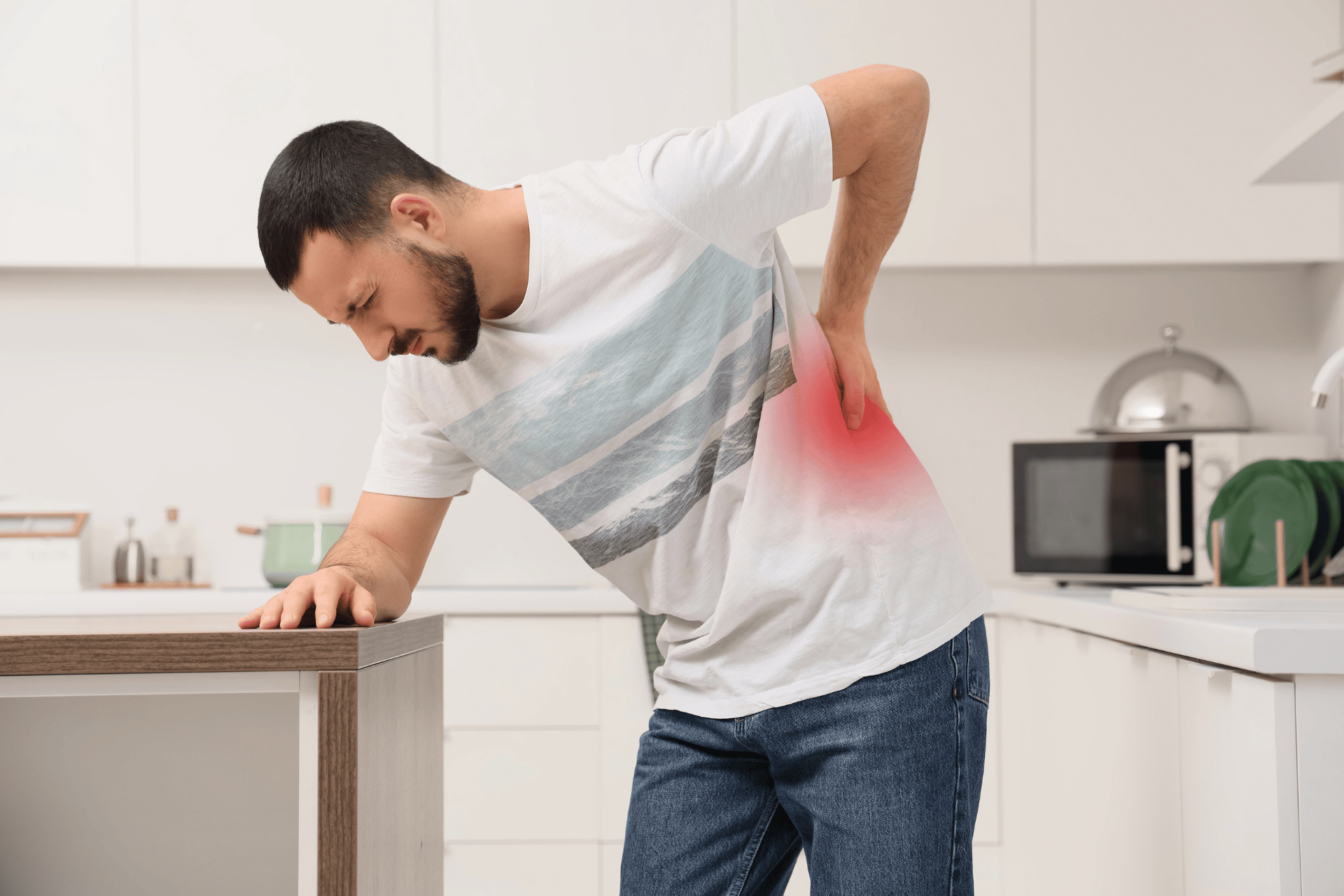 When Back Pain and Constipation Require Medical Attention