

Can an Enlarged Prostate Cause Erectile Dysfunction?
Understanding the Enlarged Prostate and Its EffectsThe prostate is a small gland in men located below the bladder and surrounding the urethra. As men age, the prostate often [...]
Read More
Medically reviewed by Alan Lucks | MD , Alan Lucks MDPC Private Practice - New York on January 1st, 2026. Updated on April 30th, 2026
An enlarged prostate, or benign prostatic hyperplasia (BPH), commonly affects men over 50 and can influence sexual health.
Erectile dysfunction (ED) and BPH share overlapping symptoms but are caused by different factors, though they can be related.
Treatment options for BPH may impact erectile function, making medical guidance essential.
Telehealth services like Doctronic.ai provide accessible, expert care for prostate and sexual health concerns.
The prostate is a small gland in men located below the bladder and surrounding the urethra. As men age, the prostate often grows larger, a condition known as benign prostatic hyperplasia (BPH). This enlargement can squeeze the urethra and cause urinary symptoms such as frequent urination, difficulty starting urination, or a weak urine stream.
While BPH itself is not cancerous, its symptoms can significantly affect quality of life. Many men worry about how an enlarged prostate might affect other aspects of health, including sexual function. Understanding the connection between BPH and erectile dysfunction is important for managing both conditions effectively. The psychological impact of living with these symptoms can lead to anxiety and stress, further complicating the situation. Men may find themselves avoiding social situations or feeling embarrassed about their condition, which can strain relationships and diminish overall well-being.
The exact cause of BPH is not fully understood, but it is linked to hormonal changes as men age. Testosterone levels decline, while estrogen levels may rise, influencing prostate growth. Genetics and lifestyle factors can also play a role. For instance, obesity and a sedentary lifestyle have been implicated in the development of BPH, suggesting that maintaining a healthy weight and staying active may help mitigate symptoms. Dietary factors, such as high-fat intake and low consumption of fruits and vegetables, may also contribute to prostate health.
Because the prostate surrounds the urethra, its enlargement can interfere with the normal flow of urine, leading to discomfort and other urinary issues. This obstruction can also lead to complications such as urinary tract infections or bladder stones, which may require further medical intervention. Regular check-ups with a healthcare provider are essential for monitoring prostate health, especially for men over the age of 50, as early detection and management can help alleviate symptoms and prevent complications.
Frequent urination, especially at night
Urgency to urinate
Weak or interrupted urine stream
Difficulty starting or stopping urination
Feeling of incomplete bladder emptying
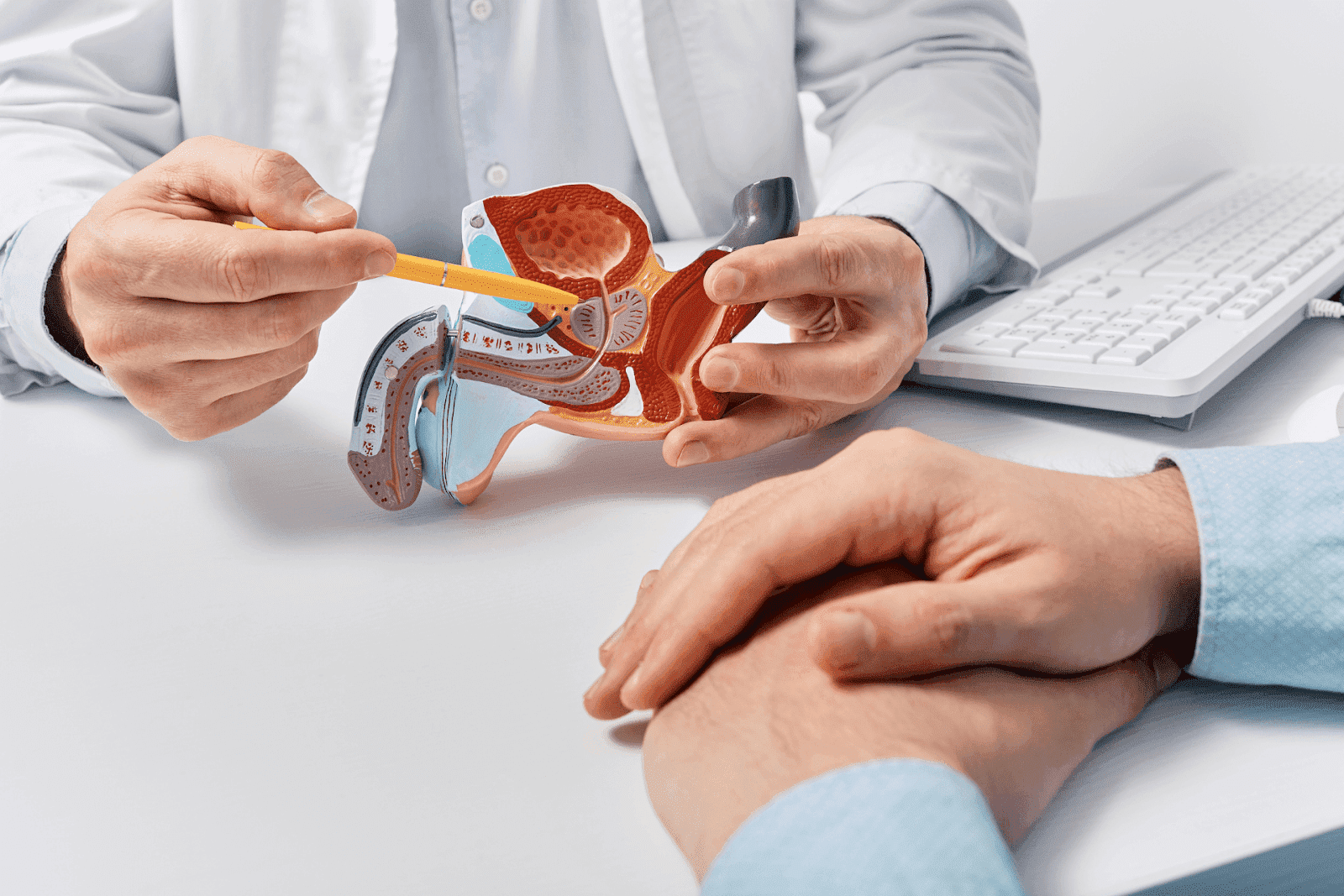 The Link Between Enlarged Prostate and Erectile Dysfunction
Erectile dysfunction, the inability to achieve or maintain an erection sufficient for sexual activity, affects millions of men worldwide. While BPH and ED are separate conditions, they often occur together, especially as men age.
Both BPH and ED share common risk factors such as aging, cardiovascular disease, diabetes, obesity, and lifestyle habits like smoking. These factors can affect blood flow, nerve function, and hormone levels, contributing to both urinary and sexual health problems.
While an enlarged prostate itself does not directly cause erectile dysfunction, the symptoms and treatments related to BPH can impact sexual performance. For example, the discomfort and stress from urinary symptoms may reduce libido or sexual confidence.
Some medications prescribed for BPH, such as alpha-blockers or 5-alpha-reductase inhibitors, can have side effects that affect erectile function. It is important to discuss these potential effects with a healthcare provider.
In some cases, surgery to relieve BPH symptoms may be necessary. Procedures like transurethral resection of the prostate (TURP) can improve urinary flow but carry a risk of temporary or permanent erectile dysfunction. Understanding these risks helps men make informed decisions about their treatment options.
Addressing both BPH and ED requires a holistic approach that considers physical, emotional, and lifestyle factors. Early diagnosis and treatment can improve symptoms and quality of life.
If you experience urinary symptoms, erectile difficulties, or both, seeking professional evaluation is crucial. A healthcare provider will review your medical history, perform a physical exam, and may order tests such as a prostate-specific antigen (PSA) blood test or an ultrasound.
Doctronic.ai offers convenient access to expert doctors who can guide you through diagnosis and treatment from the comfort of your home.
Medications: Alpha-blockers relax the muscles of the prostate to improve urine flow. 5-alpha-reductase inhibitors shrink the prostate over time.
Lifestyle changes: Reducing caffeine and alcohol intake, managing fluid intake, and engaging in regular exercise can ease symptoms.
Surgery: For severe cases, minimally invasive or surgical procedures may be recommended.
Treatment for ED may include oral medications, lifestyle changes, psychological counseling, or devices. Since ED can signal underlying health issues like cardiovascular disease, a thorough evaluation is important.
Open communication with your healthcare provider about all symptoms and concerns helps tailor the best treatment plan.
Accessing timely and expert medical advice for sensitive issues like prostate health and erectile dysfunction can be challenging. Telehealth services provide a discreet, convenient way to get the care you need.
Fast, knowledgeable AI doctor: Doctronic.ai offers free AI-powered consultations that synthesize the latest medical research to answer your questions quickly.
Personalized care: The AI remembers your history and provides tailored advice, making each visit more meaningful.
Affordable telehealth visits: For more complex concerns, you can connect with licensed doctors 24/7 across all 50 states for under $40 per visit.
Convenience and privacy: Receive expert care from home without waiting rooms or travel.
Using Doctronic.ai can help you understand your symptoms, explore treatment options, and get referrals if needed, all with trusted medical guidance.
Living with an enlarged prostate or erectile dysfunction can feel overwhelming, but help is available. Recognizing symptoms early and seeking professional care improves outcomes.
Whether you want to learn more about your prostate health or address sexual concerns, platforms like Doctronic.ai make expert medical advice accessible and straightforward.
Note any symptoms related to urination or sexual function.
Visit Doctronic.ai for a free AI doctor visit to get initial guidance.
Schedule a telehealth video visit with a licensed doctor if you need a personalized diagnosis or treatment.
Follow recommended lifestyle changes and treatment plans.
Keep track of your symptoms and communicate regularly with your healthcare provider.
An enlarged prostate itself does not directly cause permanent erectile dysfunction. However, treatments for BPH or associated health conditions might affect erectile function. It is important to discuss concerns with your doctor.
Some medications for BPH have fewer sexual side effects than others. Your healthcare provider can help select the best option based on your health and preferences.
While ED becomes more common with age, it is not inevitable. Many men maintain healthy sexual function well into later years. Addressing underlying health issues and lifestyle factors can help.
Improvement varies by treatment type. Some medications may relieve urinary symptoms within days, while prostate shrinkage takes months. Erectile function may improve as underlying causes are treated.
Yes, telehealth platforms like Doctronic.ai provide expert consultations for prostate health and erectile dysfunction, offering convenient and private care options.
An enlarged prostate does not directly cause erectile dysfunction, but the symptoms, shared risk factors, and certain treatments for BPH can negatively affect sexual function. Managing both conditions requires careful medical guidance to balance urinary relief and sexual health. Early evaluation, lifestyle adjustments, and tailored treatment plans can improve outcomes. Convenient telehealth platforms like Doctronic.ai make it easier to get expert, private care for prostate and erectile health concerns.
Understanding the Enlarged Prostate and Its EffectsThe prostate is a small gland in men located below the bladder and surrounding the urethra. As men age, the prostate often [...]
Read More
Join 50,000+ readers using Doctronic to understand symptoms, medications,
and next steps.
Add your phone number below to get health updates and exclusive VIP offers.
By providing your phone number, you agree to receive SMS updates from Company. Message and data rates may apply. Reply “STOP” to opt-out anytime. Read our Privacy Policy and Terms of Service for more details.
Save your consults. Talk with licensed doctors and manage your health history.
