Back pain after lifting usually comes from muscle strains, degeneration of spinal joints, or poor form during the lift
Ice works best for the first 48-72 hours, then switch to heat therapy
Core exercises and gentle stretches help the back heal faster and stay strong
Red flag symptoms like numbness, weakness, or bladder problems need a doctor right away
Proper warm-ups and good lifting form prevent most lifting injuries from happening again
Understanding Back Pain From Lifting
You picked up something heavy, felt a sudden sharp pain, and now your lower back is screaming at you. This happens to millions of people every year. Workplace back injuries account for about 15% of all workplace injuries, with lifting being the main cause. The good news? Most back pain from lifting improves without surgery or invasive treatments. This guide explains why lifting hurts your back and how to address it. For quick guidance on your specific symptoms, Doctronic.ai offers AI-guided symptom assessment tools that can help you understand your pain and decide on next steps.
Common Causes of Post-Lifting Back Pain
Muscle Strains and Ligament Sprains
The most common cause of back pain after lifting is a muscle strain. When you lift something too heavy or move the wrong way, the muscles in your lower back can stretch too far or tear slightly. This feels like a sharp pain that gets worse when you move. Ligament sprains happen when the tough bands that hold your spine together get overstretched. Both injuries cause swelling, stiffness, and pain that can last days or weeks.
Herniated or Bulging Discs
Between each bone in your spine sits a soft disc that acts like a cushion. Heavy lifting can displace these discs. A bulging disc presses outward but stays intact. A herniated disc actually tears open. Both can press on nearby nerves and cause pain that shoots down your leg. This type of injury often feels different from muscle pain: it may include tingling, numbness, or weakness in your legs.
The Impact of Poor Lifting Mechanics
Bad form causes most lifting injuries. Rounding your back, twisting while lifting, or jerking the weight up puts huge stress on your spine. Frequently lifting loads over 23 kg or performing repetitive lifting more than 25 times per day is associated with a significantly higher risk of lower back pain. Your spine works best when it stays neutral and straight. The moment you bend or twist under load, injury risk skyrockets.
Immediate Steps for At-Home Pain Relief
The Role of Rest and Activity Modification
Rest is important, but too much rest can make things worse. Take it easy for the first day or two, then start moving gently. Avoid activities that worsen the pain, but continue light activities like walking. To make it simple; it is best to keep moving. Complete bed rest deconditions the body leading to weak muscles and slower healing. The goal is to find a balance: protect your back while keeping it active.
Applying Heat vs. Ice Therapy
Ice and heat have different effects on your back. Use ice for the first 48-72 hours after injury. It reduces swelling and numbs the pain. Wrap ice in a towel and apply for 15-20 minutes at a time. After three days, switch to heat. Heat relaxes tight muscles and brings blood flow to help healing. A heating pad or warm bath works well. Never apply ice or heat directly to skin.
Over-the-Counter Medication Options
Anti-inflammatory drugs like ibuprofen reduce both pain and swelling. Acetaminophen helps with pain but not swelling. Follow the dosage instructions on the label. These medicines work best when taken consistently for a few days rather than only when pain worsens. If you have stomach problems, kidney issues, or take other medications, consult a healthcare provider first. Doctronic.ai can help you understand which pain relievers are safest for your situation.
Stretches and Exercises for Recovery
Gentle Decompression Stretches
Decompression stretches take pressure off your spine. The child's pose: kneel on the floor, sit back on your heels, and reach your arms forward while lowering your chest. Hold for 30 seconds. The knee-to-chest stretch: lie on your back and pull one knee toward your chest, then switch. Cat-cow stretches: get on hands and knees, arch your back up like a cat, then let it sag down. These movements create space between vertebrae and ease disc pressure.
Core Stabilization for Lumbar Support
Your core muscles wrap around your midsection like a natural back brace. Weak core muscles mean your spine does all the work. Start with simple exercises: the dead bug, bird dog, and gentle planks. Do these daily once the acute pain fades. Strong core muscles protect your spine during every lift you do in the future. This is the single most important thing you can do to prevent repeat injuries.
When to See a Doctor for Back Injuries
Identifying Red Flag Symptoms
Most back pain gets better on its own, but some symptoms need immediate medical attention. See a doctor right away if you have numbness or tingling in your legs, weakness in your feet, or problems controlling your bladder or bowels. Severe pain that wakes you from sleep, pain with fever, or pain after a major fall also needs professional evaluation. These symptoms can signal serious nerve damage or other problems that need treatment fast.
Diagnostic Tests for Chronic Pain
If pain lasts more than six weeks, your doctor may order imaging tests. X-rays show bone problems but miss soft tissue injuries. MRI scans give detailed pictures of discs, muscles, and nerves. CT scans help when doctors need to see bones in more detail. Not everyone needs imaging: many back problems heal without ever knowing exactly what structure was injured. Tests are most useful when symptoms suggest something specific or when pain does not improve with basic treatment.
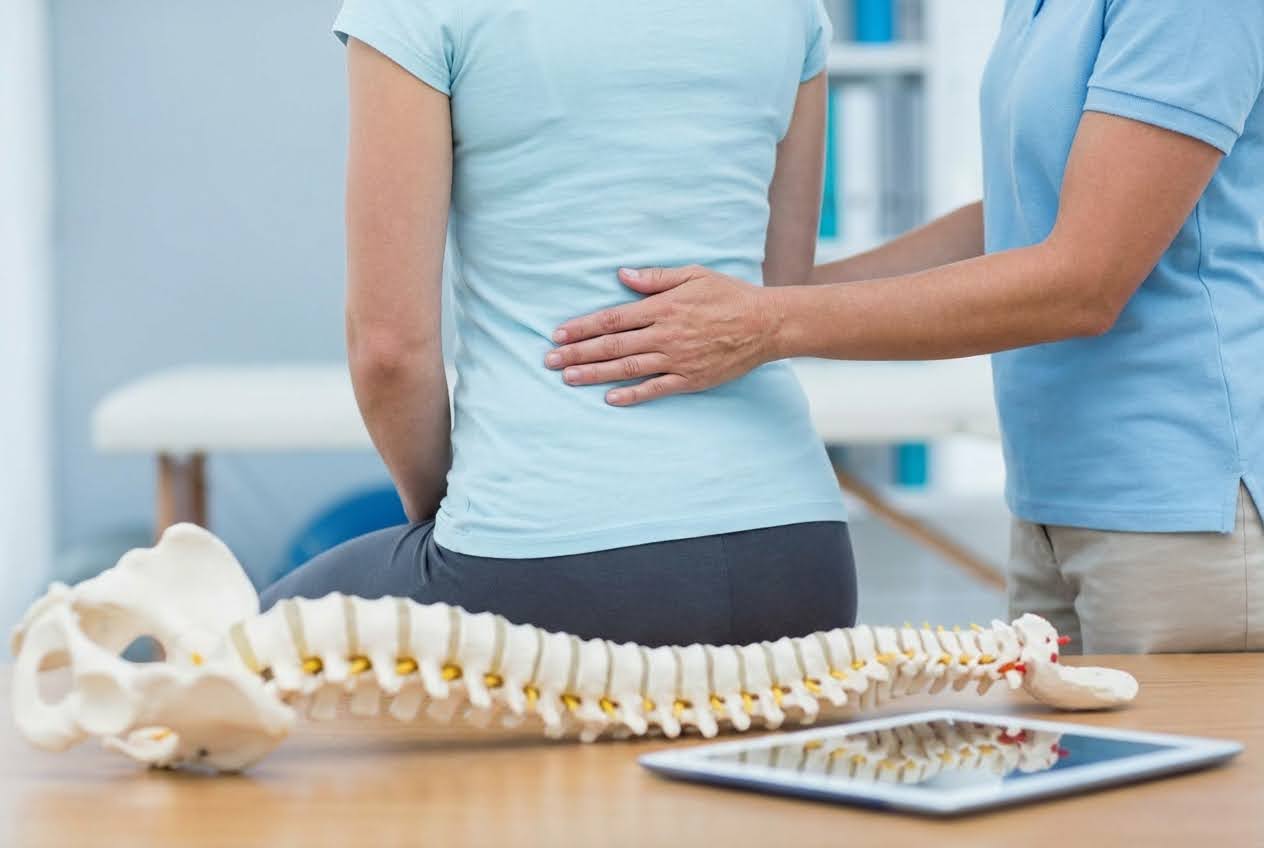
![A person in a light blue shirt receiving back pain relief from a physical therapist, with a spine model and tablet on the table.][image1] Alt Text: A person in a light blue shirt receiving back pain relief from a physical therapist, with a spine model and tablet on the table.
Preventing Future Back Injuries During Lifting
Mastering Proper Form and Posture
Good lifting form protects your back every time. Keep your back straight and bend at the hips and knees, not the waist. Hold objects close to your body. Never twist while holding a weight: move your feet to turn instead. Keep your core tight throughout the lift. These rules apply whether you are picking up a barbell at the gym or a box at home.
The Importance of Dynamic Warm-Ups
Cold muscles tear more easily than warm ones. Before any lifting session, spend 5-10 minutes warming up. Light cardio gets blood flowing. Dynamic stretches like leg swings and torso rotations prepare your muscles for work. Static stretching before lifting actually increases injury risk, so save those for after your workout.
Using Supportive Lifting Equipment
Weight belts can help when used correctly. They remind you to brace your core and provide some support during heavy lifts. Do not rely on them as a substitute for good form or strong muscles. For work tasks, use dollies, carts, or lifting straps to reduce strain. Ask for help with awkward or heavy objects. No lift is worth a back injury.
Frequently Asked Questions
Most muscle strains heal within 2-4 weeks with proper care. Disc injuries may take 6-12 weeks. If pain lasts longer than six weeks or gets worse, see a healthcare provider.
Use ice for the first 48-72 hours to reduce swelling. After that, switch to heat to relax muscles and promote healing. Apply either for 15-20 minutes at a time.
Light activity like walking helps healing. Avoid heavy lifting and exercises that cause pain. Gentle stretches and core exercises can start once acute pain fades.
See a doctor immediately if you have leg weakness, numbness, bladder problems, or severe pain with fever. Also seek care if pain does not improve after six weeks of home treatment.
Back braces provide some support and remind you to use good form. They should not replace core strengthening or proper lifting technique. Use them as needed, but not as the primary treatment.
The Bottom Line
Back pain from lifting usually heals with rest, ice, gentle movement, and time. Prevent future injuries by strengthening your core and using proper form. For personalized guidance on your back pain, try an AI-supported symptom checker at Doctronic.ai to get tailored advice in seconds.
Understanding Emotional Wellness Through DBTEmotions feel overwhelming when they seem to control every decision. Dialectical Behavior Therapy offers practical techniques for [...]
Getting Skin Care Without the Insurance HeadachesThat suspicious mole has been bothering you for weeks. You want answers from a dermatologist, but a quick call to your [...]
Why Ankles Swell After Physical ActivityFinishing a workout with puffy, tight ankles can be alarming. Most people assume something is wrong, but bloated ankles after exercise [...]



 Diagnostic Tests for Chronic Pain