A back brace for scoliosis is typically recommended for children and adolescents with curves between 20 and 40 degrees who are still growing
Skeletal immaturity, measured by the Risser scale, is a critical factor in determining bracing candidacy
Compliance matters: wearing the brace for the prescribed hours daily directly impacts treatment success
Bracing is not effective for adults with mature skeletons or for curves exceeding 40-45 degrees
Making Informed Decisions About Bracing
When a child is diagnosed with scoliosis, it can prompt a parent to search for answers about treatment options. The question of whether a back brace is the right choice depends on several specific factors that doctors evaluate carefully. Bracing remains one of the most effective non-surgical treatments available, but it works best under certain conditions. Bracing is typically recommended for children and adolescents who are still growing and have curves between 20 and 40 degrees. Understanding when doctors recommend scoliosis bracing can help families make informed decisions and set realistic expectations for treatment outcomes. For parents seeking quick answers about their child's condition, Doctronic.ai offers AI-powered consultations that can help clarify medical questions before specialist appointments.
Understanding Scoliosis Bracing and How It Works
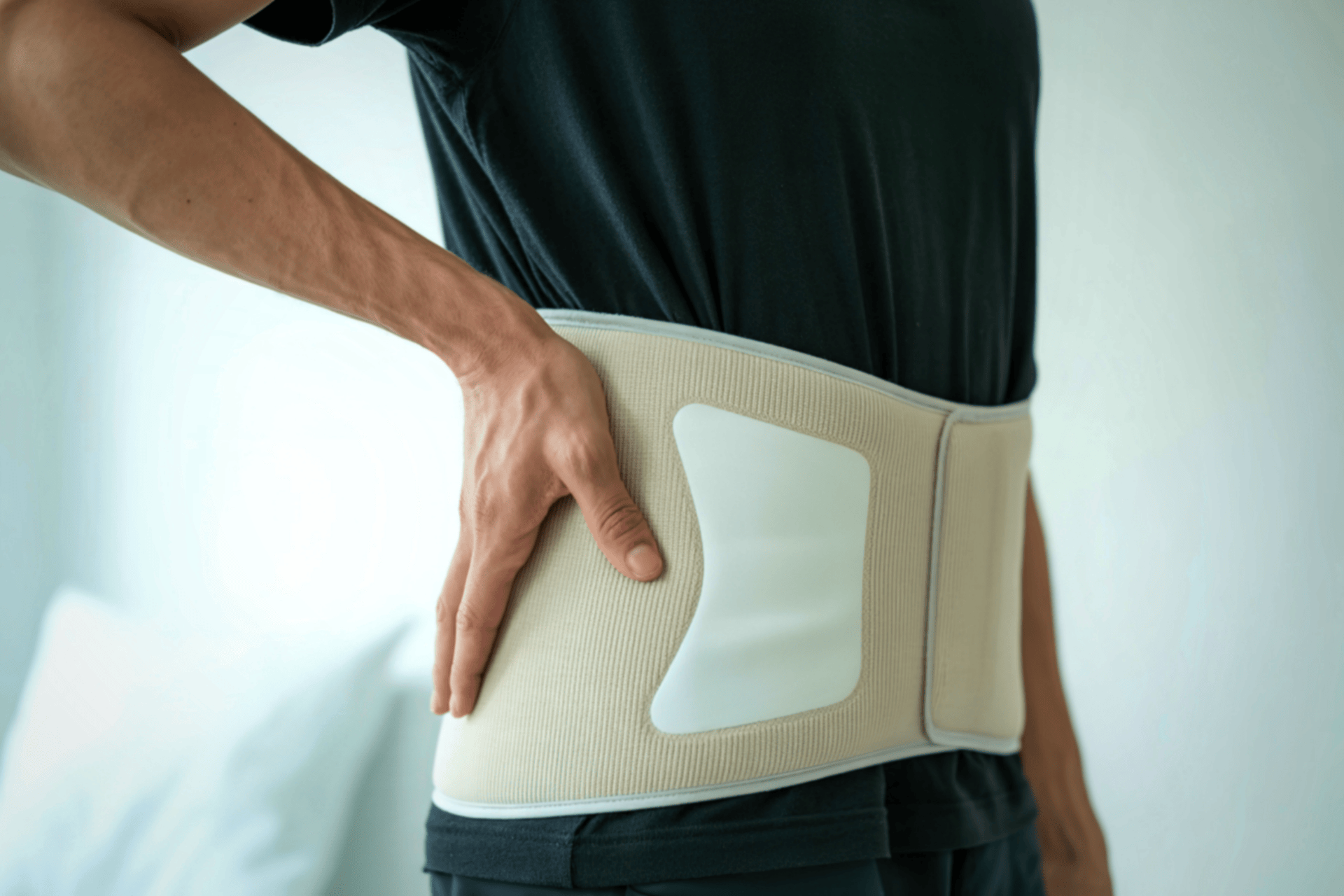
Scoliosis braces are external devices designed to apply corrective pressure to the spine during the critical growth years. They work by holding the spine in a straighter position while the body continues to develop.
The Primary Goal: Stopping Curve Progression
The main purpose of a scoliosis brace is not to straighten the spine completely. Instead, the goal is to prevent the curve from getting worse during the remaining growth period. If the curve can be held below 45 degrees until skeletal maturity, surgery is typically avoided. This makes bracing a preventive treatment rather than a corrective one.
How Mechanical Pressure Realigns the Spine
Braces work through strategic pressure points that push against the curved areas of the spine. The device creates three-point pressure systems that gently guide vertebral growth in a more aligned direction. As bones grow, they respond to the forces applied to them. The brace essentially trains the spine to develop with less curvature over time.
Clinical Criteria for Recommending a Back Brace
Doctors use specific measurements and assessments to determine if bracing is appropriate. Not every scoliosis case requires or benefits from brace treatment.
Cobb Angle Measurements (20 to 40 Degrees)
The Cobb angle measures the severity of spinal curvature on an X-ray. Curves below 20 degrees are usually monitored without treatment. Curves between 20 and 40 degrees in growing children are prime candidates for bracing. Research shows that 75% of patients who wore a brace controlled their curve enough to avoid surgery, compared with 58% of patients who did not wear a brace. This significant difference underscores the importance of proper bracing protocols.
Skeletal Immaturity and the Risser Scale
The Risser scale measures how much growth remains in a child's skeleton by examining the hip bone on X-rays. Scores range from 0 to 5, with lower numbers indicating more growth remaining. Bracing works best for patients with Risser scores of 0-2, when substantial skeletal development still lies ahead. Once a patient reaches Risser 4 or 5, bracing offers little benefit because growth has essentially stopped.
Rate of Curve Progression Over Time
Doctors also consider how quickly the curve is changing. A curve that increases by more than 5 degrees between checkups signals aggressive progression. Fast-progressing curves in young patients often receive immediate bracing recommendations. Stable curves may simply be monitored with regular X-rays.
Types of Scoliosis Braces and Their Specific Uses
Different brace designs serve different purposes and patient needs. The choice depends on curve location, severity, and patient lifestyle factors.
Full-Time Rigid Braces (Boston and Wilmington)
The Boston brace and Wilmington brace are rigid plastic devices worn 16-23 hours daily. These braces provide maximum correction potential for thoracolumbar curves. They fit under clothing and allow most daily activities except swimming and contact sports. Full-time braces require significant commitment but offer the strongest evidence for preventing curve progression.
Nighttime-Only Bracing (Providence and Charleston)
Nighttime braces apply more aggressive correction during sleep hours only. The Providence and Charleston braces bend the spine beyond what would be comfortable while awake. These options work well for patients who struggle with daytime brace wear or have specific curve patterns. Studies show comparable results to full-time bracing for appropriate candidates.
Dynamic and Flexible Bracing Options
Newer dynamic braces allow more movement while still providing corrective pressure. SpineCor and similar systems use elastic bands rather than rigid plastic. These may improve compliance in some patients but remain somewhat controversial regarding effectiveness. Most orthopedic specialists still prefer rigid bracing for moderate curves.
Factors Influencing Bracing Success
A brace prescription alone does not guarantee good outcomes. Several factors determine whether treatment succeeds.
Daily Wear Compliance and Hours per Day
Compliance is the single biggest predictor of bracing success. It's crucial that patients are actively involved in their own care. If they're passive, if someone else is making them wear the brace, it's a lot less likely they'll be adherent. Patients who wear their brace for the prescribed hours see dramatically better results than those who skip wear time.
Physical Therapy and Complementary Exercises
Bracing works best when combined with scoliosis-specific exercises. Physical therapy strengthens core muscles and improves posture awareness. The Schroth method and similar programs teach patients how to actively work against their curve pattern. Doctronic.ai can help families understand what questions to ask physical therapists about complementary treatment approaches.
When Bracing Is Not Recommended
Bracing is not appropriate for every scoliosis patient. Certain conditions make brace treatment ineffective or unnecessary.
Skeletal Maturity and Finished Growth
Adults and teens who have completed growth cannot benefit from bracing. The corrective forces work by guiding bone development, which requires active growth. Patients with Risser 5 scores or those past their growth spurts need different treatment approaches. Monitoring or surgical consultation becomes more appropriate at this stage.
Severe Curves Exceeding 40-45 Degrees
Curves above 45 degrees typically require surgical evaluation rather than bracing. At this severity, bracing cannot provide enough correction to prevent continued progression. These curves often worsen even after skeletal maturity ends. Spinal fusion surgery becomes the recommended treatment for severe cases.
Transitioning Away from the Brace
Weaning from a scoliosis brace happens gradually as growth slows. Doctors typically reduce wear time over several months rather than stopping suddenly. The weaning process usually begins when the patient reaches Risser 4 and shows stable curve measurements. Regular monitoring continues for one to two years after brace discontinuation to ensure the curve remains stable.
Frequently Asked Questions
Most children wear their brace until they reach skeletal maturity, which typically occurs around age 13-15 for girls and 15-17 for boys. The total treatment duration ranges from two to four years, depending on when bracing begins.
Most sports are allowed with brace removal during activity. Contact sports and swimming require removing the brace. Doctors generally recommend wearing the brace immediately before and after athletic activities to maintain correction.
Initial discomfort is common as the body adjusts to the brace. Most patients adapt within two to four weeks. Persistent pain indicates the brace needs adjustment by the orthotist.
Bracing typically holds the curve steady rather than fully correcting it. Some improvement may occur, but the primary goal is to prevent worsening. Complete straightening usually requires surgical intervention.
The Bottom Line
A back brace for scoliosis is most effective for growing children with moderate curves between 20 and 40 degrees. Success depends heavily on patient compliance and starting treatment before skeletal maturity. Families navigating a scoliosis diagnosis can get personalized guidance through Doctronic.ai, where AI-powered consultations help clarify treatment options and prepare for specialist appointments.
Understanding Emotional Wellness Through DBTEmotions feel overwhelming when they seem to control every decision. Dialectical Behavior Therapy offers practical techniques for [...]
Getting Skin Care Without the Insurance HeadachesThat suspicious mole has been bothering you for weeks. You want answers from a dermatologist, but a quick call to your [...]
Why Ankles Swell After Physical ActivityFinishing a workout with puffy, tight ankles can be alarming. Most people assume something is wrong, but bloated ankles after exercise [...]



 Factors Influencing Bracing Success