
Treatments and Prevention
Can Budesonide Cause Anxiety? Side Effects Explained (2026)
December 10, 2025
9 min read

Medically reviewed by Alan Lucks | MD, Alan Lucks MDPC Private Practice - New York on April 16th, 2026.
Published on March 2nd, 2026. Updated on July 24th, 2026.
Budesonide is processed by the CYP3A4 enzyme, making it sensitive to many drug interactions that can increase or decrease its effects
Ketoconazole and similar antifungal medications can increase budesonide levels by up to six times
Grapefruit juice can increase the amount of oral budesonide your body absorbs by approximately 1.5 to 2 times
Live vaccines should be avoided while taking budesonide due to a weakened immune response
Always inform your doctor about all medications, supplements, and foods you consume while on budesonide
Doctronic.ai offers 24/7 access to doctors who can help you understand your medication interactions
Questions about budesonide interactions?
Free. Anonymous. Built by doctors.
This article covers general information. Ask Doctronic about your symptoms, medications, side effects, or treatment options.
Budesonide is a corticosteroid medication used to treat conditions like asthma, Crohn's disease, and ulcerative colitis. While effective, this medication interacts with many other drugs, supplements, and even certain foods. Understanding these budesonide interactions helps you avoid dangerous side effects and ensures your treatment works properly.
Your body processes budesonide through specific pathways that other substances can affect. Some interactions make budesonide stronger, increasing the risk of side effects. Others weaken it, reducing its ability to treat your condition. Knowing what to avoid when taking budesonide helps protect your health and keep your treatment on track.
Your liver uses an enzyme called CYP3A4 to break down budesonide. This enzyme metabolizes many medications, creating opportunities for drug interactions. When another drug blocks CYP3A4, budesonide stays in your body longer and builds up to higher levels. When something speeds up CYP3A4, your body clears budesonide too quickly.
Inhaled budesonide goes directly to your lungs and has fewer systemic interactions. Oral budesonide travels through your digestive system and liver, making it more vulnerable to interactions. The form you take determines which interactions matter most for your situation.
Antifungal medications such as ketoconazole and itraconazole are potent CYP3A4 inhibitors. Ketoconazole can increase budesonide exposure by approximately sixfold. This dramatic increase raises your risk of serious corticosteroid side effects.
Medical experts warn that caution should be exercised when considering the coadministration of budesonide suspension inhalation with ketoconazole and other known strong CYP3A4 inhibitors because adverse effects related to increased systemic exposure to budesonide may occur. If you need antifungal treatment, your doctor may adjust your budesonide dose or choose an alternative medication.
HIV medications such as ritonavir and atazanavir also inhibit CYP3A4. Taking these with budesonide can cause dangerous increases in corticosteroid levels. Patients on HIV treatment need careful monitoring if budesonide is necessary.
Your healthcare provider may recommend alternative treatments or significant dose adjustments. Never stop HIV medications without medical guidance, but do inform all your doctors about every medication you take.
Macrolide antibiotics, including clarithromycin and erythromycin, inhibit CYP3A4 and increase budesonide levels. These antibiotics are commonly prescribed for respiratory infections, making this interaction particularly relevant for patients using inhaled budesonide.
Short antibiotic courses may not cause significant problems. Longer treatments require closer monitoring for signs of increased corticosteroid effects like swelling, mood changes, or blood sugar elevations.
Oral budesonide formulations often have special coatings designed to release medication in specific parts of your digestive tract. Antacids and acid-reducing medications like omeprazole can slightly alter stomach pH but generally do not significantly affect the release or absorption of budesonide. This means the interaction is minimal for most patients.
Take budesonide and antacids at different times when possible. Discuss timing strategies with your pharmacist or through Doctronic.ai to optimize both medications.
Estrogen-containing medications, including birth control pills, can modestly increase budesonide blood levels. The interaction is typically mild but may require dose adjustments for some patients. Women using hormonal contraceptives should inform their doctors before starting budesonide.
While some drugs increase budesonide levels, others decrease them. Rifampin, used to treat tuberculosis, and carbamazepine, used for seizures, speed up CYP3A4 activity. This causes your body to clear budesonide faster than normal, potentially making your treatment ineffective.
Patients taking these medications may need higher budesonide doses or alternative treatments. Your doctor will monitor your condition closely to ensure adequate symptom control.
Budesonide suppresses immune function, especially at higher doses or with long-term use. Live vaccines contain weakened but active viruses or bacteria. Your suppressed immune system may not handle these vaccines safely, potentially causing the illness the vaccine was meant to prevent.
Common live vaccines include MMR, chickenpox, and nasal flu spray. Discuss your vaccination schedule with your doctor before starting budesonide treatment.
Combining budesonide with other corticosteroids increases your total steroid exposure. This raises the risk of serious side effects, including bone loss, high blood sugar, weight gain, and adrenal suppression. Even topical steroids and inhaled steroids from multiple sources add up.
Keep a complete list of all steroid medications you use and share it with every healthcare provider you see.
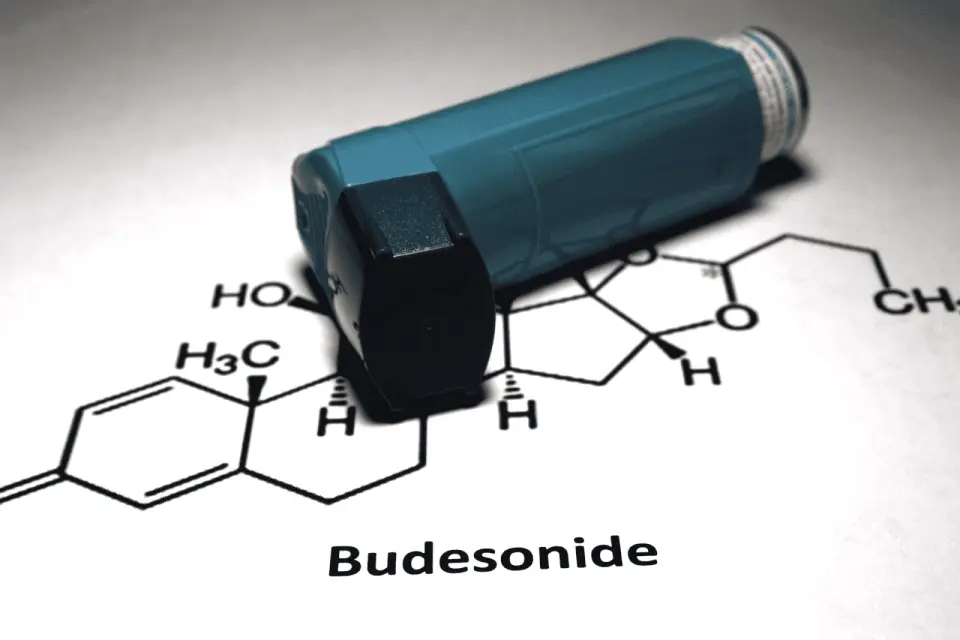 Budesonide Interactions With Supplements and OTC Medications
St. John's Wort, a popular herbal supplement for mood support, strongly induces CYP3A4. Taking this supplement with budesonide can significantly reduce budesonide effectiveness. Avoid St. John's Wort entirely while on budesonide treatment.
Echinacea is designed to stimulate immune function, which may work against budesonide's immunosuppressive effects. This interaction could reduce treatment effectiveness for conditions where immune suppression is the goal.
Alcohol does not directly interact with budesonide through enzyme pathways. Both substances can irritate the stomach lining, especially oral budesonide formulations. Combining them may increase digestive discomfort and ulcer risk. Light to moderate alcohol consumption is generally considered safe for most patients, but individual tolerance varies.
Grapefruit and grapefruit juice are powerful CYP3A4 inhibitors. Research shows that grapefruit juice can increase the bioavailability of oral budesonide by around 1.5 to 2 times. This means your body absorbs significantly more medication from the same dose.
Avoid grapefruit products entirely while taking oral budesonide. This includes grapefruit juice, fresh grapefruit, and grapefruit-flavored foods. Related citrus fruits, such as Seville oranges, may cause similar effects.
Keep an updated list of all medications, supplements, and herbal products you take. Share this list with every healthcare provider and pharmacist. Read labels on over-the-counter products carefully. When in doubt, ask a pharmacist or consult Doctronic.ai for quick guidance on potential interactions.
Contact your doctor immediately if you experience unusual swelling, rapid weight gain, mood changes, vision problems, or signs of infection while taking budesonide with other medications. These symptoms may indicate dangerous drug interactions requiring immediate attention.
Ibuprofen and budesonide can both irritate the stomach lining. Taking them together increases ulcer and bleeding risk. Use this combination only under medical supervision.
Grapefruit effects on CYP3A4 can last up to 72 hours. Wait at least three days after consuming grapefruit before assuming normal budesonide metabolism.
Most standard vitamins do not interact significantly with budesonide. Herbal supplements are more likely to cause problems than basic vitamin formulations.
Coffee does not interact directly with budesonide. Both may contribute to stomach irritation in sensitive individuals, so monitor your digestive comfort.
Budesonide interacts with many common medications, supplements, and foods through the CYP3A4 enzyme pathway. Staying informed about these interactions protects your health and ensures effective treatment. For personalized guidance about your medications, Doctronic offers free AI doctor visits and affordable telehealth consultations with licensed physicians available 24/7. Visit Doctronic.ai to discuss your budesonide questions with a healthcare professional today.
Ask about Budesonide interactions
Chat Now