Nicoderm CQ, a nicotine patch, can interact with several medications and substances, affecting their effectiveness or causing side effects.
Everyday interactions include stimulants, blood pressure medications, and certain antidepressants.
Alcohol and nicotine patches together may increase heart risks and side effects.
Supplements and over-the-counter drugs can also influence Nicoderm CQ’s effects.
Monitoring symptoms and consulting healthcare providers is essential when using Nicoderm CQ alongside other drugs.
Doctronic.ai offers personalized telehealth consultations to help manage drug interactions safely.
Understanding Nicoderm CQ Interactions for Safe Usage
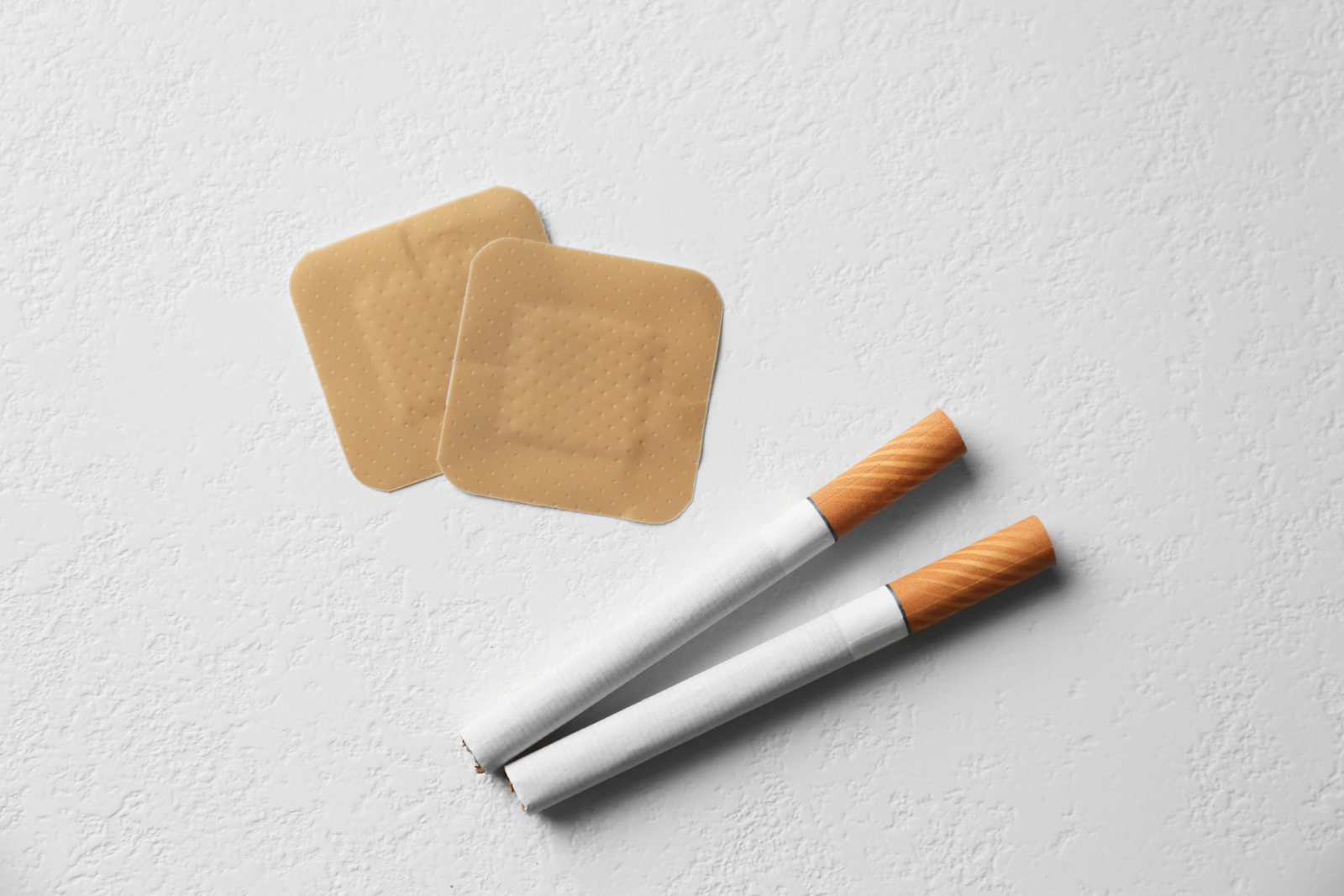
Nicoderm CQ is a popular nicotine replacement therapy designed to help people quit smoking by delivering a steady dose of nicotine through the skin. While it’s effective, it’s essential to be aware of how Nicoderm CQ interacts with other medications, supplements, and substances like alcohol. These interactions can alter the way your body processes nicotine or other drugs, potentially causing unwanted side effects or reducing treatment effectiveness.
Nicotine itself is a stimulant that affects the cardiovascular system and nervous system, so combining it with certain drugs requires caution. If you’re using Nicoderm CQ, understanding these interactions can help you avoid complications and quit smoking safely. For personalized advice, especially if you have other health conditions or medications, consider consulting a telehealth provider like Doctronic.ai, which offers expert medical guidance tailored to your health history.
1. Nicoderm CQ and Stimulant Medications
Nicotine is a stimulant, so using Nicoderm CQ alongside other stimulant drugs such as amphetamines or certain ADHD medications (like Adderall or Ritalin) can increase heart rate and blood pressure. This combination may raise the risk of cardiovascular side effects such as palpitations, hypertension, or even arrhythmias.
Because both nicotine and stimulant medications elevate nervous system activity, combining them requires careful monitoring. If you notice symptoms such as dizziness, chest pain, or a rapid heartbeat, seek medical advice promptly.
2. Nicoderm CQ and Blood Pressure Medications
Nicotine can constrict blood vessels and raise blood pressure, which may reduce the effectiveness of antihypertensive drugs such as beta-blockers, ACE inhibitors, or calcium channel blockers. This interaction might make it harder to control blood pressure during nicotine patch use.
Patients using Nicoderm CQ while on blood pressure medications should regularly monitor their blood pressure and discuss any concerns with their healthcare provider. Adjustments to medication or nicotine dosage might be necessary.
3. Nicoderm CQ and Antidepressants
Certain antidepressants, especially bupropion, are sometimes used alongside nicotine patches to aid smoking cessation. However, combining these requires caution as both can increase the risk of seizures in susceptible individuals.
Other antidepressants metabolized by liver enzymes affected by nicotine may have altered blood levels, potentially impacting their efficacy or side effect profile.
4. Nicoderm CQ and Theophylline
Theophylline, a medication used for asthma or COPD, can interact with nicotine by increasing its metabolism. Nicotine accelerates the breakdown of theophylline, which may reduce its effectiveness and necessitate dose adjustments.
If you use theophylline and Nicoderm CQ together, close monitoring of your respiratory symptoms and theophylline blood levels is essential to maintain proper control.
5. Nicoderm CQ and Warfarin
Warfarin, a blood thinner, can be affected by nicotine. Nicotine may alter warfarin metabolism, increasing the risk of bleeding or clotting if not monitored carefully.
Regular blood tests to check INR levels are essential when starting or stopping Nicoderm CQ while on warfarin therapy to avoid dangerous complications.
6. Nicoderm CQ and Caffeine
Nicotine can increase caffeine metabolism, potentially reducing its stimulant effects. This means you might feel less jittery or alert from your usual caffeine intake while using Nicoderm CQ.
However, if you suddenly stop using the patch, caffeine effects may intensify, potentially causing headaches or irritability.
Nicoderm CQ Interactions With Supplements and OTC Medications
Common Supplements to Watch
Some herbal supplements, like St. John’s Wort, can affect liver enzymes that metabolize nicotine, altering its effectiveness or side effects. Others, like ginseng, may have stimulating effects that add to nicotine’s impact on your heart and nervous system.
Over-the-Counter Medications
OTC drugs such as decongestants (pseudoephedrine) can raise blood pressure and heart rate, which may be amplified by nicotine from Nicoderm CQ. Pain relievers like aspirin or ibuprofen generally do not interact directly, but always check labels and consult a healthcare provider if unsure.
Nicoderm CQ and Alcohol
Combining Nicoderm CQ with alcohol can increase the risk of cardiovascular side effects such as elevated heart rate and blood pressure. Alcohol may also impair judgment and increase the likelihood of nicotine overdose symptoms like nausea, dizziness, or headache.
Drinking alcohol can weaken your resolve to quit smoking, so it’s wise to limit or avoid alcohol while using Nicoderm CQ. If you have questions about managing alcohol use during smoking cessation, a telehealth consultation at Doctronic.ai can provide personalized guidance.
Avoiding Nicoderm CQ Interactions
To minimize risks when using Nicoderm CQ, keep a detailed list of all medications, supplements, and substances you use. Share this with your healthcare provider or telehealth doctor to assess potential interactions.
Never start or stop any medication without consulting a professional, especially when using nicotine replacement therapy. Pay attention to any new or worsening symptoms such as chest pain, palpitations, dizziness, or unusual bleeding, and seek medical advice promptly.
Doctronic.ai offers fast, affordable telehealth visits where you can discuss your medication regimen and get personalized advice on managing Nicoderm CQ interactions, tailored to your medical history and dosage.
When to Contact Your Doctor About Nicoderm CQ Interactions
Contact your healthcare provider immediately if you experience any of the following while using Nicoderm CQ:
Severe chest pain or irregular heartbeat
Sudden dizziness or fainting
Unusual bleeding or bruising
Seizure activity
Severe headache or confusion
Even if symptoms are mild but persistent, a professional evaluation can prevent complications. For quick access to expert care, consider scheduling a video visit through Doctronic.ai, available 24/7 across all 50 states.
Frequently Asked Questions
Nicotine can raise blood pressure and may reduce the effectiveness of some blood pressure drugs. It’s essential to monitor your blood pressure closely and consult your doctor to adjust medications if needed.
Caffeine metabolism may speed up with nicotine, making coffee feel less stimulating. This is generally safe, but be mindful of changes in how caffeine affects you.
If you experience side effects such as dizziness, a rapid heartbeat, or skin irritation, stop using the patch and contact a healthcare provider. Telehealth services like Doctronic.ai can provide quick advice and treatment options.
Yes, some supplements can affect nicotine metabolism or add to its stimulating effects. Always discuss any supplements with your healthcare provider before starting Nicoderm CQ.
Doctronic.ai provides personalized telehealth consultations that consider your complete medical history and current medications. This helps ensure safe use of Nicoderm CQ and prevents harmful interactions.
Nicoderm CQ is a valuable tool for quitting smoking, but like any medication, it requires careful management to avoid interactions that could harm your health. Understanding which drugs, supplements, and substances to avoid or monitor can make your quitting journey safer and more successful.
Always keep your healthcare providers informed about all the medications and supplements you take. When in doubt, use trusted telehealth services like Doctronic.ai for personalized, convenient medical advice. With the proper support, you can navigate Nicoderm CQ interactions confidently and focus on achieving a smoke-free life.
Understanding Nicoderm CQ Interactions for Safe UsageNicoderm CQ is a popular nicotine replacement therapy designed to help people quit smoking by delivering a steady dose of [...]
Join 50,000+ readers using Doctronic to understand symptoms, medications, and next steps.
Only one more step.
Add your phone number below to get health updates and exclusive VIP offers.
By providing your phone number, you agree to receive SMS updates from Company. Message and data rates may apply. Reply “STOP” to opt-out anytime. Read our Privacy Policy and Terms of Service for more details.
Thanks for subscribing
Save your consults. Talk with licensed doctors and manage your health history.



 Nicoderm CQ Interactions With Supplements and OTC Medications