

5 Common and Serious Side Effects of Nicoderm CQ
Understanding Nicoderm CQ Side EffectsNicoderm CQ is a nicotine replacement therapy designed to reduce withdrawal symptoms and cravings for people trying to quit smoking. It [...]
Read More
Medically reviewed by Alan Lucks | MD, Alan Lucks MDPC Private Practice - New York on December 19th, 2025.
Nicoderm CQ is a popular nicotine patch used to help people quit smoking.
Common side effects include skin irritation, headaches, nausea, dizziness, and sleep disturbances.
Serious side effects, though rare, can involve allergic reactions and heart-related symptoms.
Managing side effects often involves adjusting patch placement or timing of use.
Consulting a healthcare provider is important if side effects persist or worsen.
Doctronic.ai offers personalized telehealth consultations to help manage Nicoderm CQ side effects effectively.
Nicoderm CQ is a nicotine replacement therapy designed to reduce withdrawal symptoms and cravings for people trying to quit smoking. It delivers a steady dose of nicotine through the skin, easing the transition away from cigarettes. Despite its benefits, users may experience side effects, which can vary in intensity and duration.
Knowing what to expect can help users manage these effects and stay on track with their quit plan. Side effects range from mild skin irritation to more serious symptoms that require medical attention. This article covers the most common and serious side effects of Nicoderm CQ, along with tips on managing them.
One of the most frequently reported side effects of Nicoderm CQ is skin irritation at the patch site. This can include redness, itching, burning, or rash. The irritation occurs because the patch adheres directly to the skin and releases nicotine, which can sometimes cause a mild allergic reaction or sensitivity.
Skin irritation usually develops within the first few days of use and may lessen over time as the skin adjusts. If the irritation is severe or persistent, it could indicate an allergic reaction to the adhesive or nicotine itself.
Rotate the patch placement daily to avoid applying it to the same spot repeatedly.
Clean and dry the skin before applying a new patch.
Use a mild moisturizer if the skin feels dry or itchy, but avoid applying lotions directly before patch application.
If irritation worsens, remove the patch and consult a healthcare provider.
Dizziness and headaches are common side effects, especially when starting Nicoderm CQ or if the nicotine dose is too high for the user’s current tolerance. Nicotine affects blood vessels and brain chemistry, which can trigger these symptoms.
These effects are usually temporary and tend to improve as the body adjusts to the nicotine replacement. Persistent or severe dizziness and headaches should be discussed with a healthcare professional.
Nicoderm CQ can interfere with sleep patterns, causing insomnia, vivid dreams, or restless sleep. Nicotine is a stimulant, and wearing the patch overnight may disrupt normal sleep cycles.
Consider removing the patch before bedtime, but only after consulting your doctor to avoid compromising nicotine levels.
Practice good sleep hygiene: keep a regular schedule, avoid caffeine late in the day, and create a relaxing bedtime routine.
If vivid dreams or insomnia persist, talk to your healthcare provider about adjusting your quit plan.
Nausea or gastrointestinal upset can occur as the body reacts to nicotine absorption through the skin. These symptoms are more likely if the patch is worn continuously or if the nicotine dose is too strong.
Eating smaller, more frequent meals and avoiding heavy or greasy foods can help reduce nausea. If symptoms continue, lowering the nicotine dose or taking breaks from the patch might be necessary.
Nicotine stimulates the cardiovascular system, which can lead to an increased heart rate or palpitations. While these effects are usually mild, they can be concerning, especially for individuals with pre-existing heart conditions.
Users experiencing chest pain, severe palpitations, or shortness of breath should seek immediate medical attention.
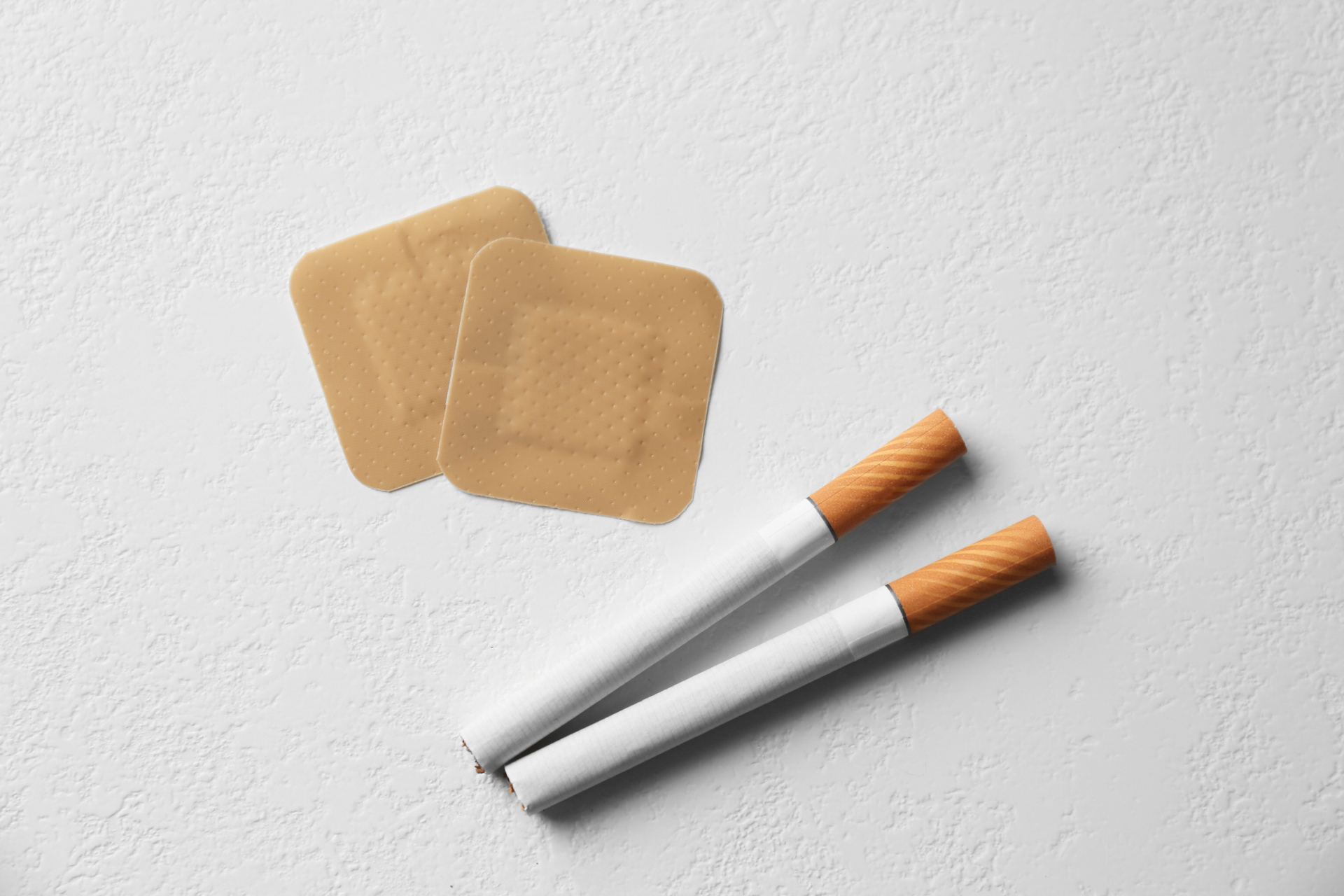 How to Manage and Reduce Side Effects of Nicoderm CQ
Changing where and when you apply the patch can significantly reduce skin irritation and sleep problems. Avoid placing the patch on irritated or oily skin. Applying the patch in the morning and removing it at night may help with sleep disturbances.
For mild skin irritation, over-the-counter hydrocortisone cream can soothe itching and redness. Drinking plenty of water and eating balanced meals helps minimize nausea and dizziness.
Managing side effects can be tricky, especially when balancing quitting smoking and dealing with new symptoms. Doctronic.ai provides quick, affordable access to medical advice. Their AI-powered platform offers personalized recommendations based on the latest medical research and your health history. You can also schedule video visits with licensed doctors anytime, anywhere in the U.S., making it easier to get help without leaving home.
Though rare, some users may experience serious allergic reactions to Nicoderm CQ. Symptoms include swelling of the face, lips, tongue, or throat, difficulty breathing, and severe rash or hives. These require urgent medical care.
People with known allergies to adhesives or nicotine should inform their healthcare provider before starting Nicoderm CQ. Those with heart disease, high blood pressure, or pregnancy should consult a doctor to ensure the patch is safe for them.
Most side effects of Nicoderm CQ are manageable and temporary. It’s important to contact a healthcare professional if you experience:
Severe or worsening skin reactions
Persistent dizziness or headaches
Sleep disturbances that impact daily life
Signs of allergic reaction
Chest pain, palpitations, or shortness of breath
Professional guidance can help adjust your treatment plan and ensure your quitting journey stays safe and effective.
Doctronic is revolutionizing healthcare with AI-driven, direct-to-patient care. Over 10 million people have used their platform to get fast, reliable answers about medications, side effects, and treatment options. When it comes to managing Nicoderm CQ side effects, Doctronic can provide tailored guidance that considers your unique health profile and concerns.
Visit Doctronic.ai to experience personalized healthcare powered by the most advanced AI in medicine. Whether you need a second opinion or ongoing support during your quit journey, Doctronic offers a smarter, faster, and more personal way to care for your health.
Nicoderm CQ is a helpful tool for many people trying to quit smoking, but like any medication, it comes with potential side effects. Most users find that side effects are manageable and diminish over time. Patience and proper management strategies are key to success.
Quitting smoking is a major step toward better health. If side effects become overwhelming or you have concerns, don’t hesitate to reach out for professional help. Doctronic makes it easier than ever to get expert advice quickly, so you can stay focused on your goal.
Severe allergic reactions are rare but possible. Symptoms include swelling, difficulty breathing, and severe rash. Seek emergency care if these occur.
Mild skin irritation is common and usually improves with time or by changing patch placement.
Many users do, but some experience sleep disturbances. Removing the patch before bed may help, but consult your doctor first.
These symptoms often improve as your body adjusts. Stay hydrated and rest. If they persist or worsen, contact a healthcare provider.
Telehealth services like Doctronic.ai offer personalized medical advice and video visits with doctors 24/7 across all 50 states.
Understanding Nicoderm CQ Side EffectsNicoderm CQ is a nicotine replacement therapy designed to reduce withdrawal symptoms and cravings for people trying to quit smoking. It [...]
Read More