Skyla, a hormonal IUD, can interact with certain medications and substances that may reduce its effectiveness or cause side effects.
Some antibiotics and anticonvulsants can decrease Skyla’s hormone levels, increasing the risk of unintended pregnancy.
Using Skyla alongside other hormonal contraceptives or certain supplements requires caution due to potential hormone level changes.
Alcohol does not directly affect Skyla, but it can impact your overall health and medication adherence.
Always discuss your complete medication list with a healthcare provider to avoid harmful interactions.
Doctronic.ai offers personalized telehealth consultations to help you understand Skyla interactions based on your medical history.
Understanding Skyla Interactions for Safe Usage
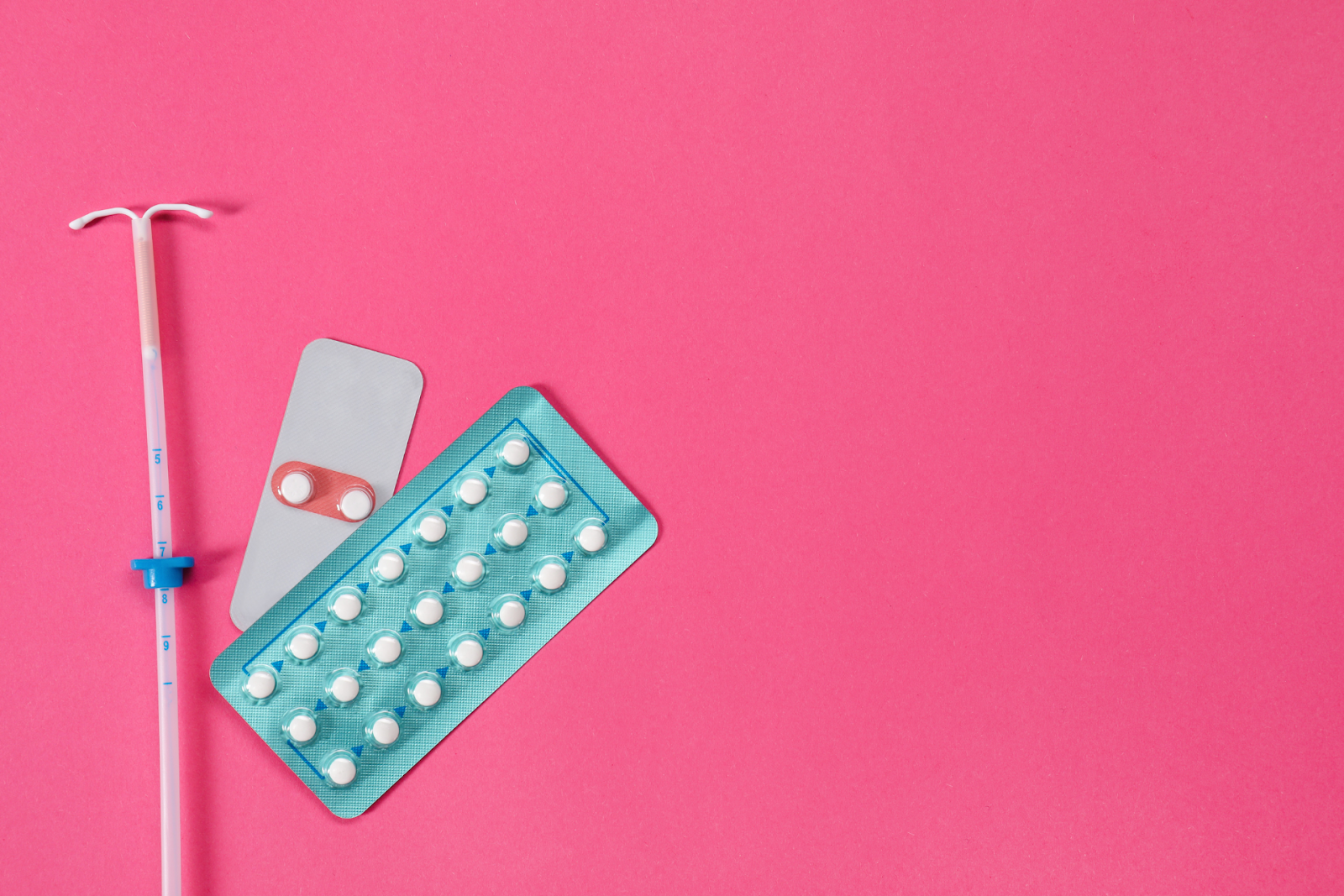
Skyla is a popular intrauterine device (IUD) that releases a low dose of the hormone levonorgestrel to prevent pregnancy. While it’s highly effective and convenient, certain medications and substances can interfere with how well Skyla works or cause unwanted side effects. Knowing what to avoid can protect your health and ensure Skyla does its job correctly.
Interactions with Skyla mainly involve drugs that affect hormone metabolism or the immune system. Some may lower hormone levels, making Skyla less effective, while others might increase side effects.
While most women tolerate Skyla well, the presence of certain medications can lead to unexpected complications. It’s essential to be aware that not all antibiotics have the same effect; some, like rifampin, are known to significantly lower the effectiveness of hormonal contraceptives, including IUDs like Skyla. Therefore, it’s advisable to consult with your healthcare provider about any new medications you may be prescribed, especially if they fall into these categories.
Lifestyle choices can affect the efficacy of Skyla. While moderate alcohol consumption may not directly interfere with the IUD, excessive drinking can lead to forgetfulness regarding medication routines or follow-up appointments, which are vital for maintaining reproductive health. Stress and other health factors can influence hormone levels, potentially affecting how well Skyla works. Keeping an open line of communication with your healthcare provider about these aspects can help ensure you use Skyla safely and effectively, maximizing its benefits while minimizing risks.
Since everyone’s health profile is unique, personalized advice is crucial. Doctronic.ai provides quick, expert telehealth visits to discuss your medications and risks in detail.
1. Skyla and Antibiotics That May Reduce Its Effectiveness
Most antibiotics don’t interfere with hormonal IUDs like Skyla. However, rifampin and rifabutin, antibiotics used to treat tuberculosis and some bacterial infections, can speed up the breakdown of levonorgestrel. This reduces hormone levels, potentially lowering Skyla’s contraceptive effectiveness.
If you’re prescribed rifampin or rifabutin, your doctor might recommend using an additional non-hormonal contraceptive method during treatment and for a short period after. This precaution helps prevent unintended pregnancy while hormone levels are low.
2. Skyla and Anticonvulsants
Certain anticonvulsant medications, such as phenytoin, carbamazepine, and phenobarbital, can also increase levonorgestrel metabolism. These drugs are often prescribed for epilepsy or mood disorders. When taken together with Skyla, they may reduce hormone levels, decreasing contraceptive protection.
Women on these medications should discuss alternative or additional birth control methods with their healthcare provider. Monitoring and adjustments might be necessary to maintain effective contraception.
3. Skyla and Hormonal Contraceptives
Using Skyla alongside other hormonal contraceptives, such as birth control pills, patches, or vaginal rings, is generally not recommended without medical advice. Combining multiple hormonal methods can increase side effects like spotting, mood changes, or hormonal imbalances.
If switching methods or combining contraceptives for any reason, consult a healthcare provider to ensure safe and effective use. Personalized guidance from services like Doctronic.ai can help you navigate these choices.
4. Skyla and Other Medications
Some medications used for HIV, antifungals like griseofulvin, and specific cancer treatments can alter hormone levels or interfere with Skyla. These interactions might reduce contraceptive effectiveness or increase side effects.
Always inform your healthcare provider about all prescription and non-prescription medications you take. This helps tailor your contraceptive plan and avoid risks.
Skyla Interactions With Supplements and OTC Medications
Some herbal supplements and OTC medications can interact with hormonal contraceptives. For example, St. John’s Wort is known to induce liver enzymes that break down levonorgestrel faster, potentially reducing Skyla’s effectiveness.
Other common supplements, such as vitamin C or pain relievers, generally don’t interfere with Skyla. Still, it’s essential to disclose all supplements and OTC drugs to your healthcare provider to avoid surprises.
Skyla and Alcohol
Alcohol does not directly interact with Skyla or affect its hormone release. However, excessive alcohol consumption can impair judgment, leading to inconsistent use of additional contraceptive methods if needed. It can also affect liver function, which plays a role in hormone metabolism.
Moderate alcohol intake is unlikely to impact Skyla’s effectiveness, but maintaining overall health and medication adherence is key to safe contraceptive use.
Avoiding Skyla Interactions
Tips for Safe Use
Keep a complete list of all medications, supplements, and OTC products you use.
Consult your healthcare provider before starting any new medication.
Use backup contraception if prescribed interacting drugs like rifampin or anticonvulsants.
Report any unusual symptoms, such as breakthrough bleeding or signs of pregnancy, promptly.
Schedule regular check-ins to review your medication regimen and contraceptive needs.
Utilizing telehealth services like Doctronic.ai can make these consultations easier and more accessible. They offer 24/7 video visits with licensed doctors who can review your medications and provide personalized advice quickly.
When to Contact Your Doctor About Skyla Interactions
If you experience any of the following while using Skyla, reach out to a healthcare professional promptly:
Symptoms of pregnancy, such as nausea, breast tenderness, or missed periods
Signs of infection, such as fever, severe abdominal pain, or unusual discharge
Side effects that worsen after starting a new medication
Early intervention can prevent complications and ensure your contraceptive method remains effective. Telehealth platforms like Doctronic.ai provide quick access to medical advice without the need for in-person visits.
Frequently Asked Questions
Most common antibiotics do not reduce Skyla’s effectiveness. Only rifampin and rifabutin have been shown to significantly interact by speeding up hormone metabolism.
Yes, moderate alcohol consumption does not directly affect Skyla. However, excessive drinking can impact your overall health and medication adherence.
Talk to your healthcare provider about using backup contraception during treatment. They may recommend alternative methods or additional precautions.
Some, like St. John’s Wort, can reduce hormone levels. Always inform your doctor about any supplements you take.
Telehealth services such as Doctronic.ai offer quick, personalized consultations to review your medications and health history for safe contraceptive use.
Skyla is a reliable and convenient contraceptive option for many women. Understanding potential interactions helps maintain its effectiveness and avoid unwanted side effects. Keep your healthcare provider informed about all medications and supplements you use. If you have questions or concerns, consider Doctronic.ai for fast, personalized medical advice tailored to your needs.
Understanding Skyla Interactions for Safe UsageSkyla is a popular intrauterine device (IUD) that releases a low dose of the hormone levonorgestrel to prevent pregnancy. While [...]



 Skyla Interactions With Supplements and OTC Medications