Miconazole can interact with several medications, including blood thinners and certain sedatives, potentially causing serious side effects.
Alcohol consumption while using miconazole may increase the risk of adverse reactions and reduce treatment effectiveness.
Some over-the-counter supplements and topical products can interfere with miconazole’s action.
Food interactions with miconazole are minimal, but certain dietary habits may affect absorption.
Always inform your healthcare provider about all medications and supplements you are taking before starting miconazole.
Telehealth services like Doctronic.ai can provide personalized advice on drug interactions based on your medical history.
Seek medical attention immediately if you notice symptoms of a serious interaction, such as unusual bleeding or severe allergic reactions.
Understanding Miconazole Interactions for Safe Usage
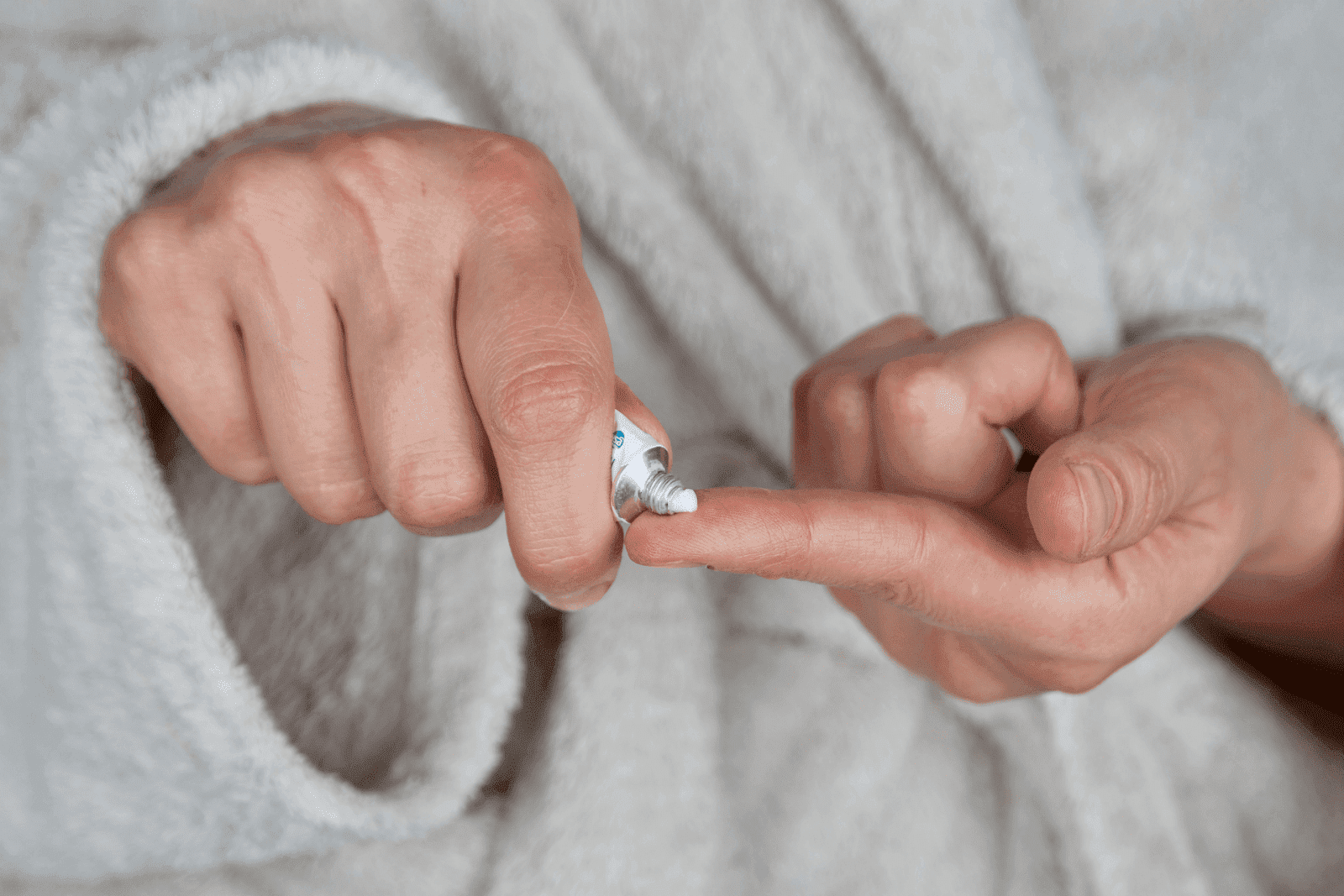
Miconazole is a widely used antifungal medication available in topical, oral, and vaginal forms. It effectively treats fungal infections like athlete’s foot, ringworm, and yeast infections. Despite its benefits, miconazole can interact with other drugs, supplements, and substances, which may alter its effectiveness or cause harmful side effects. Understanding the potential interactions of miconazole is crucial for ensuring a safe and effective treatment experience for anyone prescribed miconazole or using it over the counter. If you want tailored advice based on your specific dosage and health profile, telehealth services such as Doctronic.ai offer quick, expert guidance anytime, anywhere.
1. Miconazole and Blood Thinners
One of the most significant interactions involves blood thinners like warfarin. Miconazole can increase the blood-thinning effects of these medications, raising the risk of severe bleeding complications.
This happens because miconazole inhibits certain liver enzymes that break down warfarin, leading to higher blood levels of the drug. Signs of this interaction include unusual bruising, prolonged bleeding, or blood in urine or stool.
If you are on blood thinners, your doctor may need to monitor your blood clotting parameters more closely or adjust your dosage while you use miconazole.
2. Miconazole and Benzodiazepines
Miconazole can interact with benzodiazepines such as diazepam or midazolam, which are sedatives used for anxiety, insomnia, or seizures. The antifungal can slow the metabolism of these drugs, leading to increased sedation and drowsiness.
This interaction may cause excessive sleepiness, dizziness, or impaired coordination, increasing the risk of accidents. It is essential to avoid driving or operating heavy machinery if you notice these effects.
3. Miconazole and Statins
Statins, used to lower cholesterol, can also interact with miconazole. The antifungal may increase blood statin levels, increasing the risk of muscle pain, weakness, or, in rare cases, a serious condition called rhabdomyolysis.
Patients taking statins should inform their healthcare provider before starting miconazole to ensure safe management of both medications.
4. Miconazole and Oral Hypoglycemics
For people with diabetes, miconazole may interact with oral hypoglycemic agents such as sulfonylureas. This can cause blood sugar levels to drop too low, leading to hypoglycemia symptoms such as shakiness, sweating, confusion, or fainting.
Monitoring blood sugar closely during miconazole treatment is advised, and adjustments to diabetes medications may be necessary.
Miconazole Interactions With Supplements and OTC Medications
Common Supplements to Watch
Some supplements, particularly those that affect liver enzymes (like St. John’s Wort), can alter how miconazole is metabolized. This may reduce its effectiveness or increase side effects.
Additionally, over-the-counter topical products containing other antifungals or steroids should not be combined with miconazole without medical advice, as this can cause skin irritation or reduce treatment success.
Over-the-Counter Medications
Nonprescription drugs such as certain pain relievers or cold remedies may contain ingredients that interact with miconazole. Always check labels and consult a healthcare provider if unsure.
Miconazole and Alcohol
Alcohol can exacerbate side effects like dizziness or stomach upset when combined with miconazole. It may also impair your immune system’s ability to fight infection, reducing the medication’s effectiveness.
While moderate alcohol consumption might not cause severe interactions, it is generally best to avoid drinking alcohol during treatment to ensure optimal healing and minimize risks.
Miconazole and Food Interactions
Food does not significantly affect the absorption of topical or vaginal miconazole. However, for oral miconazole formulations, taking the medication with food might help reduce stomach irritation.
There are no significant food restrictions, but maintaining a balanced diet supports overall health and recovery from fungal infections.
Avoiding Miconazole Interactions
To prevent harmful interactions, always inform your healthcare provider about all medications, supplements, and substances you use. This includes prescription drugs, herbal remedies, and recreational substances.
Using telehealth platforms like Doctronic.ai can simplify this process. Their AI-powered system provides personalized, up-to-date medical advice instantly, helping you understand potential interactions based on your unique health profile.
When to Contact Your Doctor About Miconazole Interactions
Seek immediate medical attention if you experience any of the following while using miconazole:
Unusual bleeding or bruising
Severe allergic reactions such as rash, swelling, or difficulty breathing
Extreme drowsiness or confusion
Muscle pain or weakness
Signs of low blood sugar, such as sweating, shakiness, or fainting
Early intervention can prevent complications and ensure safe treatment.
Frequently Asked Questions
Combining antifungals is generally not recommended without medical supervision, as it may increase side effects or reduce effectiveness.
Topical and vaginal miconazole are often considered safe during pregnancy, but always consult your healthcare provider before use.
The time varies depending on the drug and your metabolism. Your doctor or a telehealth provider like Doctronic.ai can give personalized guidance.
Topical use poses less risk, but it’s still best to avoid alcohol to prevent irritation and support healing.
Doctronic.ai uses advanced AI to analyze your medications, dosages, and medical history to quickly and conveniently provide personalized interaction warnings and advice.
Miconazole is a powerful antifungal that can significantly improve fungal infections when used correctly. However, its interactions with other drugs, supplements, and substances can pose risks that should not be ignored.
Being informed about these seven key interactions and communicating openly with your healthcare provider ensures safer treatment and better outcomes. For personalized, fast, and reliable medical advice on miconazole and other medications, consider using telehealth services like Doctronic.ai. Their AI-powered platform is designed to provide the most modern, personal care in seconds.
Understanding Miconazole Interactions for Safe UsageMiconazole is a widely used antifungal medication available in topical, oral, and vaginal forms. It effectively treats [...]



 Miconazole Interactions With Supplements and OTC Medications