
4 Diprolene Interactions: What To Avoid When You’re Taking Diprolene

Medically reviewed by Alan Lucks | MD, Alan Lucks MDPC Private Practice - New York on January 5th, 2026.
Published on December 31st, 2025. Updated on April 30th, 2026.
Key takeaways
Diprolene, a topical corticosteroid, can interact with various medications and substances, affecting its effectiveness and safety.
Everyday interactions include other corticosteroids, immunosuppressants, and specific antifungal or antibiotic treatments.
Alcohol and some over-the-counter supplements may also influence Diprolene’s action or side effects.
Understanding these interactions helps prevent adverse effects and ensures optimal treatment outcomes.
Consulting a healthcare provider or using telehealth services like Doctronic.ai can provide personalized advice based on your medical history.
Understanding Diprolene Interactions for Safe Usage
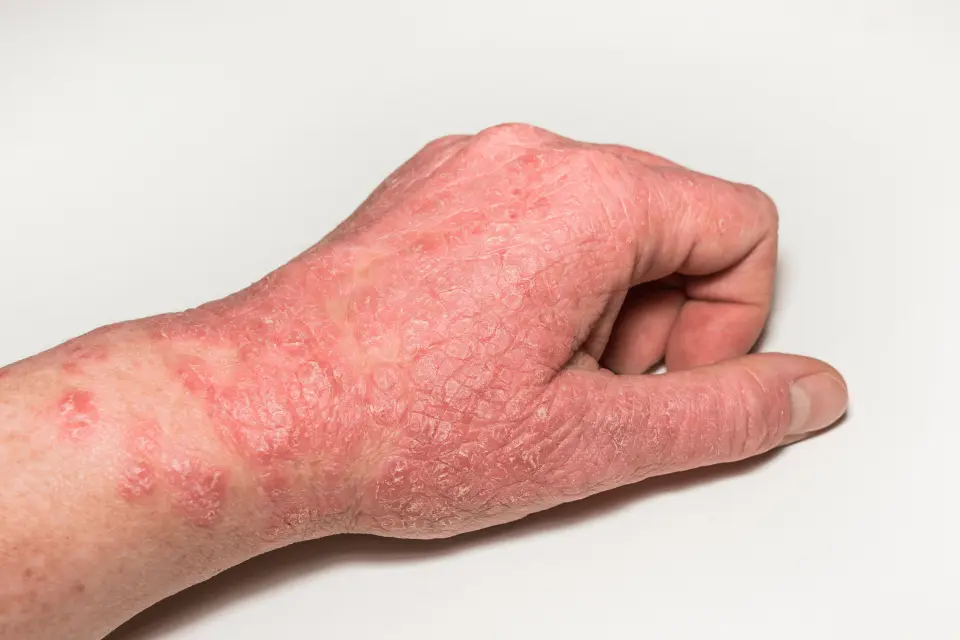
Diprolene is a high-potency topical corticosteroid commonly prescribed to treat inflammatory skin conditions such as eczema, psoriasis, and severe dermatitis. While it can be very effective at reducing redness, swelling, and itching, its interactions with other medications and lifestyle factors are important to understand for safe use.
Using Diprolene alongside other corticosteroids, primarily oral or injectable steroids, can increase the risk of side effects. These may include skin thinning, delayed wound healing, and increased steroid absorption into the bloodstream. Immunosuppressive medications can further raise the risk of skin infections, since Diprolene already reduces local immune activity in the skin. For this reason, it’s essential to tell your healthcare provider about all prescription medications you’re taking before starting treatment.
Topical interactions also matter. Applying Diprolene at the same time as other medicated creams, exfoliants, or products containing alcohol or fragrances can worsen irritation and dryness. Combining treatments without guidance may reduce effectiveness or increase skin damage.
Lifestyle factors can also influence results. Alcohol consumption may worsen skin dryness or irritation, making side effects more noticeable. Some herbal supplements can interact with corticosteroids in unexpected ways, even when used topically.
To use Diprolene safely and effectively, always share a complete list of medications, supplements, and lifestyle habits with your healthcare provider. This helps ensure a treatment plan that minimizes risks while delivering the best possible results.
1. Diprolene Interaction with Other Corticosteroids
Using Diprolene alongside other corticosteroids, whether topical, oral, or injectable, can increase the risk of corticosteroid-related side effects. These include skin thinning, hormonal imbalances, and suppression of the adrenal gland function.
Combining corticosteroids may amplify their effects, leading to complications such as Cushing’s syndrome or delayed wound healing. It’s essential to inform your healthcare provider about all corticosteroid treatments you are using.
2. Diprolene Interaction with Immunosuppressants
Immunosuppressive drugs, such as cyclosporine or methotrexate, can interact with Diprolene, increasing the risk of infections or skin thinning. Both Diprolene and immunosuppressants reduce immune system activity, leaving the skin more vulnerable to infections.
Patients on immunosuppressants should use Diprolene cautiously and under strict medical supervision to avoid complications.
3. Diprolene Interaction with Antifungal Medications
Some antifungal medications, especially topical ones, may interact with Diprolene. Using corticosteroids like Diprolene on fungal infections can worsen the infection by suppressing the immune response.
It’s crucial to get a proper diagnosis before combining Diprolene with antifungal treatments. If you suspect a fungal skin infection, consult a healthcare professional rather than self-medicating.
4. Diprolene Interaction with Antibiotics
Topical antibiotics combined with Diprolene can sometimes increase the risk of skin irritation or allergic reactions. Additionally, systemic antibiotics may alter skin flora, which could affect how Diprolene works on the skin.
Always discuss with your doctor or use telehealth services like Doctronic.ai to ensure combining these treatments is safe for your specific condition.
 Diprolene Interactions With Supplements and OTC Medications
Common Supplements to Watch
Some over-the-counter supplements, such as St. John’s Wort, can affect how corticosteroids work by altering metabolism in the liver. This may reduce Diprolene’s effectiveness or increase side effects.
Other supplements that affect immune function or skin healing, like high doses of vitamin A or E, might also interact with Diprolene. Always disclose all supplements you take to your healthcare provider.
OTC Medications
Non-prescription topical products containing irritants or exfoliants, like salicylic acid or benzoyl peroxide, may increase skin irritation when used with Diprolene. Avoid combining such products without medical advice.
Diprolene and Alcohol
While topical Diprolene does not typically interact directly with alcohol, excessive alcohol consumption can impair immune function and skin healing. This may reduce the effectiveness of Diprolene or prolong recovery from skin conditions.
Limiting alcohol intake during treatment is a good practice to support skin health and overall healing.
Diprolene and Food Interactions
There are no well-documented food interactions with Diprolene since it is applied topically. However, maintaining a balanced diet rich in vitamins and minerals supports skin health and can complement your treatment.
Get Diprolene online today
A licensed doctor can review your symptoms and, if appropriate, send a prescription for Diprolene to your pharmacy, often the same day.
- $39 video visit
- Insurance accepted
- 4.8 on Trustpilot
Related medications we prescribe
- Diprolene betamethasone dipropionate
- Westcort hydrocortisone valerate
- Eucrisa crisaborole
- Temovate clobetasol scalp solution
- Cyclocort amcinonide
- Topicort desoximetasone
- Dermatop prednicarbate
- Apexicon diflorasone diacetate
- Ultravate halobetasol propionate
- Betamethasone
- Clobetasol
- Hydrocortisone
- Triamcinolone Acetonide
- Fluocinolone Acetonide
Avoiding Diprolene Interactions
To minimize risks, always use Diprolene exactly as prescribed. Avoid combining it with other corticosteroids or immune-altering drugs without medical advice. Inform your healthcare provider about all medications, supplements, and alcohol use.
When in doubt, Doctronic.ai offers quick, affordable telehealth visits with licensed doctors who can provide personalized guidance tailored to your medical history and current medications.
When to Contact Your Doctor About Diprolene Interactions
Contact your healthcare provider immediately if you experience unusual side effects such as severe skin irritation, signs of infection, hormonal changes, or allergic reactions while using Diprolene.
Also, reach out if you plan to start any new medications or supplements to ensure they won’t interfere with your treatment.
Frequently Asked Questions
It depends on the treatment. Avoid combining Diprolene with other corticosteroids or irritating topical agents unless advised by a doctor.
Moderate alcohol consumption is unlikely to cause direct interactions, but excessive drinking can impair skin healing and immune response.
Apply it as soon as you remember. If it’s near the time for your next dose, skip the missed one. Do not double the dose.
Systemic side effects are rare but possible with prolonged use over large areas. Always follow your doctor’s instructions.
Telehealth platforms like Doctronic.ai can offer tailored information based on your dosage, medical history, and other medications.
The Bottom Line
Diprolene is a powerful tool for managing inflammatory skin conditions, but like all medications, it requires careful use to avoid unwanted interactions.
Always communicate openly with your healthcare provider about all medications, supplements, and lifestyle factors. If you need quick access to expert medical advice without leaving home, consider telehealth services such as Doctronic.ai. With millions of users and 24/7 availability, Doctronic combines AI-driven insights with real doctors to provide personalized, modern medical care at your fingertips.
Related articles
Ask about Diprolene interactions
Chat Now