Abreva (docosanol) is a topical antiviral cream primarily used to treat cold sores.
While Abreva has relatively few serious drug interactions, certain medications and substances can affect its effectiveness or cause unwanted side effects.
Combining Abreva with other topical medications or systemic drugs requires caution to avoid skin irritation or reduced treatment efficacy.
Alcohol and some supplements may influence your immune response, indirectly impacting cold sore healing.
Consulting a healthcare provider through telehealth platforms like Doctronic.ai can help personalize advice based on your medical history and medication regimen.
Continuously monitor for signs of adverse reactions and seek medical advice if symptoms worsen or new issues arise.
Understanding Abreva Interactions for Safe Usage
Abreva is a widely used over-the-counter cream designed to shorten the healing time of cold sores caused by the herpes simplex virus. Its active ingredient, docosanol, works by preventing the virus from entering healthy skin cells. Because Abreva is applied topically and acts locally, it generally has fewer systemic drug interactions compared to oral medications.
Still, understanding potential interactions is essential. Some medications, supplements, or substances can interfere with Abreva’s effectiveness or increase the risk of skin irritation. Knowing what to avoid helps ensure your treatment is safe and effective.
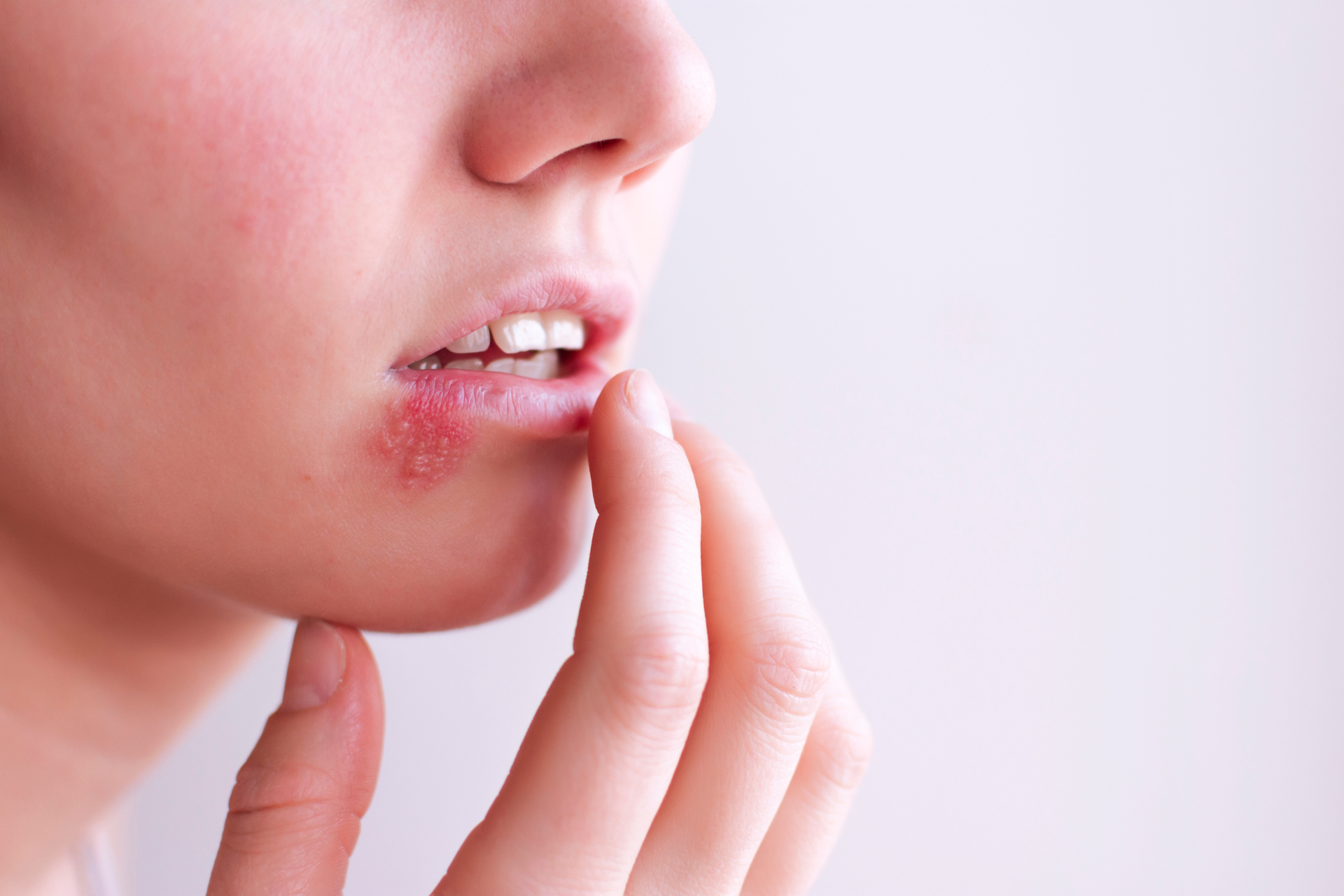
Cold sores, caused by the herpes simplex virus, can be both painful and socially distressing. The lesions typically appear on or around the lips and can be triggered by factors such as stress, illness, or exposure to sunlight. Understanding how to manage outbreaks effectively is crucial for those who experience frequent recurrences. Abreva works by inhibiting the virus's ability to replicate, significantly reducing the duration and severity of an outbreak when applied at the first sign of symptoms, such as tingling or itching.
In addition to medication, lifestyle choices play a pivotal role in managing cold sores. Maintaining a balanced diet rich in vitamins and minerals, particularly those that support immune function, can enhance your body’s ability to fend off viral infections. Stress management techniques, such as mindfulness and regular exercise, can also be beneficial, as stress is a known trigger for many individuals. Staying hydrated and avoiding known irritants can help minimize the frequency of outbreaks, making it essential to adopt a comprehensive approach to cold sore management.
1. Abreva and Other Topical Medications
Applying multiple topical products on the same area can irritate or reduce the effectiveness of Abreva. For example, using corticosteroid creams or acne treatments alongside Abreva may increase skin dryness, redness, or peeling.
It’s best to apply Abreva alone on the cold sore area and avoid layering other creams or ointments unless your doctor advises otherwise. If you are using other topical treatments for skin conditions, discuss timing and application methods with your healthcare provider.
2. Abreva and Oral Antiviral Medications
Some people with frequent or severe cold sores may be prescribed oral antiviral drugs such as acyclovir or valacyclovir. Using Abreva alongside these medications is generally safe and can be complementary. However, it’s important to follow dosage instructions carefully to avoid overuse or confusion about which treatment to prioritize.
Combining topical and oral antivirals does not typically cause harmful interactions, but always inform your healthcare provider about all medications you are using to ensure coordinated care.
3. Abreva and Immunosuppressants
Individuals taking immunosuppressant drugs, such as those used after organ transplants or for autoimmune diseases, may experience more frequent or severe cold sores. While Abreva can still be used, its effectiveness might be reduced due to the weakened immune response.
In some cases, your doctor may recommend additional antiviral treatments. Because immunosuppressants can affect how your body responds to infections, consulting a healthcare professional through a reliable telehealth service like Doctronic.ai can provide personalized guidance tailored to your condition.
Abreva Interactions With Supplements and OTC Medications
Some supplements and over-the-counter (OTC) products can influence your immune system and skin health, indirectly affecting how well Abreva works. For example, high doses of vitamin E or topical herbal remedies may increase skin sensitivity or irritation when combined with Abreva.
Additionally, supplements like lysine are sometimes taken to reduce cold sore outbreaks. While lysine does not directly interact with Abreva, it’s essential to maintain a balanced approach and discuss your supplement use with a healthcare provider to avoid unexpected effects.
Abreva and Alcohol
Drinking alcohol does not directly interact with Abreva since it is applied topically. However, alcohol consumption can weaken your immune system and delay the healing of cold sores. Excessive alcohol use may increase the frequency or severity of outbreaks, making treatment less effective.
Limiting alcohol intake while managing cold sores is advisable to support your body’s natural healing processes.
Abreva and Food Interactions
There are no known direct food interactions with Abreva. Since it is a topical medication, what you eat does not influence how the cream works on your skin. However, maintaining a healthy diet rich in vitamins and minerals supports immune function and skin repair, helping cold sores heal faster.
Avoiding Abreva Interactions
To minimize the risk of interactions and side effects when using Abreva:
Apply Abreva only to the affected area and avoid mixing it with other topical products unless approved by a healthcare provider.
Inform your doctor or pharmacist about all medications, supplements, and topical treatments you use.
Avoid excessive alcohol consumption to support immune health.
Use telehealth services such as Doctronic.ai to get personalized advice based on your complete medical history and current medications.
Watch for signs of skin irritation or allergic reactions, such as increased redness, swelling, or blistering, and seek medical advice if these occur.
When to Contact Your Doctor About Abreva Interactions
If you experience any of the following while using Abreva, contact a healthcare professional promptly:
Severe skin irritation, rash, or swelling at the application site
Unusual symptoms such as fever, spreading sores, or pain that worsens
Signs of an allergic reaction, such as difficulty breathing or hives
Concerns about how Abreva might interact with your current medications or supplements
Using telehealth platforms like Doctronic.ai allows you to get quick, expert advice without leaving home. Their AI-powered system remembers your medical history and offers personalized recommendations to keep your treatment safe and effective.
Frequently Asked Questions
It’s best to avoid applying multiple topical treatments simultaneously on the same cold sore. Consult your healthcare provider to coordinate treatment timing and avoid irritation.
No significant interactions exist between Abreva and oral antivirals like acyclovir. They can often be used together safely under medical supervision.
Abreva can be used, but its effectiveness might be limited. Discuss your medication regimen with a healthcare provider for tailored advice.
Alcohol doesn’t directly affect Abreva, but it can impair your immune system and slow healing, making cold sores last longer.
Some supplements might increase skin sensitivity or affect immune response. Always inform your healthcare provider about any supplements you take.
Telehealth services like Doctronic.ai offer personalized medical advice based on your health history and current treatments.
Abreva is a trusted option for managing cold sores, but like any medication, it’s essential to use it wisely. Understanding potential interactions helps you avoid complications and get the best results.
When in doubt, consulting a healthcare professional is the safest route. Doctronic.ai combines cutting-edge AI with real medical expertise to provide fast, personalized care from anywhere in the United States. This approach ensures you receive advice tailored to your unique health profile and medication list, making your cold sore treatment as effective and safe as possible.
Understanding Abreva Interactions for Safe UsageAbreva is a widely used over-the-counter cream designed to shorten the healing time of cold sores caused by the herpes simplex [...]



 Abreva Interactions With Supplements and OTC Medications