
Can You Donate Blood While Taking Ozempic?

Medically reviewed by Linda Girgis | MD, Girgis Family Medicine on August 20th, 2026.
Yes, you can generally donate blood while taking Ozempic (semaglutide). The FDA and American Red Cross don't list GLP-1 medications as blood donation disqualifiers since they don't pose transmission risks to recipients. However, you should be stable on your current dose for at least 4 weeks before donating, as medication adjustments can cause temporary side effects like nausea or dizziness that might affect donation safety. Your blood sugar levels should also be well-controlled, typically between 70-180 mg/dL on donation day. Consult with your healthcare provider about optimal timing, especially if you've recently started Ozempic or experienced significant side effects.
Still have questions about this?
Ask your AI Doctor
Keep exploring
Related Questions
From the blog
More from Doctronic
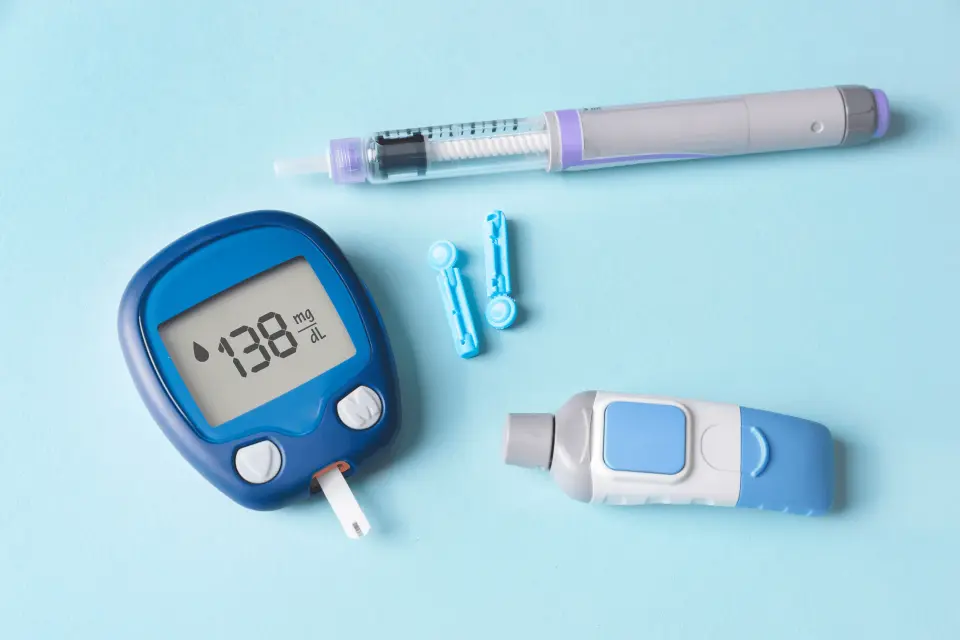
How to Get Prescribed Ozempic for Weight Loss
What Is Ozempic and How Does It Help with Weight Loss? Ozempic is a medication originally developed to treat type 2 diabetes, but it has gained…
Wegovy vs Ozempic: Which Is Better for Weight Loss?
Understanding Wegovy and Ozempic Wegovy and Ozempic have gained attention for their effectiveness in weight loss. Both contain the active ingredient…
How to Wean Off GLP-1s like Ozempic and Mounjaro
What GLP-1 Deintensification Actually Means Most patient conversations about GLP-1s frame the choice as binary: stay on the medication, or stop.…