
Ozempic Side Effects: What You Should Know

Medically reviewed by Alan Lucks | MD, Alan Lucks MDPC Private Practice - New York on November 28th, 2025.
Published on November 28th, 2025. Updated on July 23rd, 2026.
Key takeaways
Gastrointestinal symptoms affect 20-40% of patients during the first 4-8 weeks, with nausea being most common at 15-20% incidence rates across clinical trials.
Starting doses should begin at 0.25mg weekly for 4 weeks, then increase to 0.5mg—rapid dose escalation significantly increases side effect severity.
Injection site reactions occur in about 10% of users and can be minimized by rotating between thigh, abdomen, and upper arm locations each week.
Eating smaller, low-fat meals (under 30% fat content) and avoiding carbonated beverages reduces nausea intensity by approximately 60% in most patients.
Serious complications like pancreatitis occur in less than 0.2% of cases but require immediate medical attention if severe abdominal pain radiates to the back.
How Ozempic Supports Blood Sugar Control and Weight Loss
Ozempic has become a popular medication for managing type 2 diabetes and supporting weight loss. While it offers significant benefits, understanding its potential side effects is crucial for anyone considering or currently using this treatment. This guide breaks down what you need to know about Ozempic’s side effects, how to manage them, and when to seek medical advice.
Ozempic, a medication that mimics the effects of the hormone GLP-1, not only aids in blood sugar regulation but also plays a significant role in weight loss for individuals with type 2 diabetes. This dual action is particularly beneficial as it addresses two critical health concerns simultaneously. The medication works by enhancing insulin secretion in response to meals, which helps lower blood sugar levels while also promoting a feeling of fullness, thereby reducing overall caloric intake. Many users report significant weight loss, which can lead to improved overall health and a reduced risk of diabetes-related complications.
However, it is essential to be aware of the potential side effects associated with Ozempic. While many users tolerate the medication well, some may experience gastrointestinal issues such as bloating, constipation or diarrhea, especially when first starting the treatment. These side effects often diminish over time as the body adjusts to the medication. For those experiencing more severe reactions, such as pancreatitis or allergic responses, seeking immediate medical attention is crucial. Engaging with healthcare professionals through platforms like Doctronic.ai can provide personalized guidance and support, ensuring that users can navigate their treatment plans effectively while minimizing discomfort and maximizing benefits.
 What Is Ozempic and How Does It Work?
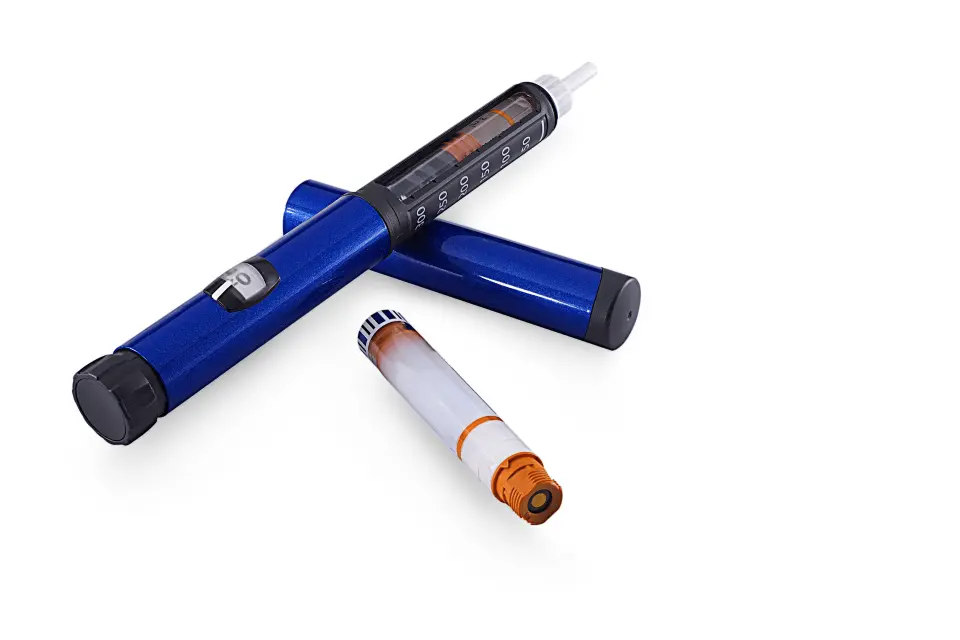
Ozempic is a brand name for semaglutide, a medication prescribed primarily for type 2 diabetes management. It mimics a hormone called GLP-1, which helps regulate blood sugar levels by stimulating insulin release and slowing digestion. This dual action not only improves glucose control but also promotes feelings of fullness, which can aid weight loss. As a result, many patients find that they not only achieve better glycemic control but also experience a reduction in appetite, making it easier to adhere to dietary recommendations.
Doctors often recommend Ozempic for patients who need better blood sugar control or want to reduce their risk of diabetes-related complications. It is administered as a once-weekly injection, making it convenient for many users. The simplicity of the dosing schedule can significantly improve adherence to the treatment plan, as patients do not have to remember to take a daily pill. Ozempic has been shown to have cardiovascular benefits, which is particularly important for individuals with type 2 diabetes who are at a higher risk for heart disease.
Why Understanding Side Effects Matters
Every medication carries the risk of side effects, and Ozempic is no exception. Knowing what to expect can help you identify normal reactions versus warning signs. This knowledge also empowers you to communicate effectively with your healthcare provider, ensuring your treatment stays safe and effective. Common side effects may include nausea, vomiting, constipation, headaches, and diarrhea, particularly when starting the medication, as your body adjusts to the changes in hormone levels. It's important to monitor these symptoms and report any severe or persistent issues to your doctor.
Understanding the potential side effects can help you make informed lifestyle choices while on Ozempic. For instance, some individuals may find that adjusting their diet to include smaller, more frequent meals can help mitigate gastrointestinal discomfort. Staying hydrated and incorporating light physical activity can also enhance overall well-being during the adjustment period. By being proactive about managing side effects, patients can maximize the benefits of Ozempic and improve their quality of life while effectively managing their diabetes.
Common Ozempic Side Effects
Nausea and Digestive Issues
Nausea is the most frequently reported side effect among Ozempic users. It usually occurs during the first few weeks as your body adjusts to the medication. Alongside nausea, some people experience vomiting, diarrhea, constipation, or stomach pain.
These symptoms often improve over time. Eating smaller meals and avoiding fatty or spicy foods can help reduce discomfort. Staying hydrated is also important, especially if vomiting or diarrhea occurs.
Injection Site Reactions
Since Ozempic is injected under the skin, some users notice redness, swelling, or itching at the injection site. These reactions are generally mild and temporary. Rotating injection sites each week can minimize irritation.
Other Mild Side Effects
Headache
Fatigue
Dizziness
Indigestion
These are less common but can occur. If they persist or worsen, it’s a good idea to check in with a healthcare professional.
Serious Side Effects to Watch For
Pancreatitis
Though rare, Ozempic has been linked to inflammation of the pancreas, known as pancreatitis. Symptoms include severe abdominal pain that may radiate to the back, nausea, and vomiting. If you experience these, seek medical help immediately.
Thyroid Tumors
Animal studies have shown a risk of thyroid C-cell tumors with semaglutide, but this has not been confirmed in humans. Still, patients with a history of medullary thyroid carcinoma or multiple endocrine neoplasia syndrome type 2 are advised to avoid Ozempic.
Hypoglycemia (Low Blood Sugar)
When combined with other diabetes medications, Ozempic can increase the risk of low blood sugar. Symptoms include sweating, shaking, confusion, and dizziness. Monitoring blood sugar regularly and discussing medication adjustments with your doctor is essential.
Managing Ozempic Side Effects Effectively
Start Slow and Communicate
Doctors often recommend starting Ozempic at a low dose and gradually increasing it. This approach helps your body adapt and reduces the intensity of side effects. Always report any troubling symptoms to your healthcare provider.
Use Telehealth for Convenient Support
Suppose you experience side effects or have questions about Ozempic. Telehealth platforms like Doctronic.ai offer quick access to medical advice. You can schedule video visits with licensed doctors 24/7 across all 50 states, often at a cost under $40. This service is especially useful when you need timely guidance without leaving home.
 Adjust Lifestyle Habits
Eat small, frequent meals to ease nausea.
Stay hydrated, particularly if digestive symptoms occur.
Avoid alcohol and smoking, which can worsen side effects.
Keep a symptom diary to track what triggers your discomfort.
Get Ozempic online today
A licensed doctor can review your symptoms and, if appropriate, send a prescription for Ozempic to your pharmacy, often the same day.
- $39 video visit
- Insurance accepted
- 4.8 on Trustpilot
Related medications we prescribe
- Glucophage metformin
- Jardiance empagliflozin
- Ozempic semaglutide
- Januvia sitagliptin
- Byetta exenatide
- Amaryl glimepiride
- Metaglip glipizide-metformin
- Jentadueto linagliptin-metformin
- Invokamet canagliflozin-metformin
- Oseni alogliptin-pioglitazone
- Starlix nateglinide
- Kazano alogliptin-metformin
- Glyxambi empagliflozin-linagliptin
- Glyset miglitol
- Victoza liraglutide
- Tanzeum albiglutide
- Symlin pramlintide
- Steglatro ertugliflozin
- Orinase tolbutamide
- Adlyxin lixisenatide
- Farxiga dapagliflozin
- Duetact pioglitazone-glimepiride
- Avandia rosiglitazone
- Glucovance glyburide-metformin
- Synjardy empagliflozin-metformin
- Kombiglyze Xr saxagliptin-metformin
- Fortamet metformin extended-release
- Xigduo Xr dapagliflozin-metformin
- Brenzavvy bexagliflozin
- Janumet sitagliptin-metformin
- Glucotrol glipizide er
- Actoplus Met pioglitazone-metformin
- Actos pioglitazone
- Qtern dapagliflozin-saxagliptin
- Nesina alogliptin
- Tolinase tolazamide
- Trulicity dulaglutide
- Mounjaro tirzepatide 10mg
- Bydureon exenatide er
- Humalog Injector
- Invokana canagliflozin
- Humalog U
- Lantus U
- Glyburide glibenclamide
- Pioglitazone
- Empagliflozin
- Novolin N U insulin nph
- Novolin R U insulin regular
- Metformin
- Glipizide
- Tresiba U insulin degludec
- Glimepiride
- Omnipod G5 insulin delivery system with cgm integration
- Mounjaro Injector
- Ozempic Injector
- Rybelsus semaglutide
- Trulicity Injector
When to Seek Medical Attention
While many side effects are manageable, some symptoms require prompt medical evaluation. Contact your healthcare provider or visit an emergency room if you experience:
Severe abdominal pain or persistent vomiting
Signs of allergic reaction, such as rash, swelling, or difficulty breathing
Symptoms of low blood sugar that do not improve with treatment
Unexplained weight loss or persistent fatigue
Using telehealth services like Doctronic.ai can help you quickly determine the urgency of your symptoms and get professional advice without delay.
Understanding Ozempic Side Effects Helps You Stay in Control
Ozempic offers meaningful benefits for people managing type 2 diabetes and weight concerns. Being informed about potential side effects prepares you to handle them confidently and seek help when needed. Remember, your healthcare journey is personal, and support is available around the clock through services like Doctronic.ai. This AI-powered telehealth platform combines the latest medical knowledge with personalized care, helping you navigate your treatment safely and effectively.
Frequently Asked Questions
Ozempic is more commonly associated with weight loss due to its appetite-suppressing effects. Weight gain is not typical but can occur if lifestyle factors counteract the medication’s benefits.
Most side effects, especially nausea and digestive issues, tend to improve within a few weeks as your body adjusts. If symptoms persist beyond a month, consult your healthcare provider.
Ozempic is often prescribed alongside other diabetes drugs, but this can increase the risk of low blood sugar. Always discuss your full medication list with your doctor to adjust dosages safely.
Never stop or change your medication without consulting your healthcare provider. They can help you manage side effects or consider alternative treatments if necessary.
Telehealth platforms like Doctronic.ai provide fast, affordable access to doctors who can answer your questions and guide your care from anywhere in the US.
References
How Ozempic® Works to Lower A1C | Ozempic® (semaglutide) injection
Glycemic Control for Type 2 Diabetes Mellitus Patients: A Systematic Review - PMC
The Bottom Line
Most side effects resolve within 6-8 weeks as your body adjusts, and starting with the lowest dose while making simple dietary changes dramatically improves tolerance. The key is patience during the initial adjustment period and never skipping doses, which can restart the side effect cycle. If you're experiencing persistent symptoms or have concerns about your reaction to treatment, Doctronic can provide quick medical guidance.
Related articles

Ask about Ozempic side effects
Chat Now