

Weight Management
How to Get a Wegovy Prescription Online for Weight Loss (2026 Guide)
August 26, 2025
9 min read

Medically reviewed by Alan Lucks | MD, Alan Lucks MDPC Private Practice - New York on November 24th, 2025.
Published on November 24th, 2025. Updated on July 23rd, 2026.
Both medications cause high rates of GI side effects during dose titration: nausea (Zepbound 29%, Wegovy 44%), diarrhea (21% vs 30%), vomiting (12% vs 24%), and constipation (12% vs 24%)—starting low and escalating slowly helps.
Zepbound (tirzepatide) acts on both GIP and GLP-1 receptors while Wegovy (semaglutide) targets only GLP-1; the dual mechanism may explain slightly different side effect profiles and Zepbound's greater average weight loss (21% vs 15%).
Serious but rare risks are similar for both: pancreatitis (0.1-0.5%), gallbladder disease (1-2% requiring cholecystectomy), and a theoretical thyroid cancer risk based on animal studies leading to boxed warnings.
Injection site reactions occur in 3-5% with both drugs; rotating injection sites (abdomen, thigh, upper arm), ensuring proper technique, and letting the medication reach room temperature before injection reduces reactions.
Discontinuation due to side effects runs 4-6% for Zepbound and 6-8% for Wegovy in clinical trials; most who persist through initial weeks find symptoms improve substantially as the body adjusts.
Both Zepbound and Wegovy represent significant advancements in the field of obesity management, offering new hope for individuals struggling with weight-related health issues. The mechanisms of action for these medications are rooted in their ability to mimic hormones that regulate appetite and glucose metabolism, which not only aids in weight loss but can also lead to improvements in overall metabolic health. This is particularly important as obesity is often linked to a myriad of health complications, including type 2 diabetes, cardiovascular disease, and metabolic syndrome.
The introduction of telehealth services has revolutionized how patients access these treatments. With Doctronic.ai, individuals can receive personalized care and guidance from healthcare professionals without the need for in-person visits. This is especially beneficial for those who may feel stigmatized or overwhelmed by traditional healthcare settings. Telehealth not only facilitates easier access to prescriptions but also allows for ongoing monitoring and support, ensuring that patients can navigate their weight management journey with confidence and receive timely adjustments to their treatment plans as needed.
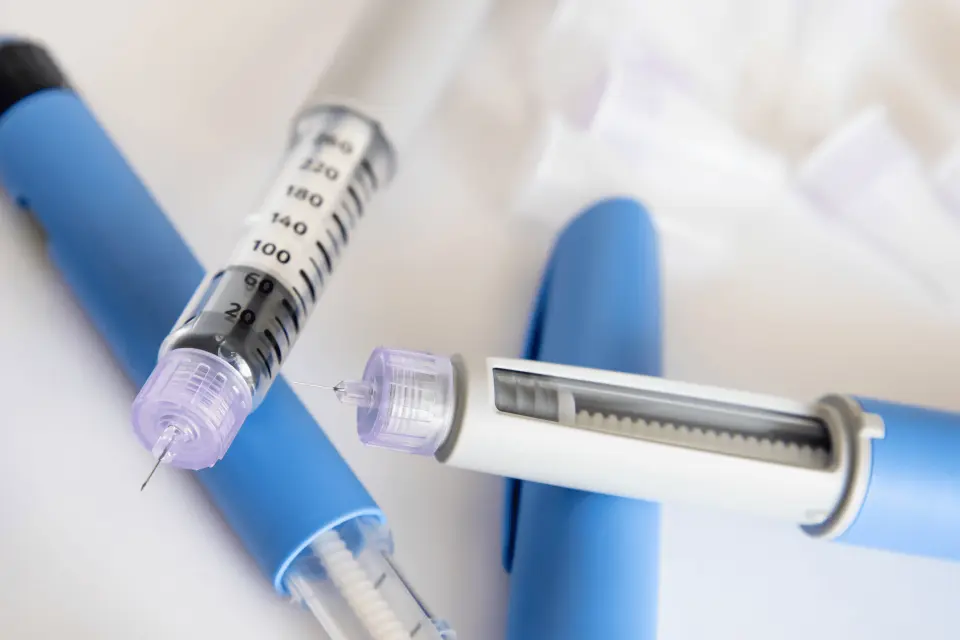 Understanding Zepbound and Wegovy
Zepbound and Wegovy are FDA-approved medications designed to assist adults struggling with obesity or overweight conditions. Both are injectables that help regulate appetite and promote weight loss, but they do so through slightly different biological pathways. Zepbound activates two hormone receptors: glucose-dependent insulinotropic polypeptide (GIP) and glucagon-like peptide-1 (GLP-1). Wegovy, on the other hand, primarily targets the GLP-1 receptor.
These medications are prescribed as part of a broader weight management plan that includes lifestyle changes such as diet and exercise. Zepbound also has an additional indication for moderate to severe obstructive sleep apnea (OSA) in adults with obesity, offering benefits beyond weight loss by reducing airway obstruction during sleep.
Both drugs reduce hunger and slow gastric emptying, which helps patients feel full longer and eat less. The dual receptor activation by Zepbound is thought to enhance its effectiveness in regulating metabolism and appetite. Wegovy’s selective GLP-1 receptor activation has been widely studied and used for weight loss, making it a popular choice among patients and healthcare providers.
Both Zepbound and Wegovy can cause gastrointestinal side effects, which are the most frequently reported issues. These include:
Nausea
Diarrhea
Constipation
Abdominal discomfort
Reduced appetite
These symptoms often occur during the initial weeks of treatment as the body adjusts to the medication. They tend to decrease over time, but can be bothersome enough for some patients to require medical advice or dose adjustments.
Zepbound’s dual receptor activation can sometimes lead to side effects not as commonly seen with Wegovy. While nausea and digestive issues remain common, patients should be aware of the following:
Potential increased risk of thyroid-related issues, especially for those with a personal or family history of medullary thyroid carcinoma (MTC) or multiple endocrine neoplasia syndrome type 2 (MEN2). Zepbound is contraindicated in these cases.
Because Zepbound impacts insulin release, patients with diabetes or blood sugar regulation issues should be closely monitored.
It’s important to communicate any unusual symptoms or concerns with a healthcare provider, especially when starting Zepbound.
Wegovy’s side effect profile is similar but with some nuances:
Injection site reactions, such as redness or swelling, are more commonly reported.
Some patients experience headaches or fatigue during the first few weeks.
Rare cases of pancreatitis have been reported, so patients should be alert to symptoms like severe abdominal pain.
Both medications require careful monitoring, especially during the early treatment phase.
Before starting either medication, a thorough medical evaluation is essential. Zepbound should not be used by individuals with a history of certain thyroid cancers or endocrine disorders. Wegovy also has specific contraindications, including a personal or family history of medullary thyroid carcinoma.
Zepbound offers an additional benefit for adults with moderate to severe obstructive sleep apnea (OSA) related to obesity. Promoting weight loss helps reduce fat deposits around the airway, decreasing airway collapse during sleep. This effect is indirect but clinically significant. Wegovy does not have an FDA indication for OSA, making Zepbound a preferred option for patients with this condition.
Starting medications like Zepbound or Wegovy requires careful planning and follow-up. Patients should work closely with healthcare providers to monitor side effects and adjust dosing if necessary. Telehealth services such as Doctronic.ai offer convenient, affordable access to qualified doctors who can guide patients through treatment, answer questions, and provide timely medical advice from anywhere in the U.S.
Start with a lower dose and gradually increase as recommended by your doctor to reduce gastrointestinal discomfort.
Stay hydrated and maintain a balanced diet to help manage nausea and constipation.
Report any severe or persistent symptoms immediately to your healthcare provider.
Keep a symptom diary to track side effects and share with your doctor during follow-up visits.
Both medications have shown impressive results in clinical trials, with many patients achieving significant and sustained weight loss. Zepbound’s dual receptor action may offer enhanced metabolic benefits for some individuals, while Wegovy’s longer track record provides extensive real-world data.
Both drugs are administered as once-weekly injections, making them convenient for most patients. However, access to care and ongoing support can influence treatment success. Using telehealth platforms like Doctronic.ai can simplify prescription management and provide continuous support without the need for in-person visits.
Get Zepbound online today
A licensed doctor can review your symptoms and, if appropriate, send a prescription for Zepbound to your pharmacy, often the same day.
Related medications we prescribe
 Choosing Between Zepbound and Wegovy
Choosing the right medication depends on individual health profiles, medical history, and treatment goals. Patients with obesity-related OSA might benefit more from Zepbound, while others may prefer Wegovy based on tolerability or previous experiences.
Discussing options with a healthcare provider is crucial. Telehealth services such as Doctronic.ai provide an accessible way to explore these options, get personalized advice, and start treatment safely.
Zepbound and Wegovy both offer powerful tools for weight management with side effects that are generally manageable under medical supervision. Understanding the differences in their side effect profiles helps patients and providers make informed decisions. Always prioritize professional guidance, especially when dealing with complex health conditions or potential contraindications.
Switching medications should only be done under medical supervision. Your healthcare provider can help determine if switching is appropriate based on your side effects and treatment response.
Most side effects are temporary and tend to improve as your body adjusts to the medication. Persistent or severe side effects should be discussed with your doctor immediately.
Many patients begin to see weight loss within the first few weeks, but significant and sustained results typically require ongoing treatment combined with lifestyle changes.
Yes. Telehealth platforms like Doctronic.ai offer convenient, affordable access to healthcare providers who can prescribe, monitor, and adjust treatment plans without the need for in-person visits.
No. The improvement in obstructive sleep apnea with Zepbound is due to weight loss, which reduces airway obstruction. It does not directly affect sleep centers or sleep patterns.
GI side effects are common with both medications but usually temporary and manageable with slow dose escalation and dietary modifications. Doctronic can help you choose between these options based on your health profile and monitor for side effects during treatment.
Ask about Zepbound vs Wegovy side effects
Chat Now