
Zepbound Constipation - How to Manage It

Medically reviewed by Alan Lucks | MD, Alan Lucks MDPC Private Practice - New York on November 25th, 2025.
Published on November 24th, 2025. Updated on July 23rd, 2026.
Key takeaways
Tirzepatide slows gastric emptying by 30 to 50% through dual GLP-1 and GIP receptor activation, causing food to move more slowly through the digestive tract and leading to harder, less frequent stools.
Clinical studies show 15 to 30% of patients experience Zepbound constipation, typically within the first 4 to 8 weeks of treatment as the body adjusts to altered digestive hormone levels.
Normal bowel movement frequency can drop from daily to every 2 to 4 days, with stools becoming harder and requiring more straining, and these symptoms can persist throughout treatment.
Over-the-counter polyethylene glycol (MiraLAX) at 17 grams daily or docusate sodium 100 mg twice daily are first-line treatments, with prescription lubiprostone reserved for severe cases.
Increasing soluble fiber intake to 25 to 35 grams daily through oats, beans, and fruits is more effective than insoluble fiber, and maintaining 64 or more ounces of fluid intake daily helps prevent worsening symptoms.
How Zepbound Supports Weight Loss and Strategies for Reducing GI Symptoms
Zepbound (tirzepatide) does cause constipation in a meaningful share of patients. Clinical studies show 15 to 30% of users experience it, usually within the first 4 to 8 weeks. It happens because the drug slows gastric emptying through dual GLP-1 and GIP receptor activation, making food move more slowly through the digestive tract. The good news is that it is manageable with the right strategies.
It is also important to recognize that while Zepbound can be beneficial, the side effects, particularly gastrointestinal issues like constipation, can be challenging for some patients. To mitigate these effects, healthcare providers often recommend a diet rich in fiber, including fruits, vegetables, and whole grains, alongside adequate fluid intake. Regular physical activity is also encouraged, as it not only aids in digestion but can enhance the overall effectiveness of the treatment. Patients are advised to keep a symptom diary to track their experiences and discuss them during follow-up appointments, ensuring a tailored approach to their treatment plan.
Understanding Zepbound and Its Side Effects
What is Zepbound?
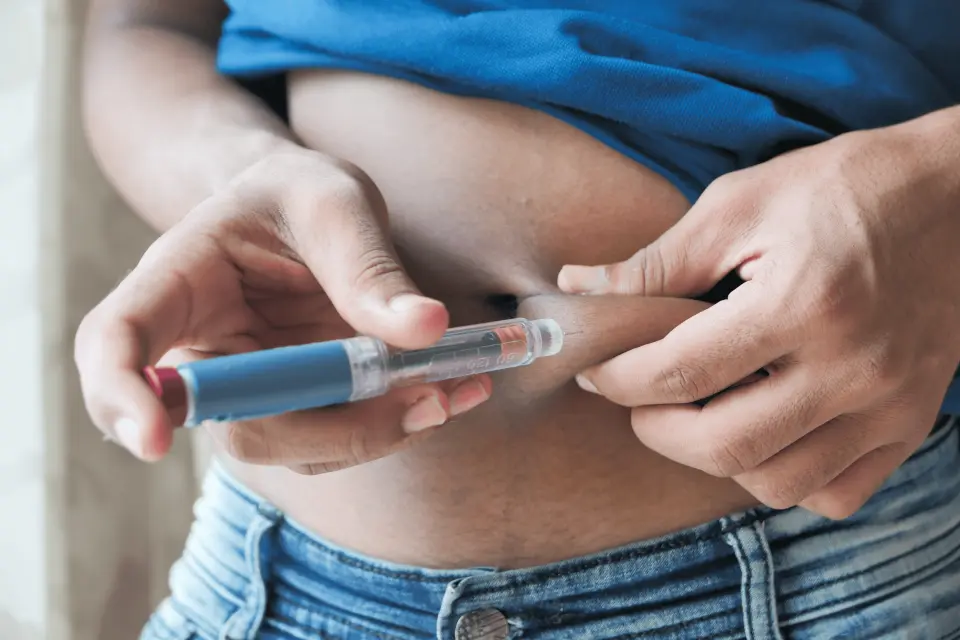
Zepbound, also known by its generic name tirzepatide, is a once-weekly injectable medication approved by the FDA for adults struggling with obesity or being overweight. It also helps adults with moderate to severe obstructive sleep apnea (OSA) linked to obesity. The drug works by activating two hormone pathways, GIP and GLP-1, that regulate appetite, digestion, and feelings of fullness. This dual action helps reduce hunger and slow stomach emptying, leading to significant and sustained weight loss.
Why Does Zepbound Cause Constipation?
Zepbound slows gastric emptying by 30 to 50% through its dual GLP-1 and GIP receptor activity. This causes food to move more slowly through the digestive tract, resulting in harder and less frequent stools. Normal bowel movement frequency can drop from daily to every 2 to 4 days. These symptoms typically appear in the first 4 to 8 weeks and can persist throughout treatment, but they are manageable with the right approach.
Recognizing and Managing Constipation on Zepbound
Signs of Constipation to Watch For
Constipation typically involves fewer than three bowel movements per week, hard or lumpy stools, straining during bowel movements, and a sensation of incomplete evacuation. If you notice these symptoms after starting Zepbound, it’s important to address them early to avoid complications like hemorrhoids or discomfort.
Dietary Adjustments
One of the most effective ways to combat constipation is through diet. Increasing fiber intake by eating more fruits, vegetables, whole grains, and legumes helps soften stool and promote regularity. Fiber supplements can also be useful, but it’s best to discuss these with your healthcare provider.
Hydration is Key
Drinking plenty of water is essential when increasing fiber intake. Fluids help fiber do its job by softening stool and easing its passage through the digestive tract. Aim for at least 8 cups of water daily, adjusting based on your activity level and climate.
Stay Active
Physical activity stimulates bowel function. Even light exercise like walking for 20 to 30 minutes daily can help reduce constipation. Regular movement encourages intestinal contractions that move stool along efficiently.
When to Use Over-the-Counter Remedies
If lifestyle changes aren’t enough, over-the-counter options like stool softeners or mild laxatives may provide relief. However, these should be used sparingly and under medical guidance to avoid dependency or worsening symptoms.
First-Line Treatments for Zepbound Constipation
When dietary changes and extra fluids are not enough on their own, there are several evidence-based options that can help. Knowing which ones to reach for first makes a real difference in staying comfortable and staying on track with treatment.
Over-the-Counter Options
Polyethylene glycol, sold as MiraLAX, is the most commonly recommended first-line treatment for Zepbound-related constipation. A standard dose of 17 grams dissolved in water daily softens stool by drawing fluid into the colon without causing cramping or urgency. Docusate sodium (Colace) at 100 mg twice daily is another gentle option that acts as a stool softener rather than a stimulant laxative, making it suitable for regular use. Both options are available without a prescription and are generally well tolerated.
Stimulant laxatives like bisacodyl or senna can provide faster relief for occasional, stubborn constipation, but they are best used sparingly. Relying on them too frequently can interfere with the natural muscle tone of the colon over time.
Soluble Fiber Supplements
Not all fiber works the same way when you are on a GLP-1 based medication. Soluble fiber, found in supplements like psyllium husk (Metamucil) as well as in oats, beans, and fruit, absorbs water to form a soft gel in the intestine. This makes stool easier to pass. Insoluble fiber, by contrast, adds bulk but can worsen discomfort if you are not drinking enough fluids. Aim for 25 to 35 grams of total fiber per day, with the majority coming from soluble sources.
Prescription Options for Severe Cases
For patients who do not respond to over-the-counter remedies, a prescriber may consider lubiprostone, a prescription secretagogue that increases fluid secretion in the intestine. This is typically reserved for cases where constipation is significantly affecting quality of life or adherence to Zepbound therapy. Our AI doctor can help you evaluate whether your symptoms warrant a prescription option and connect you with a licensed provider quickly.
Hydration as a Foundation
Every treatment strategy for Zepbound constipation works better when paired with consistent fluid intake. A target of 64 or more ounces of water daily is a practical starting point. Warm liquids in the morning, such as warm water with lemon, can also help stimulate bowel activity and are a simple habit to build into a daily routine.
Working with Healthcare Providers for Safe Management
Why Medical Guidance Matters
Constipation while on Zepbound should never be ignored. Persistent or severe symptoms require professional evaluation to rule out other causes and adjust treatment if necessary. Your healthcare provider can recommend safe remedies and monitor for side effects.
Using Telehealth for Convenient Care
Doctronic.ai makes it easier than ever to access expert medical advice from home. Doctronic offers affordable video visits with licensed doctors 24/7 across all 50 states, perfect for discussing side effects like constipation without waiting weeks for an appointment. The AI-powered system also provides fast, personalized answers and treatment recommendations based on the latest medical research.
Monitoring and Reporting Side Effects
Keep a symptom diary to track bowel habits, diet, hydration, and any remedies you try. Share this information with your healthcare provider during visits. Promptly report any severe abdominal pain, blood in stool, or sudden changes in bowel patterns.
Get Zepbound online today
A licensed doctor can review your symptoms and, if appropriate, send a prescription for Zepbound to your pharmacy, often the same day.
- $39 video visit
- Insurance accepted
- 4.8 on Trustpilot
Related medications we prescribe
- Zepbound tirzepatide 15mg
- Wegovy semaglutide 2.4mg
- Saxenda liraglutide 3mg
- Mounjaro tirzepatide 10mg
- Wegovy Injector
Balancing Zepbound Benefits with Side Effect Management
Why Staying on Zepbound Matters
Zepbound’s weight loss benefits can significantly improve health outcomes, including reducing the severity of obstructive sleep apnea and lowering risks related to obesity. Managing side effects like constipation is key to maintaining treatment adherence and achieving long-term success.
Incorporating Lifestyle Changes
Medication alone isn’t enough. Combining Zepbound with healthy eating, regular exercise, and medical follow-up maximizes weight loss and overall wellness. These habits also naturally support digestive health, helping prevent constipation.
Personalized Care with AI Assistance
Doctronic’s AI-powered primary care offers a unique advantage by remembering your medical history and preferences, providing tailored advice every time you consult. This personalized approach ensures side effect management strategies fit your lifestyle and health goals.
Living Well While Taking Zepbound
Tips for Daily Comfort
Maintain a regular meal schedule to support digestion.
Avoid excessive caffeine and alcohol, which can dehydrate and worsen constipation.
Practice relaxation techniques to reduce stress, which can affect bowel function.
Use gentle abdominal massage to stimulate bowel movements if advised by your doctor.
When to Seek Immediate Help
Contact your healthcare provider or use telehealth services like Doctronic.ai if you experience severe abdominal pain, vomiting, inability to pass gas or stool, or blood in your stool. These symptoms require urgent evaluation.
Managing Zepbound Constipation for a Healthier Journey
Zepbound offers a powerful tool for weight management and improving obesity-related conditions like obstructive sleep apnea. While constipation can be an uncomfortable side effect, it is manageable with the right strategies. Prioritizing hydration, fiber intake, physical activity, and staying in close contact with healthcare providers ensures you can continue benefiting from Zepbound safely. Telehealth platforms such as Doctronic.ai make expert medical care accessible anytime, helping you navigate side effects without hassle. With informed care and lifestyle adjustments, living well on Zepbound is within reach.
Frequently Asked Questions
Zepbound causes constipation in roughly 15 to 30% of patients based on clinical trial data. It is one of the most common gastrointestinal side effects of the medication. The risk is highest during the first 4 to 8 weeks and when the dose is increased, because the drug's effect on slowing gastric emptying becomes more pronounced at higher doses.
For many patients, constipation improves after the first few weeks as the body adjusts to the medication. However, it can persist throughout treatment for some people, especially at higher doses. Consistent dietary and hydration strategies usually help keep symptoms manageable over the long term.
Polyethylene glycol (MiraLAX) at 17 grams daily is generally the first choice because it works gently by drawing water into the colon without causing cramping. Docusate sodium 100 mg twice daily is a good stool-softener alternative. Stimulant laxatives like bisacodyl can help for occasional flare-ups but should not be used every day.
Constipation alone is rarely a reason to stop Zepbound. Most cases respond well to dietary changes, increased fluids, and over-the-counter remedies. You should contact a doctor if you experience severe abdominal pain, blood in the stool, or are unable to pass gas or stool, as these can signal a more serious problem that needs prompt evaluation.
Adding too much insoluble fiber too quickly without enough fluid can temporarily worsen bloating and constipation. Soluble fiber, from sources like oats, psyllium husk, beans, and fruit, is a better choice because it forms a soft gel in the gut that eases stool passage. Increase fiber gradually and always pair it with at least 64 ounces of water per day.
The Bottom Line
This digestive side effect affects up to one-third of patients but responds well to proactive management combining increased fluid intake, soluble fiber, and gentle laxatives when needed. Early intervention prevents symptoms from becoming severe and allows patients to continue their weight management treatment successfully. If you're experiencing persistent bowel changes on tirzepatide, Doctronic can help you develop an effective management strategy.
Related articles
Get weight loss guidance
Chat Now