
Zepbound and Pancreatitis - Risks to Know

Medically reviewed by Alan Lucks | MD, Alan Lucks MDPC Private Practice - New York on November 25th, 2025.
Published on November 24th, 2025. Updated on July 23rd, 2026.
Key takeaways
Tirzepatide-induced pancreatitis occurs in less than 0.2% of patients, but carries a 10-15% mortality risk when severe necrotizing pancreatitis develops.
Symptoms typically appear within the first 30 days of treatment or after dose increases, with pain often mistaken for gallbladder issues since it radiates from upper abdomen to the back.
Patients with a history of pancreatitis, gallstones, or triglyceride levels above 500 mg/dL face significantly higher risk and may not be candidates for treatment.
Lipase levels elevated 3 times above normal (>150 U/L) combined with characteristic pain patterns confirm the diagnosis—continuing the medication can lead to pancreatic necrosis.
Complete recovery usually occurs within 1-2 weeks after discontinuation for mild cases, though severe episodes may require weeks of hospitalization with IV fluids and pain management.
Maximizing Zepbound’s Benefits Through Holistic Care and Ongoing Monitoring
Zepbound works by mimicking the effects of certain hormones that regulate appetite and glucose metabolism, making it a powerful tool in the fight against obesity. Patients using this medication often report not only weight loss but also improvements in their overall health, including better blood sugar control and enhanced energy levels. However, it is essential for users to approach this treatment with a comprehensive plan that includes dietary adjustments and regular physical activity. This holistic approach not only maximizes the benefits of Zepbound but also promotes sustainable weight loss and improved well-being.
As with any medication, the importance of monitoring and follow-up cannot be overstated. Patients should be vigilant about any unusual symptoms and report them to their healthcare provider promptly. Regular check-ins can help mitigate risks associated with Zepbound, such as pancreatitis, which can manifest as severe abdominal pain, nausea, or vomiting. Utilizing telehealth platforms like Doctronic.ai can facilitate these communications, allowing patients to receive timely advice and support from healthcare professionals without the need for in-person visits. This can be particularly beneficial for those with busy schedules or those living in remote areas, ensuring that they stay informed and engaged in their treatment journey.
What Is Zepbound and How Does It Work?
A Powerful Tool for Weight Management
Zepbound, known generically as tirzepatide, is a once-weekly injectable medication approved by the FDA to help adults with obesity or overweight manage their weight. It activates two hormone pathways-GIP and GLP-1-that naturally regulate appetite, digestion, insulin release, and feelings of fullness. This dual action reduces hunger and slows stomach emptying, making it easier for patients to lose weight and maintain that loss over time.
Impact on Obstructive Sleep Apnea
For adults with moderate to severe obstructive sleep apnea (OSA) linked to obesity, Zepbound offers an indirect benefit. By reducing weight, it decreases fat deposits around the airway, which lessens airway collapse during sleep. This improvement in OSA symptoms occurs even though Zepbound does not directly affect brain sleep centers or sleep patterns.
Understanding Pancreatitis and Its Connection to Zepbound
What Is Pancreatitis?
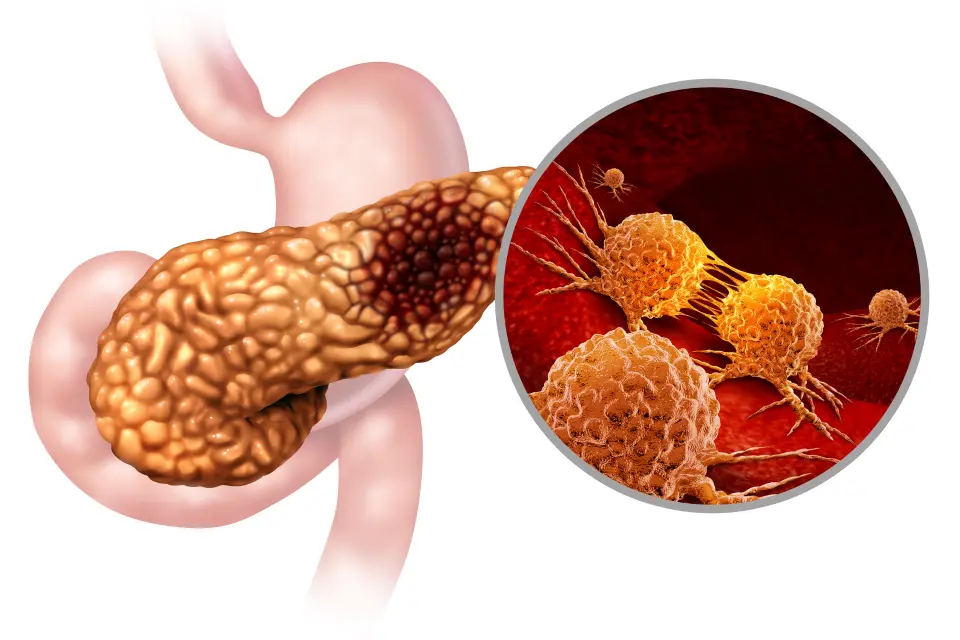
Pancreatitis is inflammation of the pancreas, an organ that plays a vital role in digestion and blood sugar regulation. It can be acute or chronic and causes symptoms like severe abdominal pain, nausea, vomiting, and fever. If left untreated, pancreatitis can lead to serious complications, including organ failure.
Why Is Pancreatitis a Concern with Zepbound?
Medications that activate GLP-1 receptors, like Zepbound, have been associated with rare cases of pancreatitis. While the risk is low, it is important for patients and healthcare providers to remain vigilant. The pancreas is involved in hormone regulation, and stimulating these pathways can sometimes trigger inflammation.
Recognizing Symptoms Early
- Sudden, severe pain in the upper abdomen that may radiate to the back
- Nausea and vomiting
- Fever and rapid pulse
- Swollen or tender abdomen
If any of these symptoms occur, immediate medical attention is necessary. Early diagnosis and treatment can prevent complications.
Managing Risks While Using Zepbound
Who Should Avoid Zepbound?
Zepbound is not suitable for everyone. It should not be used by individuals with a personal or family history of medullary thyroid carcinoma (MTC) or multiple endocrine neoplasia syndrome type 2 (MEN2). Those with pancreatitis or a history of pancreatic disorders should inform their healthcare provider before starting treatment.
Monitoring and Communication
Regular medical follow-up is essential when using Zepbound. Patients should report any unusual symptoms promptly. Telehealth platforms like Doctronic.ai provide quick and affordable access to doctors who can evaluate symptoms, offer second opinions, and adjust treatment plans as needed. This 24/7 service is available across all 50 states and can be a valuable resource for ongoing care.
Combining Medication with Lifestyle Changes
Weight loss success with Zepbound is best supported by healthy eating, physical activity, and behavioral changes. These efforts not only improve overall health but may also reduce the risk of side effects, including pancreatitis. Patients should work closely with their healthcare team to develop a sustainable plan.
What to Expect During Zepbound Treatment
Common Side Effects
Patients may experience side effects such as nausea, reduced appetite, diarrhea, constipation, and abdominal discomfort. These symptoms often improve over time as the body adjusts to the medication. However, persistent or severe symptoms warrant medical evaluation.
Importance of Consistent Dosing
Zepbound is administered once weekly, and maintaining a consistent schedule is critical. Skipping doses or irregular use can reduce effectiveness and increase the risk of adverse effects. Patients should discuss any missed doses or concerns with their healthcare provider promptly.
Why Choose Doctronic.ai for Telehealth Support?
Accessible, Affordable, and Trusted Care
Doctronic.ai is revolutionizing direct-to-patient care with AI-powered primary care and telehealth video visits. With over 10 million users, it offers fast, smart, and highly personalized medical support. Whether you have questions about Zepbound, need a second opinion, or want to discuss symptoms like those of pancreatitis, Doctronic.ai connects you with qualified doctors anytime, anywhere.
How Doctronic.ai Enhances Your Treatment Journey
Unlike traditional urgent care centers, Doctronic.ai provides comprehensive AI-driven medical insights combined with real doctor consultations, all for under $40 per visit. This blend of technology and human expertise ensures you get the most modern medicine tailored to your unique health history. The platform remembers your previous visits and health details, making each interaction more personal and effective.
Get Zepbound online today
A licensed doctor can review your symptoms and, if appropriate, send a prescription for Zepbound to your pharmacy, often the same day.
- $39 video visit
- Insurance accepted
- 4.8 on Trustpilot
Related medications we prescribe
- Zepbound tirzepatide 15mg
- Wegovy semaglutide 2.4mg
- Saxenda liraglutide 3mg
- Mounjaro tirzepatide 10mg
- Wegovy Injector
Staying Safe and Informed
Regular Check-Ins Matter
Frequent communication with your healthcare provider can catch early warning signs of pancreatitis or other complications. Using telehealth services like Doctronic.ai makes these check-ins easier and more convenient, especially if you live in areas with limited access to specialists.
Know When to Seek Emergency Care
If you experience sudden, severe abdominal pain or other symptoms suggestive of pancreatitis, do not delay. Emergency medical evaluation is critical to prevent serious outcomes. In less urgent situations, reach out to your doctor via telehealth for guidance.
Empowering Your Health Decisions
Choosing to use Zepbound for weight management can be life-changing, especially for those struggling with obesity-related conditions like obstructive sleep apnea. Understanding the potential risks, including pancreatitis, helps you make informed decisions and stay proactive about your health. With the right support system, including reliable telehealth platforms such as Doctronic.ai, you can navigate treatment safely and effectively.
Frequently Asked Questions
While rare, pancreatitis has been reported in patients using GLP-1 receptor agonists like Zepbound. It is important to monitor symptoms and consult your healthcare provider immediately if you experience signs of pancreatitis.
Maintaining regular medical check-ups, reporting any abdominal pain or digestive issues promptly, and following prescribed dosing schedules help reduce risks. Combining medication with healthy lifestyle changes also supports overall pancreatic health.
Yes. Doctronic.ai offers quick access to doctors who can assess symptoms, provide advice, and adjust treatment plans without the need for in-person visits.
Contact your healthcare provider or use telehealth services to get guidance on when to take your next dose. Avoid doubling doses unless instructed by a medical professional.
Zepbound is primarily effective for OSA related to obesity. Patients with anatomical or other causes of sleep apnea may not experience the same benefits and should discuss alternative treatments with their doctor.
The Bottom Line
This rare but serious side effect requires immediate medication discontinuation and emergency care when symptoms develop. Anyone starting tirzepatide should know the warning signs since early intervention prevents life-threatening complications. If you're experiencing severe abdominal pain while on weight loss medication, Doctronic can help you determine if immediate medical attention is needed.
Related articles
Get weight loss guidance
Chat Now