
Treatments and Prevention
How Can I Get Zepbound? Prescription, Coverage & Access Guide
November 23, 2025
8 min read

Medically reviewed by Alan Lucks | MD, Alan Lucks MDPC Private Practice - New York on November 24th, 2025.
Published on November 24th, 2025. Updated on July 23rd, 2026.
Tirzepatide works as a GLP-1/GIP receptor agonist that slows gastric emptying and reduces appetite, but doesn't directly interact with sleep neurotransmitters or circadian rhythm pathways.
Weight reduction of 15-20% (typical with this medication) decreases neck circumference and pharyngeal fat deposits, reducing sleep apnea episodes by up to 40% in obese patients.
Initial side effects including nausea, vomiting, and diarrhea peak during the first 4-8 weeks of treatment and may temporarily disrupt sleep patterns until the body adjusts.
Patients should take their weekly injection at the same time of day, preferably morning, to minimize potential evening GI discomfort that could interfere with bedtime routines.
Sleep improvements typically become noticeable after 3-6 months of consistent use as significant weight loss accumulates and breathing mechanics improve during rest.
Zepbound supports meaningful weight loss, and losing weight can lead to improvements in many obesity-related conditions, such as high blood pressure, type 2 diabetes risk, and cardiovascular risk factors. These changes occur as a result of weight loss rather than Zepbound directly treating those conditions. The multifaceted benefits of losing weight can create a positive feedback loop, where improved health leads to enhanced motivation and adherence to healthy lifestyle changes. This holistic approach is crucial, as it not only addresses the physical aspects of weight management but also the psychological components, fostering a healthier relationship with food and exercise.
The importance of a supportive healthcare team cannot be overstated. Engaging with nutritionists, fitness trainers, and mental health professionals can provide patients with a comprehensive support system. This team can help tailor a personalized plan that complements the use of Zepbound, ensuring that patients receive guidance on meal planning, exercise routines, and coping strategies for any emotional challenges that may arise during their weight loss journey. Such a collaborative approach can enhance the effectiveness of Zepbound and promote sustainable lifestyle changes, ultimately leading to improved quality of life and better sleep outcomes.
 Understanding Zepbound: What It Is and How It Works
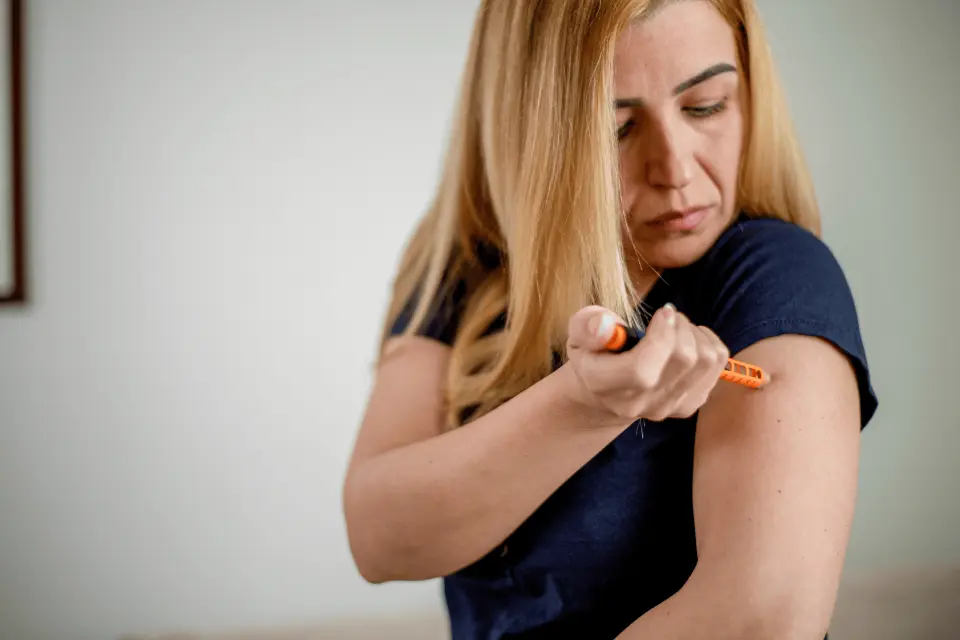
Zepbound, known generically as tirzepatide, is a once-weekly injectable medication approved by the FDA for chronic weight management in adults with obesity or overweight. It is also approved for treating moderate to severe obstructive sleep apnea (OSA) in adults with obesity. Unlike traditional sleep medications, Zepbound works by targeting hormone pathways that regulate appetite and digestion, helping patients lose weight over time.
Zepbound activates two hormone receptors, GIP and GLP-1, which naturally occur in the body. These receptors help control hunger, slow stomach emptying, and improve insulin release. By reducing appetite and promoting fullness, Zepbound supports significant and sustained weight loss. This weight loss can reduce fat deposits around the airway, which is a common cause of airway collapse during sleep in patients with OSA.
While Zepbound does not directly influence sleep centers in the brain or regulate sleep cycles, its ability to reduce weight often leads to improved breathing and reduced severity of sleep apnea. This indirect effect can contribute to better overall sleep quality for many patients.
Zepbound is not designed to treat insomnia, nor is it known to cause it directly. However, some patients report changes in sleep patterns when starting new medications, especially those that affect appetite and digestion. Common side effects such as nausea, abdominal discomfort, and changes in appetite can sometimes interfere with sleep, particularly during the initial weeks of treatment.
If nausea or digestive discomfort disrupts your sleep, it’s important to communicate this with your healthcare provider. Adjusting the timing of your injection or modifying your diet can sometimes alleviate these symptoms. Staying hydrated and avoiding heavy meals close to bedtime may also help improve sleep quality.
Obesity is a major risk factor for obstructive sleep apnea and can worsen insomnia symptoms. Excess weight around the neck and upper airway increases the likelihood of airway collapse during sleep, leading to frequent awakenings and poor sleep quality. By promoting weight loss, Zepbound can help reduce these physical obstructions, allowing for more restful sleep.
For the best results, Zepbound should be combined with lifestyle changes. Regular physical activity, a balanced diet, and good sleep hygiene practices are essential. These habits not only support weight loss but also improve overall metabolic health and sleep quality.
Patients experiencing insomnia alongside weight management efforts should consider behavioral strategies such as:
Maintaining a consistent sleep schedule
Limiting screen time before bed
Creating a relaxing bedtime routine
Avoiding caffeine and heavy meals in the evening
Managing weight and sleep disorders can be complex, requiring ongoing medical guidance. Telehealth platforms like Doctronic.ai offer affordable, 24/7 access to licensed doctors across all 50 states. Doctronic’s AI-powered system provides quick, personalized answers to health questions and can connect patients to video visits with real doctors for treatment and follow-up.
With over 10 million users, Doctronic is revolutionizing primary care by combining AI expertise with human doctors. This makes it easier than ever to get support for medication management, side effect monitoring, and lifestyle advice without leaving home.
If insomnia persists or worsens while using Zepbound, or if you experience severe side effects, it’s crucial to seek medical advice promptly. Sleep disturbances can impact your overall health and the effectiveness of your weight management plan. Using Doctronic.ai allows you to get timely care and adjust your treatment as needed.
 What to Keep in Mind When Using Zepbound
Zepbound should not be used by individuals with a personal or family history of medullary thyroid carcinoma (MTC) or multiple endocrine neoplasia syndrome type 2 (MEN2). Patients with sleep apnea caused by anatomical abnormalities rather than obesity may not experience the same benefits from this medication.
Taking Zepbound as prescribed, once weekly and on schedule, is essential for maintaining steady drug levels and maximizing effectiveness. Missing doses or inconsistent use can reduce the medication’s benefits and may affect your weight loss and sleep improvements.
Weight loss medications like Zepbound work best when paired with healthy eating, regular exercise, and good sleep habits. This holistic approach supports not only weight management but also metabolic health and overall well-being.
Patients using Zepbound can expect gradual, sustained weight loss that may improve conditions related to obesity, including OSA. Improvements in sleep quality often follow weight reduction but may take weeks or months to become noticeable. Zepbound is not a quick fix for insomnia, but it can be part of a broader strategy to enhance sleep health.
Regular follow-up with healthcare providers ensures that your treatment plan is working and allows for adjustments if needed. Telehealth services like Doctronic.ai make this easier by providing access to expert care anytime you need it.
Zepbound is not known to directly cause insomnia. However, side effects such as nausea or digestive discomfort may temporarily affect sleep in some patients.
Yes, by promoting weight loss, Zepbound can reduce fat deposits around the airway and improve obstructive sleep apnea symptoms, leading to better sleep quality.
Sleep improvements typically occur gradually as weight loss progresses. It may take several weeks to months to notice significant changes.
Discuss any sleep issues with your healthcare provider. Telehealth platforms like Doctronic.ai offer convenient access to medical advice and support.
Zepbound is not recommended for individuals with certain thyroid cancers or genetic syndromes. Always consult your doctor before starting treatment.
While tirzepatide doesn't cause insomnia directly, temporary sleep disruptions may occur during the first month due to GI side effects, followed by gradual improvements as weight loss reduces sleep apnea severity. The key is maintaining consistent dosing schedules and good sleep hygiene during the adjustment period. If you're experiencing persistent sleep issues with weight management medications, Doctronic can provide personalized guidance on optimizing your treatment approach.
Get weight loss guidance
Chat Now
Join 50,000+ readers using Doctronic to understand symptoms, medications,
and next steps.
Add your phone number below to get health updates and exclusive VIP offers.
By providing your phone number, you agree to receive SMS updates from Company. Message and data rates may apply. Reply “STOP” to opt-out anytime. Read our Privacy Policy and Terms of Service for more details.
Save your consults. Talk with licensed doctors and manage your health history.