

Zepbound and Alcohol - Is It Safe?
How Zepbound Enhances Weight Management and Overall Quality of LifeZepbound's mechanism of action is particularly noteworthy; it not only helps in managing weight but [...]
Read More
Medically reviewed by Alan Lucks | MD , Alan Lucks MDPC Private Practice - New York on November 24th, 2025. Updated on April 30th, 2026
Tirzepatide (Zepbound) slows gastric emptying by up to 70%, meaning alcohol stays in your stomach longer and can intensify nausea, vomiting, and gastroparesis symptoms.
Each alcoholic drink contains 100-150 empty calories that can counteract weight loss progress—a single night of heavy drinking may undo several days of caloric deficit.
Blood sugar fluctuations become more unpredictable when combining alcohol with GLP-1 medications, as alcohol initially raises then drops glucose levels while the drug works to stabilize them.
Spacing alcohol consumption at least 4-6 hours after your weekly injection reduces the risk of compounded gastrointestinal effects during peak medication activity.
Patients with diabetic gastroparesis, liver disease, or those taking metformin face significantly higher risks of dangerous interactions and should avoid alcohol entirely during treatment.
Zepbound's mechanism of action is particularly noteworthy; it not only helps in managing weight but also plays a crucial role in improving the quality of life for individuals suffering from obesity-related conditions. By curbing appetite and extending the feeling of fullness, Zepbound allows users to make healthier food choices and adhere to dietary plans more effectively. This can lead to significant long-term health benefits, including reduced risks of diabetes, heart disease, and other obesity-related ailments. The conversation around alcohol consumption while on Zepbound highlights the importance of understanding how lifestyle choices can impact treatment outcomes. While moderate drinking may not pose a direct threat, it is essential for users to be mindful of their overall health and wellness journey. Engaging with healthcare professionals through platforms like Doctronic.ai allows individuals to tailor their strategies, ensuring that they receive comprehensive guidance that aligns with their personal health goals and circumstances.
 Understanding Zepbound: What It Does and How It Works
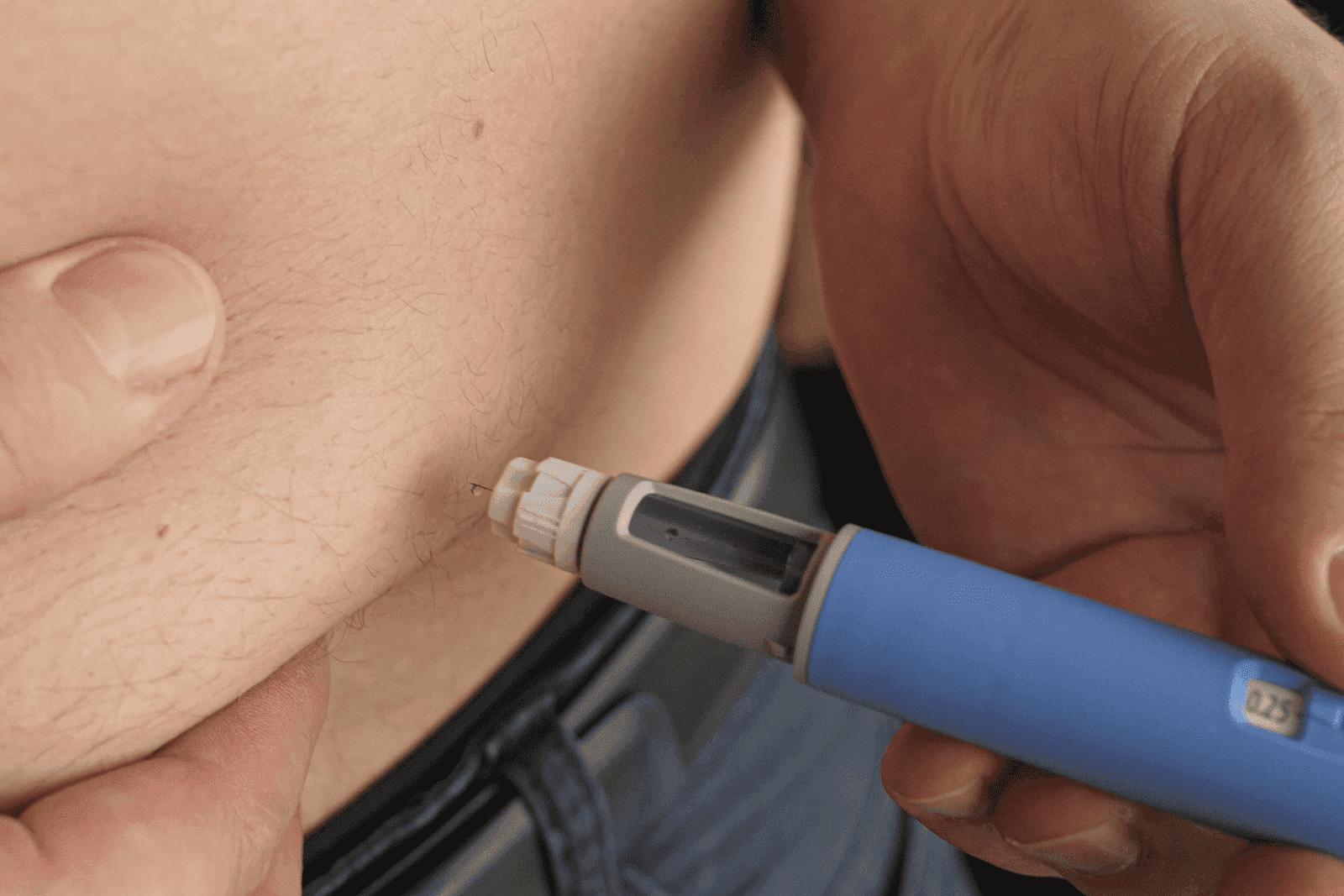
Zepbound, known generically as tirzepatide, is a breakthrough medication approved by the FDA for adults dealing with obesity or overweight conditions. It also helps manage moderate to severe obstructive sleep apnea (OSA) related to obesity. Unlike traditional sleep medications, Zepbound targets hormone pathways, specifically GIP and GLP-1 receptors that control appetite, digestion, and insulin release. This dual action helps patients feel fuller longer and reduces hunger, leading to significant weight loss over time. The innovative mechanism of action not only addresses weight management but also opens new avenues for treating related metabolic disorders, making it a versatile tool in the healthcare arsenal against obesity.
By reducing fat deposits around the airway, weight loss from Zepbound can improve OSA severity. This is crucial because OSA often worsens with excess weight, causing airway collapse during sleep. However, Zepbound does not act directly on sleep centers in the brain. Instead, its benefits come from the metabolic improvements tied to weight reduction. Patients typically take Zepbound as a once-weekly injection, making adherence and consistent dosing essential for optimal results. Alongside its weight loss effects, Zepbound may also contribute to improved overall metabolic health, which can lead to better sleep quality and enhanced daytime alertness. This can create a positive feedback loop, as improved sleep can further support weight loss efforts, making it a valuable component of a comprehensive treatment plan.
Clinical studies have shown that patients using Zepbound not only experience significant weight loss but also report improvements in their overall quality of life. This includes enhanced physical mobility, increased energy levels, and a reduction in obesity-related health risks such as type 2 diabetes and cardiovascular diseases. As patients begin to feel better physically, their motivation to maintain a healthy lifestyle often increases, leading to sustained weight management and improved health outcomes. The medication's role in promoting a healthier lifestyle cannot be understated, as it encourages individuals to engage in regular physical activity and adopt balanced dietary habits, further amplifying its benefits.
There is no direct medical prohibition against consuming alcohol while on Zepbound. There are risks with drinking alcohol while taking Zepbound. Alcohol can affect your metabolism and gastrointestinal system, which may interfere with the medication’s effectiveness or increase side effects. Since Zepbound slows stomach emptying and can cause nausea or abdominal discomfort, drinking alcohol might amplify these symptoms or lead to dehydration.
Increased Gastrointestinal Side Effects: Both alcohol and Zepbound can irritate the stomach lining, potentially worsening nausea, diarrhea, or constipation.
Weight Loss Interference: Alcohol is calorie-dense and may undermine weight loss efforts, counteracting the benefits of Zepbound.
Blood Sugar Fluctuations: Since Zepbound influences insulin release, alcohol’s impact on blood sugar levels could complicate metabolic control.
Dehydration: Alcohol is a diuretic, and combined with Zepbound’s effects, the risk may increase, affecting overall health.
If you choose to consume alcohol while on Zepbound, moderation is key. Avoid binge drinking or heavy alcohol use, and consider timing your drinks away from your medication dose to minimize stomach upset. Staying well-hydrated and monitoring how your body reacts can help manage any adverse effects.
Before starting Zepbound or if you plan to drink alcohol during treatment, discuss your habits and concerns with a healthcare professional. This is especially important if you have other health conditions or take medications that may interact with alcohol or Zepbound. Telehealth services like Doctronic.ai offer convenient access to licensed doctors who can provide personalized advice and monitor your progress without the hassle of in-person visits.
Successful weight management with Zepbound often requires more than just medication. Healthy eating, regular physical activity, and avoiding excessive alcohol consumption all contribute to better outcomes. Alcohol can add empty calories and disrupt sleep patterns, which may hinder your weight loss and OSA improvements. Staying mindful of these factors enhances the benefits of Zepbound and supports long-term health.
Many patients experience mild side effects such as nausea, reduced appetite, diarrhea, constipation, and abdominal discomfort. These symptoms often improve as the body adjusts to the medication. However, drinking alcohol may worsen these issues, so careful monitoring is important.
Suppose you notice severe or persistent side effects, unexpected reactions after drinking alcohol, or if your weight loss plateaus despite adherence, it’s time to consult a healthcare provider. Using telehealth platforms like Doctronic.ai allows you to get quick, expert guidance without leaving home. This can be especially helpful if you experience symptoms that require prompt attention or need adjustments to your treatment plan.
 Zepbound and Alcohol
Zepbound offers a promising approach to managing obesity and related conditions like obstructive sleep apnea. While alcohol is not strictly off-limits, it can complicate treatment by increasing side effects and interfering with weight loss goals. Moderation, timing, and open communication with your healthcare provider are essential to safely navigate alcohol consumption during Zepbound therapy.
For personalized medical advice and convenient telehealth visits, consider using Doctronic.ai. Their AI-powered and human doctor services provide fast, smart, and personal care that can help you stay on track with your health goals.
Moderate alcohol consumption is generally considered safe but should be approached with caution. Alcohol may increase side effects and affect weight loss progress. Always consult your healthcare provider for personalized guidance.
Alcohol can interfere with metabolism and gastrointestinal health, potentially reducing the effectiveness of Zepbound or worsening side effects like nausea and abdominal discomfort.
If side effects are severe or persistent, contact your healthcare provider promptly. Telehealth services such as Doctronic.ai can provide quick access to medical advice and support.
While not mandatory, avoiding or limiting alcohol intake can improve treatment outcomes and reduce side effects. Discuss your lifestyle with your doctor to make the best decision for your health.
Using telehealth platforms like Doctronic.ai allows you to consult licensed doctors 24/7 from anywhere in the U.S. They can provide personalized recommendations tailored to your situation.
While not completely forbidden, alcohol can significantly worsen side effects and sabotage your weight loss results with Zepbound. The safest approach is limiting intake to 1-2 drinks per week, consumed several hours after dosing, while monitoring your body's response carefully. If you're experiencing concerning symptoms or have questions about safely managing medications, Doctronic can provide personalized guidance.
How Zepbound Enhances Weight Management and Overall Quality of LifeZepbound's mechanism of action is particularly noteworthy; it not only helps in managing weight but [...]
Read More
Join 50,000+ readers using Doctronic to understand symptoms, medications,
and next steps.
Add your phone number below to get health updates and exclusive VIP offers.
By providing your phone number, you agree to receive SMS updates from Company. Message and data rates may apply. Reply “STOP” to opt-out anytime. Read our Privacy Policy and Terms of Service for more details.
Save your consults. Talk with licensed doctors and manage your health history.
