

Why Does My Head Itch with Hair Loss?
Understanding the Link Between Itchy Scalp and Hair LossMany people notice an uncomfortable itch on their scalp when experiencing hair loss. This sensation is not just a [...]
Read More
Medically reviewed by Alan Lucks | MD, Alan Lucks MDPC Private Practice - New York on January 4th, 2026.
An itchy scalp often accompanies hair loss due to inflammation, dryness, or underlying scalp conditions.
Common causes include seborrheic dermatitis, psoriasis, fungal infections, and allergic reactions.
Understanding the connection between itching and hair loss can help guide effective treatment.
Proper diagnosis is essential to address both symptoms and prevent further hair thinning.
Telehealth services like Doctronic.ai offer quick, affordable access to expert advice for scalp and hair concerns.
Many people notice an uncomfortable itch on their scalp when experiencing hair loss. This sensation is not just a coincidence. The scalp is a sensitive area where skin health directly impacts hair growth. When the scalp becomes irritated or inflamed, it can trigger itching and may contribute to hair thinning or shedding.
Hair follicles rely on a healthy environment to produce strong hair strands. If the scalp is dry, inflamed, or infected, the follicles can weaken, leading to hair loss. Itching is often a sign that something is disrupting the scalp’s natural balance.
Several scalp conditions can cause both itching and hair loss. Identifying the root cause is crucial for effective treatment.
Seborrheic Dermatitis: This condition causes red, scaly patches on the scalp and is often accompanied by dandruff. The inflammation can weaken hair follicles, leading to temporary hair loss.
Psoriasis: Psoriasis results in thick, silvery scales and itchy patches. The chronic inflammation can disrupt hair growth cycles.
Fungal Infections: Scalp ringworm (tinea capitis) is a fungal infection that causes itching, redness, and hair loss in patches.
Allergic Reactions: Hair care products or treatments may cause allergic contact dermatitis, leading to itching and follicle damage.
Inflammation is a key player in the itch-hair loss connection. When the scalp is inflamed, immune cells attack the hair follicles, mistaking them for harmful invaders. This immune response can cause follicle damage and disrupt the normal hair growth cycle, resulting in shedding.
Addressing inflammation early can prevent permanent hair loss and relieve itching. Treatments often focus on calming the scalp and restoring its natural barrier function. Topical corticosteroids, antifungal treatments, and medicated shampoos are commonly recommended to reduce inflammation and soothe irritation. Incorporating a gentle hair care routine that avoids harsh chemicals can help maintain scalp health and support hair growth.
Lifestyle factors such as stress, diet, and hydration play a significant role in scalp health. Chronic stress can exacerbate inflammation, leading to increased itching and hair loss. A balanced diet rich in vitamins and minerals, particularly those that promote hair health like biotin, zinc, and omega-3 fatty acids, can also contribute to a healthier scalp. Staying hydrated is essential as well, as it helps maintain skin elasticity and overall health, potentially reducing the occurrence of dryness and irritation.
A dry scalp is a frequent cause of itching, especially when hair loss is involved. Hair thinning can reduce the scalp’s natural protection, making it more vulnerable to dryness.
Weather and Environment: Cold, dry air or excessive sun exposure can strip moisture from the scalp.
Harsh Hair Products: Shampoos and styling products with strong chemicals can irritate and dry out the scalp.
Frequent Washing: Washing hair too often can remove natural oils that keep the scalp hydrated.
When the scalp dries out, it becomes itchy and flaky. This can lead to scratching, which further irritates the skin and may damage hair follicles, worsening hair loss.
Maintaining scalp moisture is essential. Using gentle, hydrating shampoos and conditioners can help. Avoiding hot water and reducing the frequency of hair washing may also improve scalp health.
In some cases, specialized treatments like scalp oils or medicated shampoos are necessary. Consulting a healthcare professional can help determine the best approach.
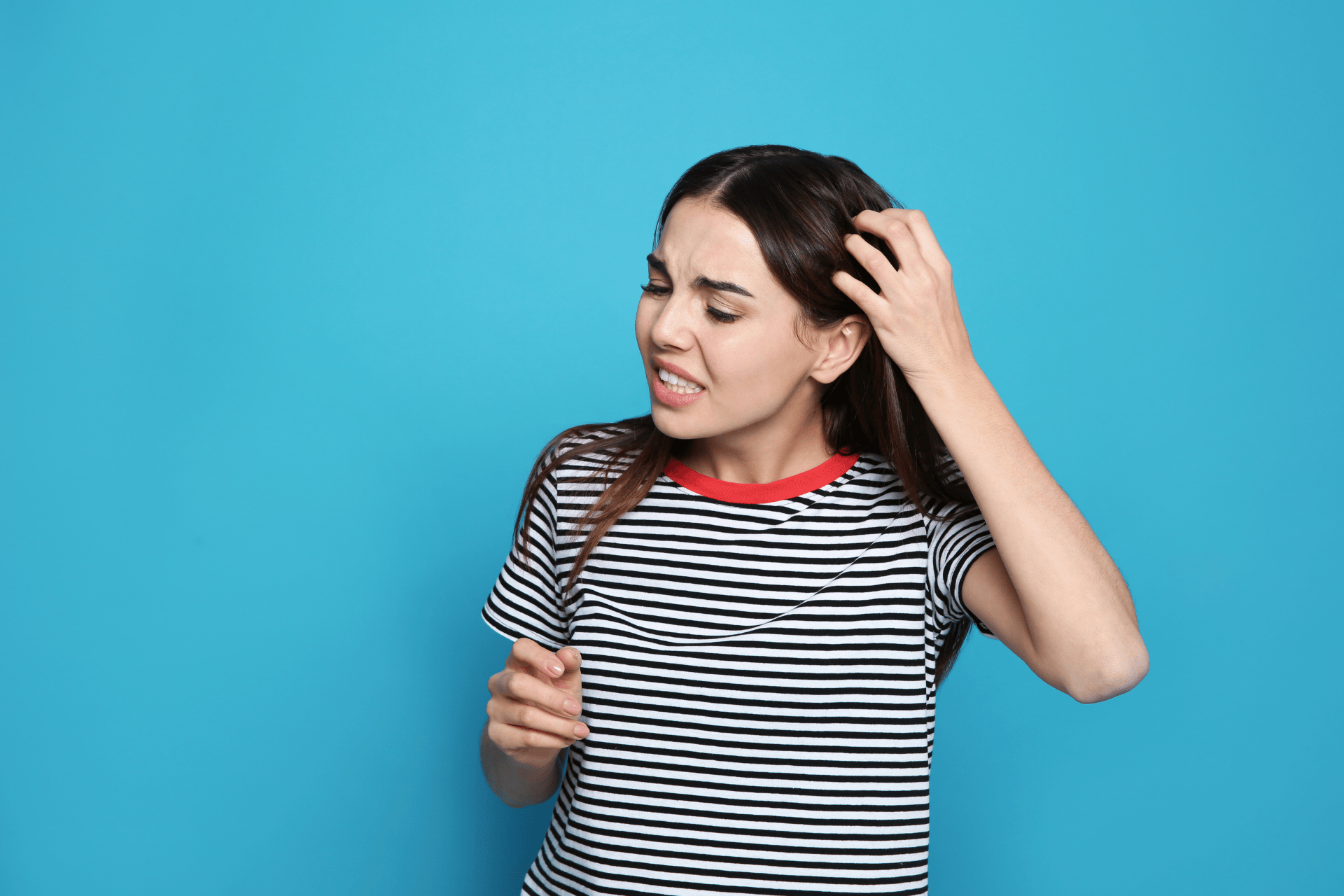 When to Seek Professional Help for Itchy Scalp and Hair Loss
An itchy scalp combined with hair loss can be a sign of underlying medical conditions that require expert care. Persistent symptoms, worsening hair loss, or signs of infection should prompt a visit to a healthcare provider.
Getting timely advice from a medical professional is easier than ever with telehealth services. Doctronic.ai offers affordable, convenient access to doctors who specialize in skin and hair health. You can receive a thorough evaluation and personalized treatment recommendations without leaving home.
Doctronic’s AI-powered system provides fast, evidence-based answers to your health questions and connects you with licensed doctors for video visits 24/7 across all 50 states. This approach ensures you get quality care quickly, especially when dealing with uncomfortable symptoms like scalp itching and hair loss.
Detailed discussion about your symptoms, medical history, and hair care routine.
Visual examination of the scalp through video to identify signs of inflammation, infection, or other issues.
Recommendations for treatment options, including topical medications, lifestyle changes, or referrals to specialists if needed.
Follow-up support to monitor progress and adjust care as necessary.
Prevention focuses on maintaining scalp health and avoiding triggers that cause irritation and inflammation.
Use gentle, fragrance-free hair care products designed for sensitive scalps.
Avoid excessive heat styling and harsh chemical treatments.
Keep the scalp clean but avoid over washing to preserve natural oils.
Manage stress, as it can exacerbate scalp conditions and hair loss.
Maintain a balanced diet rich in vitamins and minerals that support hair growth.
Regular monitoring of scalp condition can help catch problems early. If itching or hair loss starts to become noticeable, consulting a healthcare provider promptly can prevent more serious issues.
Itchy scalp paired with hair loss is a common but distressing problem. Understanding the causes, whether they are inflammation, dryness, infections, or allergic reactions, can guide effective treatment. Maintaining scalp health through gentle care and timely medical advice is key to preventing further hair loss.
For those seeking quick, reliable medical guidance, Doctronic.ai offers an accessible solution. Their AI-driven platform and 24/7 telehealth services connect you with expert care that respects your time and budget, helping you get back to feeling comfortable and confident.
Yes, frequent scratching can damage hair follicles and irritate the scalp, potentially worsening hair loss. It is important to treat the underlying cause of itching rather than just scratching.
Not always. Sometimes, mild scalp irritation or dryness causes itching and temporary hair shedding. However, persistent symptoms should be evaluated by a professional to rule out conditions like infections or autoimmune disorders.
There are shampoos and topical treatments available for dandruff and mild scalp irritation. However, if hair loss continues or itching is severe, it is best to seek medical advice for targeted treatment.
Hair growth varies by individual and cause. Once the scalp condition is controlled, hair regrowth can begin within a few months, but it may take longer for full recovery.
Absolutely. Doctronic.ai offers AI-powered consultations and access to licensed doctors who can diagnose and recommend treatments for scalp itching and hair loss, all from the comfort of your home.
An itchy scalp with hair loss is often a sign of inflammation, dryness, or an underlying scalp condition that needs proper diagnosis and treatment. Addressing the root cause early can relieve discomfort and help prevent further hair thinning. Telehealth services like Doctronic.ai make it easy to get expert evaluation and personalized treatment recommendations quickly, helping you restore scalp health with confidence.
Understanding the Link Between Itchy Scalp and Hair LossMany people notice an uncomfortable itch on their scalp when experiencing hair loss. This sensation is not just a [...]
Read More