

Why Am I Always Tired and Have No Energy as a Female?
Understanding Female Fatigue: Why Am I Always Tired?Feeling constantly tired and lacking energy is a common complaint among women, but it is not something to ignore. Fatigue [...]
Read More
Medically reviewed by Alan Lucks | MD, Alan Lucks MDPC Private Practice - New York on January 12th, 2026.
Fatigue in women can stem from various physical, hormonal, and lifestyle factors.
Common causes include iron deficiency, thyroid issues, hormonal changes, and stress.
Understanding your symptoms and seeking timely medical advice can improve energy levels.
Telehealth services like Doctronic.ai offer quick, affordable access to expert medical guidance.
Addressing sleep quality, nutrition, and mental health plays a crucial role in managing fatigue.
Feeling constantly tired and lacking energy is a common complaint among women, but it is not something to ignore. Fatigue can affect your daily life, mood, and productivity, and it often signals underlying issues. Women face unique health challenges that can contribute to this persistent exhaustion, from hormonal fluctuations to nutritional deficiencies.
Recognizing the root causes of fatigue is the first step toward regaining your vitality. Whether it’s a medical condition or lifestyle factor, knowing what’s draining your energy helps you take control of your health.
One significant factor that can contribute to fatigue in women is hormonal changes, particularly those associated with the menstrual cycle, pregnancy, and menopause. For instance, during the premenstrual phase, many women experience a drop in energy levels due to fluctuating estrogen and progesterone levels. Similarly, during pregnancy, the body undergoes dramatic hormonal shifts that can lead to increased fatigue as it works hard to support the developing fetus. Menopause also brings about hormonal changes that can disrupt sleep patterns, further exacerbating feelings of tiredness. Understanding these cycles can help women anticipate and manage their energy levels more effectively.
Lifestyle choices play a crucial role in how energized or fatigued we feel. Factors such as sleep quality, stress management, and diet are all interconnected. For example, chronic stress can lead to adrenal fatigue, where the adrenal glands become overworked and struggle to produce adequate hormones to keep energy levels stable. A diet lacking in essential nutrients, particularly iron, vitamin D, and B vitamins, can lead to feelings of lethargy. Incorporating a balanced diet rich in whole foods, along with regular physical activity, can significantly improve energy levels and overall well-being. Understanding the interplay between these elements is vital for women seeking to combat fatigue and enhance their quality of life.
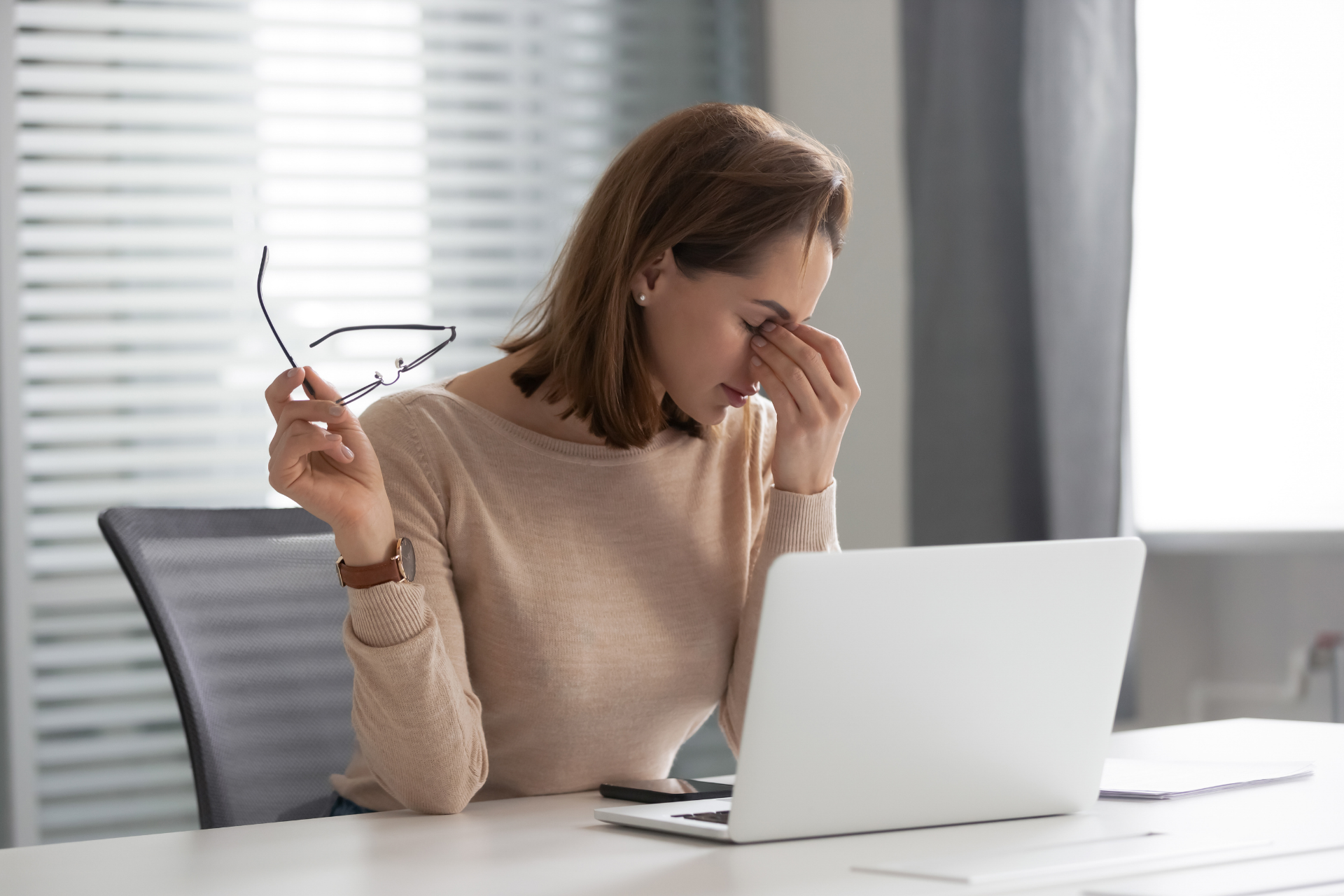 Common Medical Causes of Fatigue in Women
Iron deficiency is one of the most common causes of fatigue in women, especially those of reproductive age. Blood loss during menstruation can deplete iron stores, leading to anemia. When your body lacks enough iron, it cannot produce sufficient hemoglobin, the protein responsible for carrying oxygen in your blood. This results in tiredness, weakness, and shortness of breath.
Symptoms of iron deficiency anemia include pale skin, dizziness, and headaches. If you suspect iron deficiency, a simple blood test can confirm it. Treatment usually involves iron supplements and dietary changes.
The thyroid gland regulates metabolism, energy production, and overall hormonal balance. Hypothyroidism, or an underactive thyroid, is common in women and can cause fatigue, weight gain, cold intolerance, and depression. Because symptoms can develop slowly, many women may not realize their thyroid is the culprit.
Thyroid function tests can diagnose this condition, and treatment with thyroid hormone replacement can restore energy levels and improve quality of life.
Hormonal fluctuations during menstrual cycles, pregnancy, postpartum, and menopause can significantly impact energy. For example, during perimenopause and menopause, declining estrogen levels often cause fatigue, mood swings, and sleep disturbances.
Polycystic ovary syndrome (PCOS) is another hormonal disorder that can lead to tiredness due to insulin resistance and disrupted menstrual cycles. Addressing hormonal imbalances with the help of healthcare providers is essential for managing symptoms effectively.
Chronic illnesses such as diabetes, autoimmune diseases, and fibromyalgia frequently cause fatigue. Additionally, mental health conditions like depression and anxiety can drain energy and disrupt sleep, creating a cycle of exhaustion.
It is important to consider both physical and emotional health when tackling fatigue. Professional evaluation can help identify these underlying issues and recommend appropriate treatment.
Sleep is the foundation of energy. Women often experience sleep disruptions due to stress, hormonal changes, or conditions like sleep apnea. Even if you spend enough time in bed, poor sleep quality can leave you feeling exhausted.
Improving sleep hygiene-such as maintaining a regular bedtime, reducing screen time before sleep, and creating a comfortable environment, makes a big difference.
Eating a balanced diet rich in vitamins, minerals, and adequate calories is critical to sustaining energy. Skipping meals, consuming excessive caffeine or sugar, and dehydration can all contribute to fatigue.
Women should focus on nutrient-dense foods, including leafy greens, lean proteins, whole grains, and plenty of water to support their energy needs.
Juggling work, family, and personal responsibilities often leads to chronic stress, which can exhaust the body and mind. Stress triggers the release of cortisol, a hormone that, in excess, disrupts sleep and energy regulation.
Incorporating relaxation techniques like mindfulness, exercise, and setting boundaries can help manage stress and improve overall vitality.
If fatigue persists despite lifestyle changes, it is important to consult a healthcare professional to rule out underlying conditions. Women often hesitate to seek help, attributing tiredness to normal life demands, but persistent exhaustion warrants evaluation.
Doctronic.ai provides a convenient and affordable way to get expert medical advice without leaving home. Doctronic’s AI-powered system offers free AI doctor visits that synthesize the latest medical research to provide personalized answers and treatment recommendations quickly.
For more comprehensive care, Doctronic also offers telehealth video visits with licensed doctors available 24/7 in all 50 states for under $40. This makes it easier for women to access quality primary care that fits their schedules and budgets.
Go to bed and wake up at the same time daily.
Create a relaxing pre-sleep routine to wind down.
Limit caffeine and heavy meals before bedtime.
Include iron-rich foods like spinach, beans, and lean meats.
Stay hydrated by drinking plenty of water throughout the day.
Eat balanced meals with protein, healthy fats, and complex carbs.
Practice deep breathing or meditation daily.
Prioritize tasks and delegate when possible.
Make time for enjoyable activities and social connections.
Regular exercise improves circulation, mood, and energy levels. Even light activities like walking or yoga can help combat fatigue.
Feeling tired all the time as a female can stem from many causes, but it is never something you have to accept without answers. Understanding your body, recognizing symptoms, and seeking timely help can transform your energy and wellbeing.
Doctronic.ai makes it easier than ever to get reliable medical advice quickly and affordably. Whether you need a quick AI-powered consultation or a telehealth visit with a licensed doctor, help is just a few clicks away. Take the first step toward feeling energized and healthy today.
While occasional tiredness is common, persistent fatigue is not normal and should be evaluated by a healthcare provider to identify any underlying causes.
Yes, some hormonal contraceptives can cause fatigue or mood changes in certain women. If you notice changes after starting birth control, discuss alternatives with your doctor.
Fatigue related to depression often comes with feelings of sadness, loss of interest in activities, and changes in appetite or sleep. A healthcare professional can help diagnose and treat depression.
Blood tests for iron levels, thyroid function, sugar, and vitamin deficiencies are common initial tests. Telehealth services like Doctronic.ai can guide you on which tests to consider based on your symptoms.
If fatigue is accompanied by chest pain, severe shortness of breath, sudden weakness, or confusion, seek emergency medical attention immediately.
Persistent fatigue in women is often a sign of underlying medical, hormonal, or lifestyle factors that deserve attention, not something to simply push through. By understanding the root causes and taking proactive steps, you can restore your energy and well-being. Doctronic.ai makes it easy to get fast, affordable, expert medical guidance to help you feel your best again.
Understanding Female Fatigue: Why Am I Always Tired?Feeling constantly tired and lacking energy is a common complaint among women, but it is not something to ignore. Fatigue [...]
Read More