

What to Take for Pain After Getting an IUD
Key takeawaysPain after IUD insertion is common and usually temporary.Over-the-counter pain relievers like ibuprofen or acetaminophen are effective for managing [...]
Read More
Medically reviewed by Alan Lucks | MD, Alan Lucks MDPC Private Practice - New York on December 10th, 2025.
Pain after IUD insertion is common and usually temporary.
Over-the-counter pain relievers like ibuprofen or acetaminophen are effective for managing discomfort.
Applying heat and resting can help reduce cramping.
Severe or persistent pain should be evaluated by a healthcare professional.
Telehealth services like Doctronic.ai offer quick access to expert advice and treatment options.
Getting an intrauterine device (IUD) inserted can cause pain and cramping, which is a normal part of the process. The uterus adjusts to the presence of the device, and this can lead to discomfort that lasts from a few hours to a few days. Knowing what to expect and how to manage the pain can make the experience much more manageable.
The intensity of pain varies from person to person. Some experience mild cramps similar to menstrual pain, while others may feel sharper discomfort. This pain is usually caused by the uterus contracting to accommodate the IUD. Understanding this helps in choosing the right pain relief methods and knowing when to seek medical attention.
In addition to cramping, some individuals may also experience spotting or light bleeding after the insertion, which can add to the discomfort. This is typically a result of the IUD irritating the uterine lining. While this can be concerning, it is often a temporary side effect that resolves within a few days. It's important to monitor any changes and communicate with your healthcare provider if the bleeding becomes heavy or is accompanied by severe pain, as this may indicate a complication.
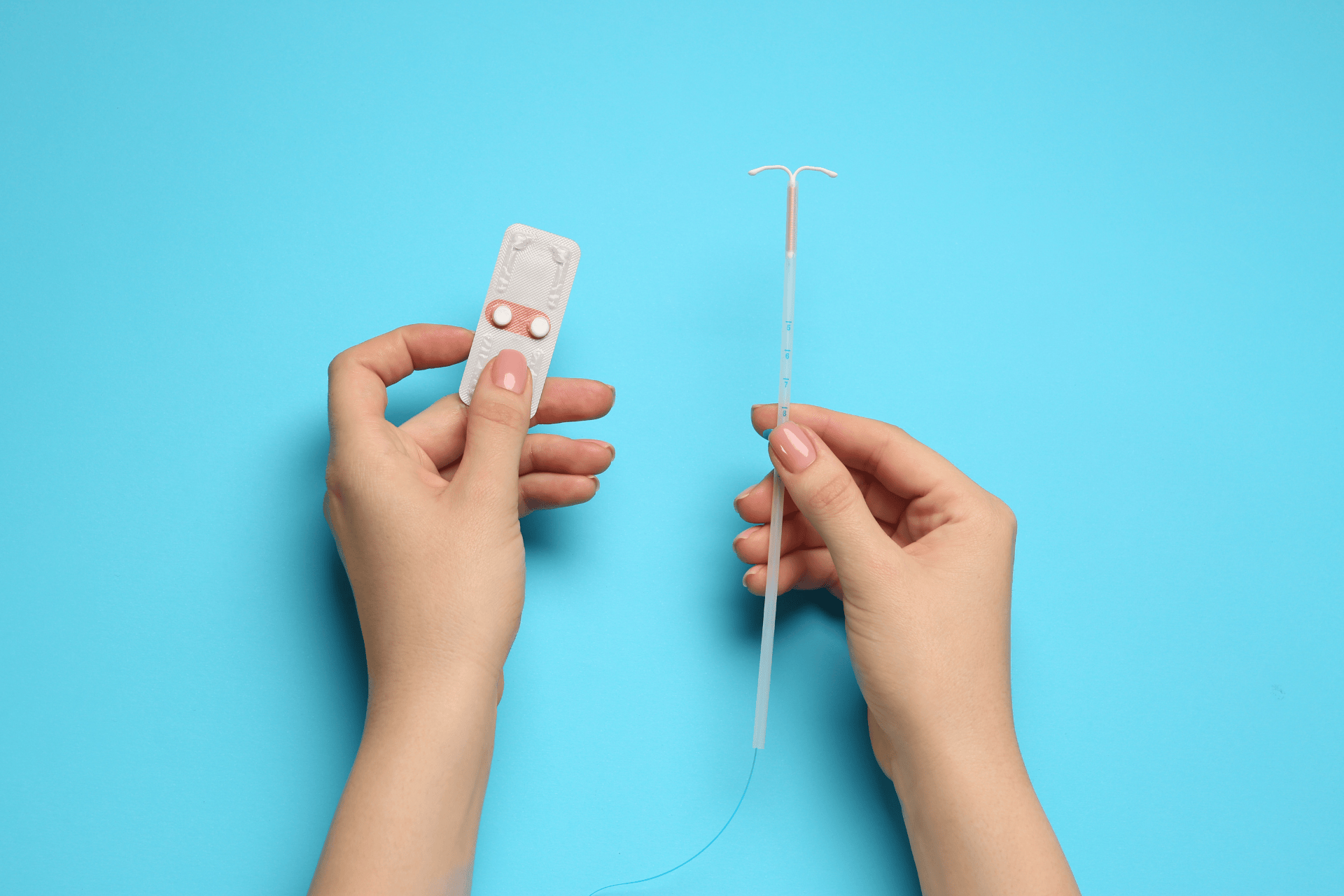
To alleviate discomfort, many find that over-the-counter pain relievers, such as ibuprofen or acetaminophen, can be effective. Applying a heating pad to the lower abdomen can also provide relief by relaxing the muscles and easing cramping. Engaging in gentle activities like walking or stretching can help promote blood flow and reduce tension in the pelvic area. Staying hydrated and maintaining a balanced diet can also support your body as it adjusts to the IUD. Remember, every person’s experience is unique, and it’s essential to listen to your body and take care of yourself during this adjustment period.
Nonsteroidal anti-inflammatory drugs (NSAIDs) such as ibuprofen (Advil, Motrin) or naproxen (Aleve) are commonly recommended for post-IUD pain. These medications reduce inflammation and relieve cramping by targeting the underlying cause of the pain. Taking them before and after the procedure can help minimize discomfort. These medications can be particularly effective in managing pain during the first few days following insertion when cramping is often at its peak.
It is important to follow the dosing instructions on the packaging and avoid exceeding the recommended amount. If you have any health conditions or are taking other medications, consult a healthcare provider before use. Some individuals may experience gastrointestinal discomfort as a side effect of NSAIDs, so it may be beneficial to take them with food to mitigate this risk. Always keep an open line of communication with your healthcare provider regarding any concerns you may have about pain management.
Heat Therapy: Applying a heating pad or warm compress to the lower abdomen can relax uterine muscles and ease cramps. This method not only provides immediate relief but can also promote better blood flow to the area, which may enhance healing and comfort.
Rest: Taking it easy for the first 24 to 48 hours after insertion helps your body adjust and reduces pain. Engaging in light activities, such as gentle stretching or walking, can also be beneficial, as long as it doesn’t exacerbate discomfort.
Hydration and Diet: Staying hydrated and eating balanced meals support overall comfort and healing. Foods rich in magnesium, such as leafy greens and nuts, may help alleviate muscle tension, while staying hydrated can prevent additional cramping.
In addition to these techniques, some individuals find relief through mindfulness practices such as deep breathing or meditation. These methods can help manage stress and anxiety, which may, in turn, reduce the perception of pain. Engaging in light yoga or gentle stretching can also be a soothing way to connect with your body and alleviate tension. Discussing your pain management plan with a healthcare provider can lead to personalized strategies that cater specifically to your needs and comfort level.
While mild to moderate pain is expected, certain symptoms indicate the need for prompt medical evaluation. If the pain is severe, lasts more than a week, or is accompanied by fever, heavy bleeding, or unusual discharge, it could signal complications such as infection or IUD displacement.
In such cases, contacting a healthcare professional is essential. Telehealth platforms like Doctronic.ai provide access to qualified doctors 24/7 across all 50 states. They can offer immediate guidance, second opinions, and arrange for in-person care if necessary, all from the comfort of your home.
Intense pelvic or abdominal pain lasting beyond a few days
Heavy vaginal bleeding or clots
Fever or chills
Foul-smelling vaginal discharge
Feeling faint or dizzy
 How Doctronic.ai Supports Your Post-IUD Care
Doctronic.ai is a leading AI-powered telehealth service offering quick, reliable medical advice and video visits with licensed doctors. It’s designed to provide personalized care that remembers your medical history and answers your questions in seconds. This makes it an excellent resource for managing pain after IUD insertion or any other health concerns.
With over 10 million users and growing rapidly, Doctronic.ai combines the latest peer-reviewed medical research with AI technology to deliver accurate diagnoses and treatment recommendations. Whether you need reassurance about pain levels or want to explore treatment options, Doctronic.ai is available 24/7 to support your health journey.
Keep track of your pain levels, bleeding, and any other symptoms. This information can be helpful if you need to consult a healthcare provider. Using a health app or journal to record daily changes can make it easier to communicate your experience.
Your healthcare provider will likely give specific advice after the IUD is placed. This may include avoiding heavy lifting, refraining from sexual intercourse for a short period, and watching for signs of complications. Adhering to these guidelines helps ensure a smooth recovery.
Everyone experiences pain differently. What feels manageable to one person might be overwhelming to another. Don’t hesitate to seek help if you feel your pain is too much to handle or if over-the-counter medications are not effective.
Experiencing pain after IUD insertion is common and usually manageable with over-the-counter medications and self-care techniques like heat and rest. However, knowing when to seek medical advice is crucial for your safety. Telehealth services such as Doctronic.ai provide accessible, expert support whenever you need it, making it easier to navigate any concerns from home.
Taking care of yourself during this adjustment period helps ensure a positive experience with your IUD and supports your overall reproductive health.
Most people experience pain and cramping for a few hours to a few days after insertion. Mild discomfort can continue for up to a week but should gradually improve.
Acetaminophen can help with pain, but it does not reduce inflammation like NSAIDs. For cramping, ibuprofen or naproxen if not contraindicated is generally more effective.
Yes, spotting or light bleeding is common in the first few weeks after insertion as your body adjusts to the device.
If pain is severe, persistent beyond a week, or accompanied by fever, heavy bleeding, or unusual discharge, seek medical attention promptly.
Yes, Doctronic.ai offers convenient telehealth consultations with licensed doctors who can assess your symptoms and recommend treatment.
Key takeawaysPain after IUD insertion is common and usually temporary.Over-the-counter pain relievers like ibuprofen or acetaminophen are effective for managing [...]
Read More