

What to Know About Hair Transplants
Understanding Hair TransplantsHair transplants have become a go-to option for many experiencing hair thinning or baldness. The procedure involves relocating healthy hair [...]
Read More
Medically reviewed by Alan Lucks | MD, Alan Lucks MDPC Private Practice - New York on January 2nd, 2026.
Hair transplants are a popular solution for hair loss, involving moving hair follicles from one part of the scalp to another.
There are two main types: Follicular Unit Transplantation (FUT) and Follicular Unit Extraction (FUE), each with its benefits and considerations.
Understanding candidacy, procedure details, recovery, and potential risks is essential before deciding on a hair transplant.
Consulting with healthcare professionals through telehealth services like Doctronic.ai can provide personalized advice and guidance.
Post-procedure care and realistic expectations are key to achieving satisfying results.
Hair transplants have become a go-to option for many experiencing hair thinning or baldness. The procedure involves relocating healthy hair follicles from a donor area, usually the back or sides of the scalp, to areas where hair is sparse or missing. This approach offers a permanent solution to hair loss, unlike temporary treatments such as topical products or medications.
Two primary techniques dominate the field: Follicular Unit Transplantation (FUT) and Follicular Unit Extraction (FUE). Each method has unique characteristics, recovery times, and potential outcomes, making it important to understand the differences before moving forward.
FUT, sometimes called the strip method, involves removing a thin strip of scalp from the donor area. This strip is then dissected into individual follicular units under a microscope before being transplanted to the thinning or bald areas. FUT is often preferred when a larger number of grafts are needed in a single session.
The procedure leaves a linear scar at the donor site, which can be concealed by surrounding hair but may be noticeable with very short hairstyles. Recovery typically involves some soreness and tightness in the scalp for a few days.
FUE is a minimally invasive technique where individual hair follicles are extracted directly from the donor area using a small punch tool. These follicles are then implanted into the recipient sites. Because FUE does not involve removing a strip of scalp, it avoids a linear scar and generally results in less discomfort during recovery.
This method is ideal for patients who prefer shorter hairstyles or want to minimize visible scarring. However, FUE can be more time-consuming and may require multiple sessions for extensive hair restoration.
Not everyone experiencing hair loss is a suitable candidate for a hair transplant. Ideal candidates typically have stable hair loss patterns, sufficient donor hair density, and realistic expectations about the results.
Hair loss due to male or female pattern baldness is the most common reason for seeking a transplant. These patterns tend to be predictable and stable, which helps surgeons plan the procedure effectively. Sudden or patchy hair loss from medical conditions may require different treatments.
The success of a hair transplant depends heavily on the quality and quantity of donor hair. Individuals with thin or sparse donor areas may not achieve the desired density. A thorough evaluation by a specialist can determine if there is enough viable hair for transplantation.
While hair transplants can significantly improve appearance, they do not restore hair to its original density in all cases. Patients should understand the limits of the procedure and the time it takes for transplanted hair to grow fully, often several months to a year.
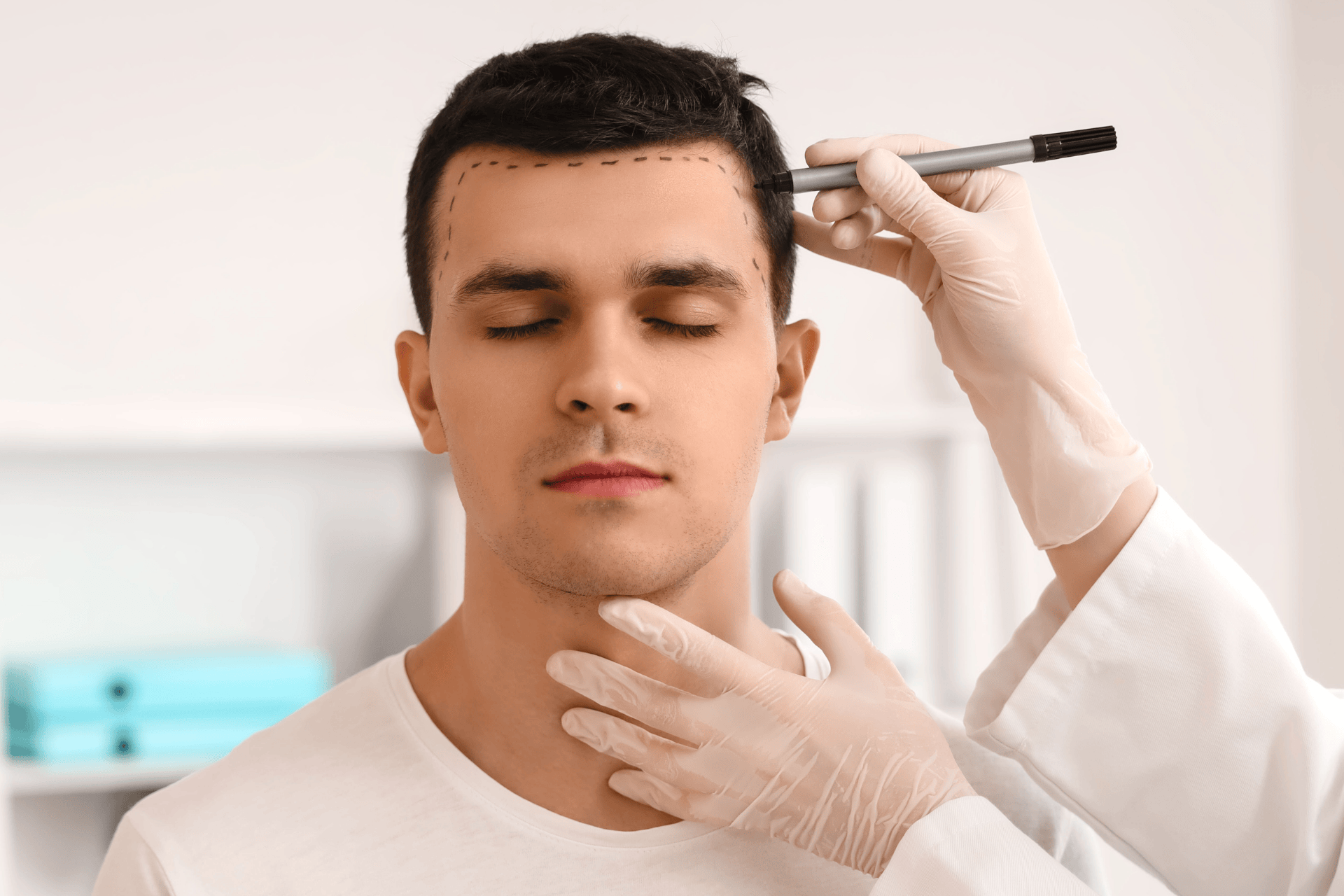 The Hair Transplant Procedure: What to Expect
Knowing the steps involved in a hair transplant can help reduce anxiety and prepare for the experience.
Before the procedure, a detailed consultation is essential. This typically includes discussing medical history, examining the scalp, and planning the hairline design. Telehealth platforms like Doctronic.ai offer convenient access to qualified doctors who can answer questions and help you understand your options without leaving home.
Hair transplant surgeries are usually performed under local anesthesia. The duration depends on the number of grafts being transplanted, but can last several hours. Patients are awake but should feel minimal discomfort.
In FUT, the surgeon removes a strip of scalp and closes the area with stitches. In FUE, individual follicles are extracted one by one. The grafts are then carefully implanted into tiny incisions in the recipient area.
After the procedure, mild swelling, redness, and scabbing around the transplanted follicles are common. Most patients can return to normal activities within a few days, but should avoid strenuous exercise for at least a week.
Proper care during the healing phase is crucial. This includes gentle washing, avoiding direct sunlight, and following the surgeon’s instructions closely to prevent infection and promote healthy hair growth.
Like any surgical procedure, hair transplants carry some risks. Understanding these can help you make an informed decision.
Temporary swelling, redness, and itching are typical after a transplant. Some patients experience shock loss, where existing hair temporarily falls out but usually regrows.
FUT leaves a linear scar, which may be visible with very short haircuts. FUE results in tiny dot scars that are less noticeable. In some cases, transplanted hair may grow unevenly or require touch-up sessions.
Infections are rare but possible if aftercare instructions are not followed. Choosing a qualified and experienced surgeon reduces these risks significantly.
Access to expert medical advice is vital before and after a hair transplant. Telehealth services have made it easier than ever to connect with healthcare professionals without the need for in-person visits.
Doctronic.ai provides free AI-powered doctor visits and affordable telehealth video consultations with licensed physicians. This means you can discuss your hair loss concerns, explore treatment options, and get personalized recommendations conveniently.
Post-transplant care often involves monitoring progress and managing any side effects. Telehealth enables easy follow-up appointments, ensuring you stay on track with your recovery and receive timely advice if issues arise.
Hair transplants can offer significant improvements, but patience is essential. Transplanted hair typically falls out within a few weeks before new growth begins. Full results may take up to a year to appear.
Understanding this timeline helps avoid disappointment and encourages commitment to proper care. Combining a transplant with other treatments, such as medications or lifestyle changes, may enhance and maintain results.
Hair transplants can be life-changing for those struggling with hair loss. Understanding the procedure, risks, and recovery helps set realistic expectations and ensures a smoother experience. Leveraging telehealth services like Doctronic.ai offers convenient access to expert advice, making the journey more manageable from start to finish. Whether exploring initial options or managing post-surgery care, professional support is just a click away.
Yes, transplanted hair follicles are usually permanent because they come from areas resistant to hair loss. However, natural hair loss may continue in other scalp areas.
Costs vary depending on the technique, number of grafts, and clinic location. On average, prices range from $4,000 to $15,000. Telehealth consultations can help estimate costs based on individual needs.
The procedure is performed under local anesthesia, so pain during surgery is minimal. Some discomfort or soreness may occur during recovery, but it is generally manageable.
Absolutely. Doctronic.ai offers quick, affordable access to medical professionals who can guide you through your options and help plan your next steps.
New hair growth usually starts around three to four months post-procedure, with full results visible after 9 to 12 months.
Hair transplants can offer a long-term solution for hair loss when you’re a good candidate and have realistic expectations about results and recovery. Understanding the differences between FUT and FUE, potential risks, and proper aftercare is essential before moving forward. Telehealth services like Doctronic.ai make it easy to get expert guidance, explore your options, and receive personalized advice throughout your hair restoration journey.
Understanding Hair TransplantsHair transplants have become a go-to option for many experiencing hair thinning or baldness. The procedure involves relocating healthy hair [...]
Read More