

What Happens When You Stop Taking Ozempic?
Understanding Ozempic and Its RoleOzempic is a prescription medication containing semaglutide, used mainly to improve blood sugar control in adults with type 2 diabetes. It [...]
Read More
Medically reviewed by Alan Lucks | MD, Alan Lucks MDPC Private Practice - New York on January 26th, 2026.
Ozempic is a medication primarily used to manage type 2 diabetes and support weight loss.
Stopping Ozempic can lead to a return of blood sugar levels to previous states and potential weight regain.
Withdrawal effects are generally mild but may include increased appetite and changes in digestion.
Consulting a healthcare provider before stopping Ozempic is essential to manage any risks effectively.
Telehealth services like Doctronic.ai offer convenient access to medical advice on managing medication changes.
Ozempic is a prescription medication containing semaglutide, used mainly to improve blood sugar control in adults with type 2 diabetes. It also helps with weight loss by reducing appetite and slowing digestion. This drug belongs to a class called GLP-1 receptor agonists, which mimic a hormone that influences insulin release and appetite regulation.
Many people rely on Ozempic not only for managing diabetes but also for its secondary benefits related to weight management. Because it affects how the body processes food and controls hunger, stopping the medication can have noticeable effects.
In addition to its primary function, Ozempic has been studied for its potential cardiovascular benefits. Research indicates that patients using this medication may experience a reduced risk of heart-related complications, which is particularly important for those with type 2 diabetes, who are already at an increased risk for heart disease. The medication works by improving glycemic control and promoting weight loss, both of which can contribute to better heart health over time. This dual action makes Ozempic a compelling option for individuals looking to manage both their diabetes and their overall cardiovascular health.
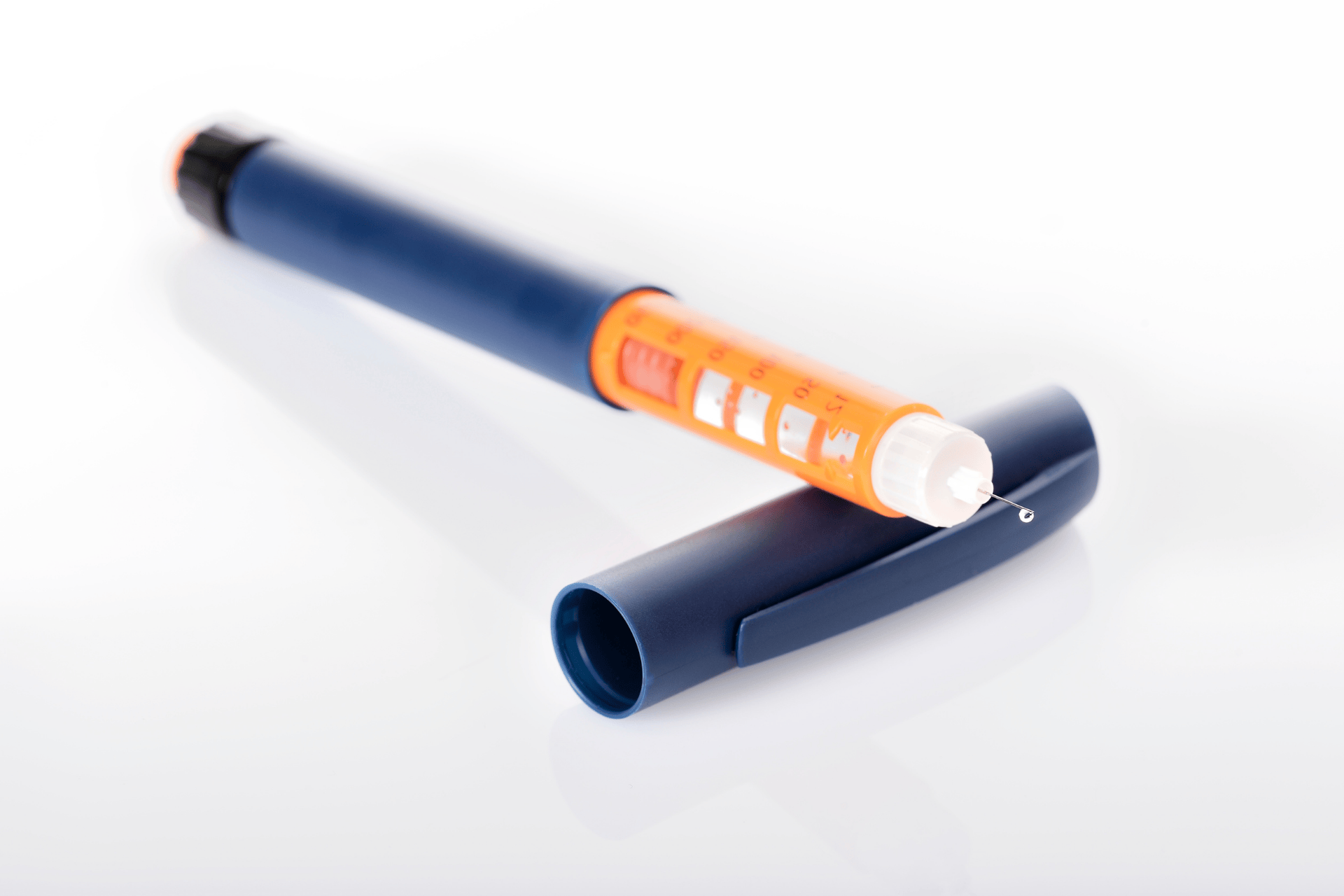
The administration of Ozempic is designed to be user-friendly, typically involving a once-weekly injection. This convenience can significantly enhance adherence to treatment, as many patients find daily medications cumbersome. The injection can be done at home, allowing for greater flexibility in managing one’s health routine. Patients often report that the gradual onset of effects helps them adjust to the changes in appetite and digestion, making it easier to incorporate healthier eating habits into their lifestyle. As more individuals become aware of the multifaceted benefits of Ozempic, its role in diabetes management continues to evolve, opening new avenues for research and patient care.
One of the most immediate concerns when stopping Ozempic is the potential increase in blood sugar levels. Since Ozempic helps stimulate insulin production and reduce glucose release from the liver, discontinuing it can cause blood sugar to climb back to pre-treatment levels. This is especially important for people with type 2 diabetes who depend on the medication to maintain control. Monitoring blood sugar levels closely during this transition is crucial, as sudden spikes can lead to complications such as hyperglycemia, which may require immediate medical attention. Patients are often advised to consult their healthcare providers for a tailored plan to manage their blood sugar effectively after stopping Ozempic.
Ozempic’s appetite-suppressing effects often lead to weight loss, but once the medication is stopped, many people experience increased hunger and a return to previous eating habits. This can result in regaining the weight lost during treatment. The body’s metabolism may also adjust, making weight management more challenging after discontinuation. The psychological aspect of weight loss can play a significant role; individuals may struggle with feelings of frustration or disappointment as they see their hard-earned progress diminish. Engaging in regular physical activity and maintaining a balanced diet can help mitigate these effects, but it often requires a renewed commitment to lifestyle changes that were effective during treatment.
While Ozempic is not known for causing severe withdrawal symptoms, some individuals report mild side effects when stopping the medication. These can include nausea, fatigue, or digestive changes like bloating or diarrhea. These symptoms usually resolve on their own, but can be uncomfortable. It's important to note that the experience of discontinuation can vary widely among individuals; some may feel little to no discomfort, while others may find the transition more challenging. Consulting with a healthcare professional can provide strategies to ease these symptoms, such as gradual dose reduction or dietary adjustments to support the body during this period. Staying informed about what to expect can empower individuals to navigate this transition with greater confidence and resilience.
 Managing the Transition Off Ozempic
Before stopping Ozempic, it’s critical to discuss your plans with a healthcare professional. They can help create a plan to monitor blood sugar levels and adjust other medications if necessary. If you do not have easy access to a doctor, telehealth platforms like Doctronic.ai provide affordable, convenient video visits with licensed doctors across all 50 states. This service can guide you through the process safely and answer any questions in real time.
After stopping Ozempic, frequent blood sugar monitoring is essential. Keeping track of your levels helps identify any dangerous spikes or drops early. Your healthcare provider may recommend lifestyle adjustments or alternative medications to maintain control.
Since Ozempic affects appetite and digestion, stopping it means you may need to be more mindful of your diet and exercise. Eating balanced meals, managing portion sizes, and staying active can help reduce the risk of weight regain and blood sugar fluctuations.
Some symptoms after stopping Ozempic require prompt medical attention. If you experience persistent high blood sugar symptoms such as excessive thirst, frequent urination, fatigue, or blurred vision, contact a healthcare provider immediately. Severe digestive issues or allergic reactions are also reasons to seek urgent care.
Telehealth services have transformed how people access medical care, especially for medication management. Doctronic.ai offers quick, affordable consultations without the need to travel or wait for appointments. This is particularly useful when adjusting or stopping medications like Ozempic, where timely advice can prevent complications.
Doctronic’s AI-powered system provides personalized, evidence-based medical guidance and connects patients with doctors for video visits 24/7. This combination ensures you get the latest medical expertise and human support whenever needed.
It is generally not recommended to stop Ozempic without consulting your healthcare provider. Sudden discontinuation can lead to increased blood sugar and other side effects. A doctor can help you taper off safely or suggest alternatives.
Blood sugar levels may begin to rise within days or weeks after stopping Ozempic, depending on individual factors like diet, exercise, and other medications. Close monitoring is important during this period.
Many people experience some degree of weight regain after stopping Ozempic due to increased appetite and metabolic changes. Maintaining a healthy lifestyle can help manage this risk.
Withdrawal symptoms are usually mild and can include nausea, fatigue, or digestive discomfort. These symptoms tend to improve within a short time.
Telehealth platforms like Doctronic.ai provide easy access to licensed doctors who can advise you on managing your health after stopping Ozempic.
Stopping Ozempic can lead to rising blood sugar, increased appetite, and possible weight regain. Changes are usually manageable but should be planned with medical guidance. Telehealth platforms like Doctronic.ai make it easy to get expert advice, monitor symptoms, and transition safely.
Understanding Ozempic and Its RoleOzempic is a prescription medication containing semaglutide, used mainly to improve blood sugar control in adults with type 2 diabetes. It [...]
Read More