

What Causes Hair Loss on the Crown of the Head?
Understanding Hair Loss on the CrownHair loss on the crown of the head is a common issue that affects millions of people worldwide. This type of hair thinning or balding can [...]
Read More
Medically reviewed by Alan Lucks | MD , Alan Lucks MDPC Private Practice - New York on December 31st, 2025. Updated on April 30th, 2026
Hair loss on the crown is often linked to genetic and hormonal factors.
Medical conditions, lifestyle, and certain medications can also contribute to thinning hair in this area.
Understanding the cause is key to choosing the right treatment or management approach.
Telehealth services like Doctronic.ai offer quick, affordable access to expert advice on hair loss concerns.
Early consultation can help preserve hair and address underlying health issues effectively.
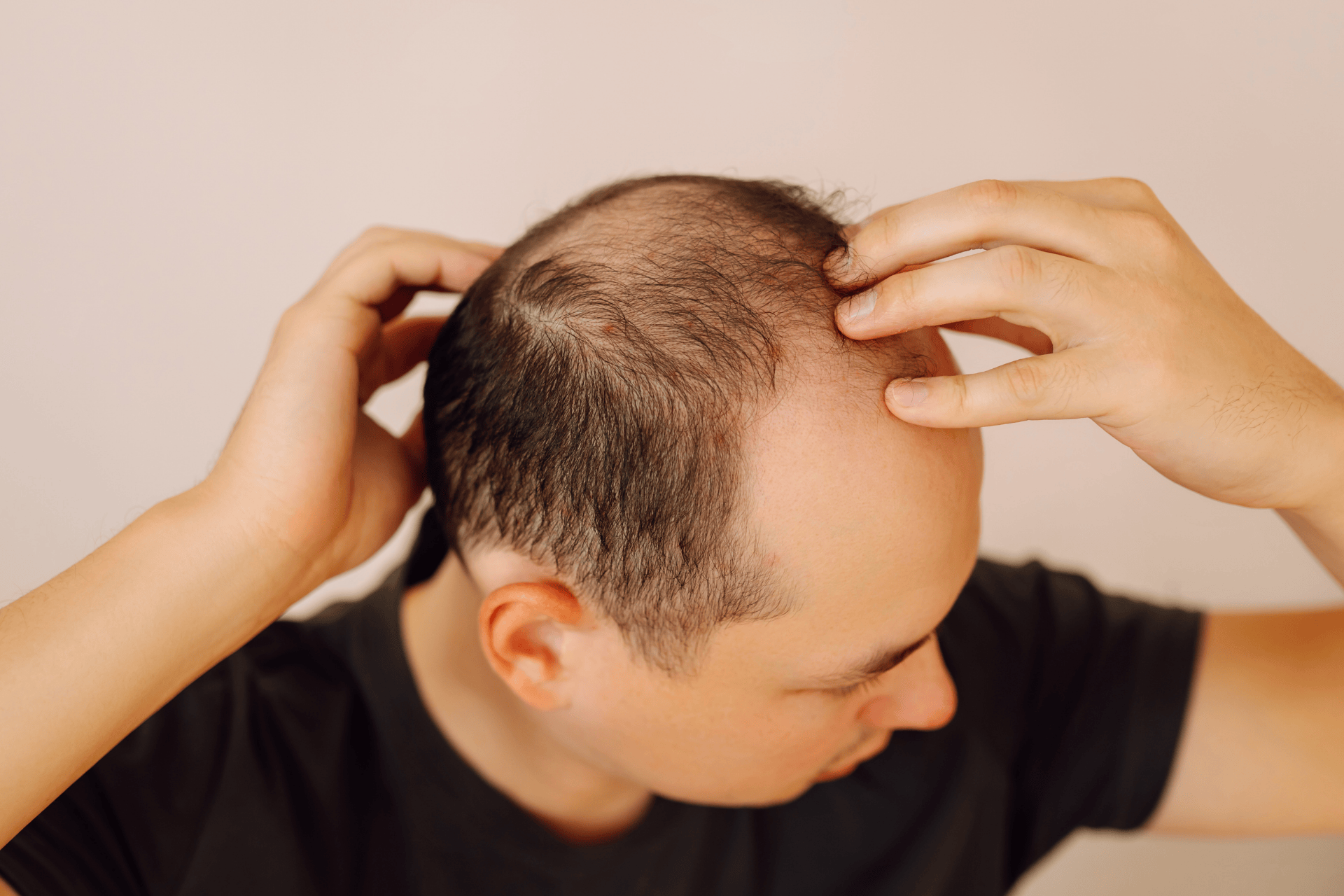
Hair loss on the crown of the head is a common issue that affects millions of people worldwide. This type of hair thinning or balding can be distressing, especially since it often occurs gradually and may go unnoticed until it becomes more pronounced. The crown, or vertex, is the area at the top of the scalp, and hair loss here can create a noticeable bald spot or thinning patch.
Identifying what causes hair loss in this specific area is essential to finding the right solution. The causes can vary widely, from genetic predispositions to health conditions, making a personalized approach to diagnosis and treatment important.
The crown is particularly susceptible to hair loss due to the way hair follicles in this area respond to hormones and aging. For many, hair on the crown thins before other parts of the scalp, which is why it is often one of the first places where balding appears.
Understanding the biology behind this helps clarify why some treatments work better than others, depending on the cause. For instance, androgenetic alopecia, commonly known as male or female pattern baldness, is often linked to genetic factors and hormonal changes that can lead to miniaturization of hair follicles. This condition is characterized by a gradual thinning of hair, particularly noticeable at the crown, and can start as early as the late teens or early twenties in some individuals.
Factors such as stress, nutritional deficiencies, and certain medical conditions like thyroid disorders can exacerbate hair loss at the crown. Stress-induced hair loss, known as telogen effluvium, can lead to a temporary shedding of hair, often affecting the crown area significantly. Nutritional deficiencies, particularly in vitamins and minerals such as iron, zinc, and biotin, can also play a crucial role in maintaining healthy hair growth. Therefore, addressing these underlying issues through dietary changes or supplementation can be an effective part of a comprehensive hair restoration strategy.
The most common cause of hair loss on the crown is androgenetic alopecia, also known as male or female pattern baldness. This hereditary condition is driven by genetics and hormones, particularly dihydrotestosterone (DHT), a derivative of testosterone.
DHT binds to hair follicles, shrinking them and shortening the hair growth cycle. Over time, this leads to thinner hair and eventually follicle inactivity, especially at the crown and hairline. Men typically experience a bald spot on the crown, while women may notice overall thinning.
Several medical issues can trigger hair loss on the crown, including:
Telogen Effluvium: A temporary condition caused by physical or emotional stress, illness, or hormonal changes that push hair follicles into a resting phase.
Alopecia Areata: An autoimmune disorder where the immune system attacks hair follicles, causing patchy hair loss that can affect the crown.
Scalp Infections: Fungal infections like ringworm can damage hair follicles and cause localized hair loss.
Consulting a healthcare professional can help identify these conditions early and guide appropriate treatment.
Certain medications can lead to hair thinning or loss as a side effect. These include drugs used for:
Blood pressure control
Cholesterol management
Chemotherapy for cancer
Antidepressants and mood stabilizers
If hair loss coincides with starting a new medication, discussing alternatives or supportive treatments with a doctor is advisable.
Diet, stress, and hair care habits also play a role in hair loss on the crown. Poor nutrition, lacking in essential vitamins and minerals, can weaken hair. Chronic stress may disrupt the hair growth cycle, leading to shedding. Harsh hair treatments or styles that pull on the scalp can damage follicles.
 How to Address Hair Loss on the Crown
Noticing thinning or balding on the crown should prompt a visit to a healthcare provider or a specialist in hair loss. Early diagnosis can improve treatment outcomes. If you want quick and affordable access to expert medical advice, consider using telehealth platforms like Doctronic.ai. This service offers 24/7 video visits with licensed doctors who can evaluate your symptoms, provide a diagnosis, and recommend treatment options without leaving home.
Treatment depends on the underlying cause. Common approaches include:
Medications: Minoxidil is an over-the-counter topical treatment that can stimulate hair growth at the crown. Prescription medications like finasteride are also used for male pattern baldness.
Hair Transplant Surgery: For more advanced hair loss, surgical options can restore hair density in the crown area.
Addressing Medical Conditions: Treating underlying illnesses or infections can halt or reverse hair loss.
Lifestyle Changes: Improving diet, reducing stress, and avoiding damaging hair practices support overall hair health.
Hair regrowth takes time, often several months before noticeable improvement. Consistency with treatment and regular follow-ups with healthcare providers are important. Telehealth services like Doctronic.ai make it easier to track progress and adjust plans as needed.
Protecting hair on the crown starts with gentle care:
Use mild shampoos and conditioners suited for your hair type.
Avoid excessive heat styling and chemical treatments.
Be gentle when brushing or combing to prevent breakage.
A balanced diet rich in protein, iron, zinc, and vitamins A, C, D, and E supports hair follicle health. Some people benefit from supplements like biotin, but it is best to consult a healthcare professional before starting any new regimen.
Since stress can trigger or worsen hair loss, incorporating relaxation techniques such as meditation, exercise, or hobbies can be beneficial. Addressing mental health is an important part of overall wellness and hair care.
Hair loss on the crown can be worrying, but help is available. Telehealth services provide an easy way to connect with medical experts who understand the complexities of hair loss and can guide you toward effective solutions. Doctronic.ai offers fast, affordable consultations that fit your schedule, making it simpler to get personalized care without waiting weeks for an appointment.
Whether you want a second opinion, treatment recommendations, or ongoing support, AI-powered telehealth is changing how people approach their health, including hair concerns.
It depends on the cause. Hair loss due to temporary conditions like telogen effluvium can often reverse with proper care. Genetic hair loss is usually progressive but can be managed with treatments that slow or partially reverse thinning.
Yes, chronic stress can disrupt the hair growth cycle and lead to shedding, including on the crown. Managing stress is important alongside other treatments.
While some natural oils and scalp massages may improve scalp health, they are unlikely to reverse significant hair loss. Medical treatments and professional advice are more effective for lasting results.
It is best to seek advice as soon as you notice unusual thinning or bald spots. Early intervention can improve outcomes and help identify any underlying health issues.
Yes, many telehealth providers, including Doctronic.ai, use video consultations and patient history to diagnose common hair loss causes and recommend treatment. For complex cases, they may refer you for an in-person evaluation.
Understanding Hair Loss on the CrownHair loss on the crown of the head is a common issue that affects millions of people worldwide. This type of hair thinning or balding can [...]
Read More
Join 50,000+ readers using Doctronic to understand symptoms, medications,
and next steps.
Add your phone number below to get health updates and exclusive VIP offers.
By providing your phone number, you agree to receive SMS updates from Company. Message and data rates may apply. Reply “STOP” to opt-out anytime. Read our Privacy Policy and Terms of Service for more details.
Save your consults. Talk with licensed doctors and manage your health history.
