Smart inhalers combine traditional inhaler technology with digital features (sensors or integrated devices) to improve asthma and COPD management.
They track medication use, remind patients to take doses, and provide data to healthcare providers for better treatment decisions.
Several smart inhaler devices are available, each with unique features like Bluetooth connectivity and app integration.
Using smart inhalers can lead to better symptom control, fewer emergency visits, and more personalized care.
Telehealth services like Doctronic.ai complement smart inhalers by offering quick access to medical advice and ongoing support.
Understanding Smart Inhalers and How They Work
Smart inhalers are an innovative step forward in managing respiratory conditions such as asthma and chronic obstructive pulmonary disease (COPD). Unlike traditional inhalers, smart inhalers come equipped with digital technology that tracks when and how often you use your medication. This data is typically sent to a smartphone app or directly to your healthcare professional, allowing for a more detailed understanding of your treatment patterns.
These devices usually include sensors that detect inhaler usage, dose timing, and sometimes even the strength of each inhalation. This information helps patients stay on track with their medication schedules and provides doctors with insights that can guide personalized treatment plans. The integration of cloud-based data storage means that patients and healthcare providers can access historical data over time, enabling them to identify trends, triggers, and potential areas for intervention.
How Smart Inhalers Improve Medication Adherence
One of the biggest challenges in managing chronic respiratory diseases is ensuring patients take their medication consistently. Smart inhalers address this by sending reminders and alerts through connected apps. These notifications can reduce missed doses and encourage better adherence to prescribed treatment. The convenience of having reminders on a smartphone, which many people check multiple times a day, makes it easier to integrate medication into daily routines.
Many smart inhalers provide feedback on inhaler technique, which is crucial because improper use can reduce medication effectiveness. By improving both adherence and technique, smart inhalers can lead to better overall health outcomes. Some models even include instructional videos or animations that demonstrate the correct inhalation methods, making it easier for users to learn and improve their technique. This real-time feedback loop not only empowers patients but also fosters a more collaborative relationship between patients and healthcare providers, as they can discuss specific data points during consultations. The data collected can help identify environmental factors that may exacerbate symptoms, allowing for more proactive management of the condition.
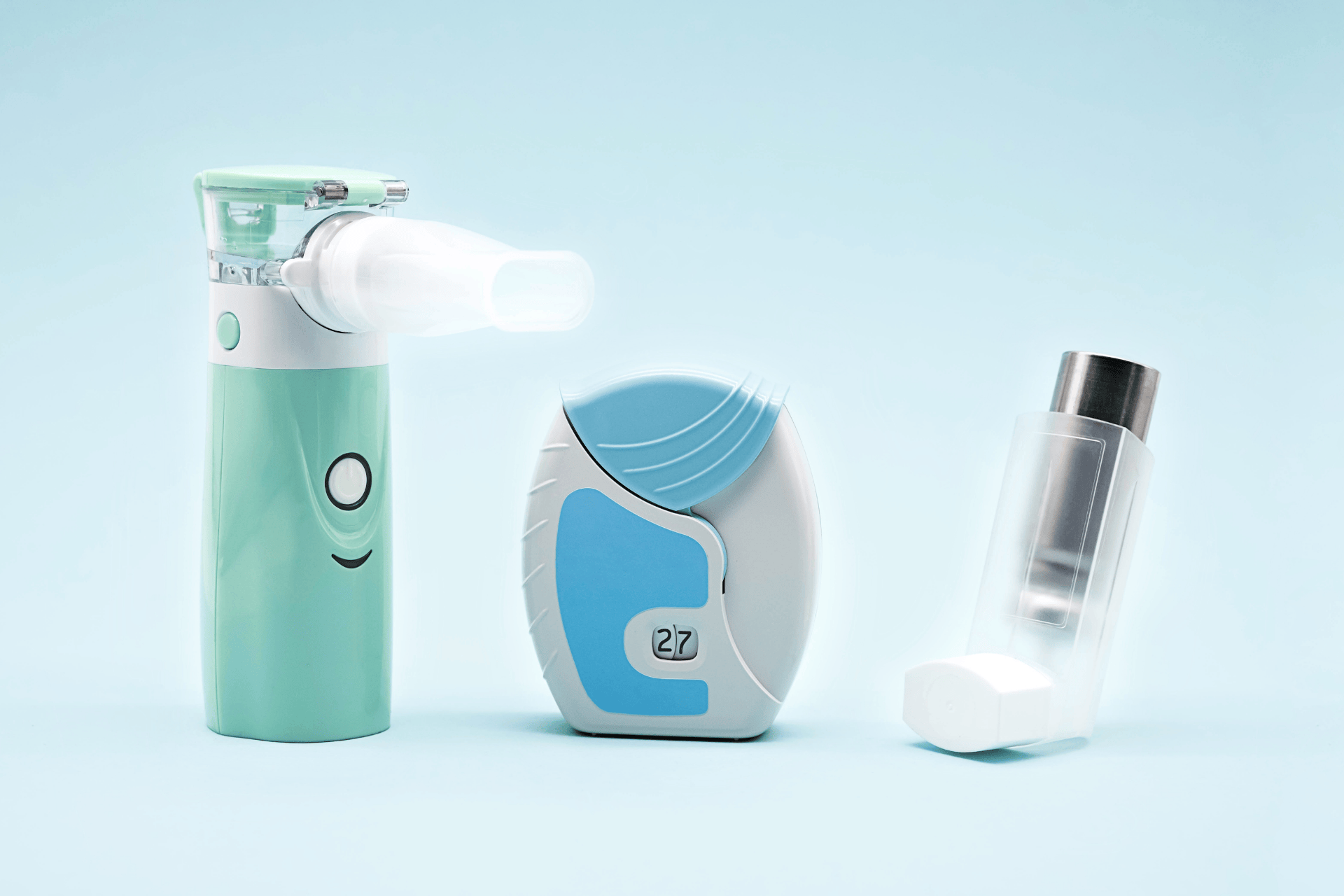
Popular Smart Inhalers on the Market
Several companies have developed smart inhalers, each offering features tailored to different needs. Here are some of the most widely used options:
Propeller Health
Propeller Health offers sensors that attach to existing inhalers and sync with a mobile app. The app tracks usage, triggers reminders, and provides insights into environmental factors that might affect symptoms. It also allows users to share data with their healthcare providers.
Adherium’s Smartinhaler
This device is designed to fit various inhaler types and records the date and time of each dose. The collected data is accessible through a secure platform, helping doctors monitor patient adherence and adjust treatments accordingly.
Other Emerging Devices
New smart inhalers continue to enter the market, often featuring enhanced connectivity, integration with health platforms, and real-time monitoring capabilities. Choosing the right device depends on your specific condition, inhaler type, and preferences.
Benefits of Using Smart Inhalers
Smart inhalers offer several advantages over traditional inhalers, especially for those managing chronic respiratory conditions.
Improved Symptom Control
By helping patients take medication as prescribed and improving inhaler technique, smart inhalers can reduce the frequency and severity of asthma attacks or COPD flare-ups.
Personalized Treatment Insights
Data collected by smart inhalers provides healthcare providers with a clearer picture of your condition. This allows for more informed decisions about medication adjustments or additional interventions.
Reduced Emergency Visits
Better management often leads to fewer emergency room visits and hospitalizations, which benefits both patients and the healthcare system.
Empowerment Through Data
Patients gain a better understanding of their condition and triggers by reviewing their usage patterns and symptom trends. This knowledge can motivate healthier behaviors and proactive care.
How Telehealth Complements Smart Inhaler Use
Smart inhalers generate valuable data, but having quick access to medical advice is equally important. Telehealth services like Doctronic.ai provide an easy way to consult with healthcare professionals anytime you have questions or concerns about your respiratory health.
Convenient Access to Medical Support
Doctronic.ai offers affordable video visits with licensed doctors 24/7 across all 50 states. This means you can discuss your smart inhaler data, get treatment recommendations, or seek a second opinion without leaving home.
Integrating AI for Personalized Care
Doctronic’s AI-powered platform uses the latest medical research to deliver fast, accurate answers tailored to your health history. It remembers your previous visits and provides ongoing support, making it an ideal companion to smart inhaler technology.
Combining Technology for Better Outcomes
Using smart inhalers alongside telehealth services creates a comprehensive approach to managing respiratory conditions. The inhaler tracks your medication use, while Doctronic.ai ensures you have expert guidance whenever needed.
Is a Smart Inhaler Right for You?
Smart inhalers are especially beneficial for people who struggle with medication adherence, have frequent asthma or COPD symptoms, or want to take a more active role in managing their condition. They are also helpful for caregivers and healthcare providers who want detailed information to optimize treatment plans.
Considerations Before Choosing a Smart Inhaler
Compatibility with your current inhaler type
Ease of use and app functionality
Data privacy and security features
Cost and insurance coverage
Discussing these factors with your healthcare provider can help determine if a smart inhaler fits your needs. You can also consult with doctors through Doctronic.ai to get personalized advice on managing your respiratory health.
Taking Control of Your Respiratory Health
Smart inhalers represent a significant advancement in how respiratory diseases are managed. By combining medication delivery with digital tracking and reminders, they help patients stay on course and provide valuable data to healthcare providers.
Pairing smart inhalers with telehealth services like Doctronic.ai offers a powerful combination of technology and expert care. This approach supports faster, smarter, and more personal management of your respiratory health, right from your home.
Frequently Asked Questions
Smart inhalers are primarily used for asthma and chronic obstructive pulmonary disease (COPD), helping patients manage symptoms and medication use more effectively.
Most smart inhalers use Bluetooth technology to sync with a smartphone app, where you can view usage data, receive reminders, and share information with your healthcare provider.
No, smart inhalers are tools to assist with medication management. Regular check-ups with healthcare professionals remain essential. Telehealth services like Doctronic.ai can supplement in-person care by providing quick access to medical advice.
Coverage varies by insurer and device. It is best to check with your insurance provider and the manufacturer for specific information on costs and reimbursement.
Studies show that smart inhalers can improve medication adherence, reduce asthma attacks, and decrease emergency visits by providing better monitoring and reminders.
Key takeawaysSmart inhalers combine traditional inhaler technology with digital features (sensors or integrated devices) to improve asthma and COPD management.They track [...]



 Popular Smart Inhalers on the Market