

Tirzepatide and Heart Rate: What to Know
Understanding Tirzepatide and Its UsesTirzepatide is a medication that has gained attention for its dual action in managing blood sugar levels and aiding weight loss. It [...]
Read More
Medically reviewed by Alan Lucks | MD, Alan Lucks MDPC Private Practice - New York on January 17th, 2026.
Tirzepatide is a medication primarily used to manage type 2 diabetes and support weight loss.
Understanding its effects on heart rate is important for anyone considering or currently using tirzepatide.
While tirzepatide can cause a slight increase in heart rate, this effect is generally mild and manageable.
Monitoring heart health during treatment is recommended, especially for individuals with pre-existing cardiovascular conditions.
Telehealth services like Doctronic.ai offer convenient access to medical advice and monitoring for patients on tirzepatide.
Tirzepatide is a medication that has gained attention for its dual action in managing blood sugar levels and aiding weight loss. It works by activating receptors for two hormones, GLP-1 and GIP, which help regulate insulin secretion and appetite. This makes tirzepatide an option for people with type 2 diabetes and those seeking effective weight management strategies. Clinical trials have shown that patients using tirzepatide not only achieve significant reductions in HbA1c levels but also experience substantial weight loss compared to those on traditional diabetes medications. This dual benefit positions tirzepatide as a game-changer in diabetes care, potentially transforming the lives of millions who struggle with these interconnected health issues.
Beyond its metabolic effects, tirzepatide has been studied for its impact on cardiovascular health, including heart rate. Since heart rate is a key indicator of cardiovascular function, understanding how tirzepatide influences it is crucial for safe and effective treatment.
Preliminary research suggests that tirzepatide may lead to improvements in cardiovascular risk factors, potentially lowering the risk of heart disease in patients with type 2 diabetes.
The medication appears to have a favorable safety profile, with most side effects being mild and manageable. As healthcare providers continue to explore the full range of tirzepatide's effects, it is essential to monitor patient responses closely, ensuring that both metabolic and cardiovascular health are optimized.
Tirzepatide's mechanism of action is particularly interesting because it mimics the body's natural processes. By enhancing insulin secretion in response to meals and simultaneously reducing glucagon levels, tirzepatide helps maintain a balanced metabolic state. This not only aids in blood sugar control but also contributes to a feeling of fullness, which can help curb overeating. As a result, patients may find it easier to adhere to dietary recommendations, further supporting their weight loss efforts. The potential for tirzepatide to be integrated into comprehensive lifestyle interventions, including diet and exercise, could pave the way for a holistic approach to managing type 2 diabetes and obesity.
Clinical trials have shown that tirzepatide can cause a small increase in resting heart rate, typically ranging from 1 to 4 beats per minute. This change is usually mild and does not lead to significant symptoms for most patients. The mechanism behind this effect is not fully understood but is thought to be related to the drug’s action on the nervous system and metabolic processes.
Similar medications, such as GLP-1 receptor agonists, have also been associated with slight increases in heart rate. This suggests that the effect may be a class characteristic rather than unique to tirzepatide. Despite this, the overall cardiovascular benefits of tirzepatide, including improved blood sugar control and weight loss, may outweigh the minor heart rate changes for many patients.
For most people, the small increase in heart rate does not translate into adverse cardiovascular outcomes. In fact, tirzepatide has shown promising results in reducing risk factors associated with heart disease. Still, patients with existing heart conditions should be closely monitored to ensure their treatment remains safe and effective.
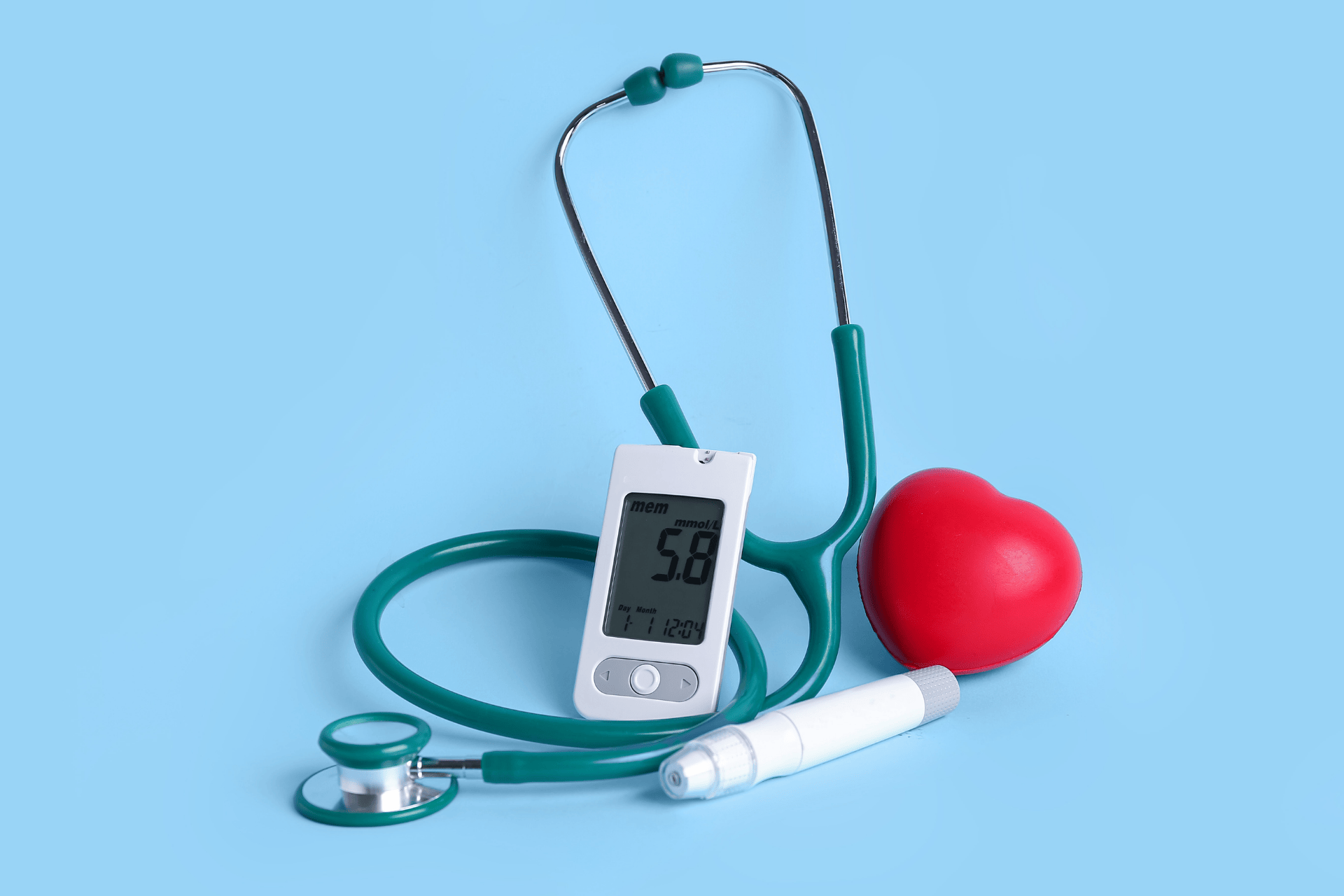 Who Should Monitor Their Heart Rate While Using Tirzepatide?
People with a history of heart disease, arrhythmias, or other cardiovascular issues should consult their healthcare provider before starting tirzepatide. Regular heart rate monitoring can help detect any unusual changes early and guide treatment adjustments if needed.
Since blood pressure and heart rate are closely linked, those with hypertension should keep an eye on both while on tirzepatide. Managing blood pressure, diabetes, and weight is essential for overall heart health.
Older patients or those taking several medications may be more sensitive to changes in heart rate. Coordinating care with a healthcare professional ensures that tirzepatide fits safely into their overall treatment plan.
Routine medical appointments are key when starting tirzepatide. These visits allow healthcare providers to track heart rate, blood pressure, and other vital signs. Patients can also use wearable devices or home monitors to keep an eye on their heart rate between visits.
Although mild heart rate increases are common, certain symptoms warrant prompt medical attention. These include palpitations, chest pain, dizziness, or shortness of breath. If any of these occur, contacting a healthcare provider immediately is important.
Accessing medical advice and monitoring can be easier with telehealth services. Doctronic.ai offers affordable, 24/7 video visits with licensed doctors across all 50 states. This makes it simple to discuss any concerns about tirzepatide and heart rate without leaving home.
Tirzepatide has demonstrated strong effectiveness in lowering blood sugar and promoting weight loss. These benefits contribute to reducing the risk of complications from diabetes, including heart disease, kidney problems, and nerve damage.
The mild increase in heart rate should be considered alongside the broader health improvements tirzepatide offers. For many patients, the advantages outweigh the risks, especially when heart health is monitored carefully.
Every patient’s situation is unique. Discussing personal health history, current medications, and lifestyle with a healthcare professional helps determine if tirzepatide is appropriate and how to manage any side effects.
Tirzepatide offers meaningful benefits for managing type 2 diabetes and supporting weight loss. Its effect on heart rate is generally mild and manageable with proper monitoring. Patients with cardiovascular concerns should work closely with their healthcare providers to ensure safe use. Telehealth platforms like Doctronic.ai make it easier than ever to get expert advice and maintain heart health while using tirzepatide.
Most patients experience only a small, mild increase in heart rate that is not dangerous. Serious heart rate problems are rare but should be monitored, especially in those with existing heart conditions.
Do not stop the medication without consulting your healthcare provider. They can evaluate your symptoms and decide if any changes to your treatment are necessary.
While tirzepatide may slightly raise heart rate, it also helps reduce risk factors like high blood sugar and excess weight, which can improve overall cardiovascular health.
Using wearable heart rate monitors, home blood pressure cuffs, personal EKGs or regular check-ups with your doctor are effective ways to monitor your heart rate during treatment.
Telehealth services such as Doctronic.ai provide quick and affordable access to doctors who can answer questions and help manage your treatment.
Tirzepatide may cause a mild increase in heart rate, but it is generally safe and manageable when monitored, especially given its strong benefits for blood sugar control and weight loss. For personalized guidance and convenient heart health monitoring, telehealth services like Doctronic.ai make safe, informed treatment easier.
Understanding Tirzepatide and Its UsesTirzepatide is a medication that has gained attention for its dual action in managing blood sugar levels and aiding weight loss. It [...]
Read More