

Switching From Wegovy to Zepbound - What to Expect
Zepbound’s Metabolic Benefits and Considerations for Transitioning From WegovyIn addition to its primary benefits, Zepbound has shown promise in improving metabolic health [...]
Read More
Medically reviewed by Alan Lucks | MD, Alan Lucks MDPC Private Practice - New York on November 24th, 2025.
Tirzepatide (Zepbound) activates both GIP and GLP-1 receptors, leading to 15-20% total body weight loss in clinical trials compared to 10-15% with semaglutide (Wegovy) alone.
Transitioning typically involves stopping Wegovy and starting Zepbound at 2.5mg weekly, with potential overlap of GI effects like nausea lasting 2-4 weeks as your system adjusts.
Beyond weight reduction, tirzepatide reduces sleep apnea episodes by decreasing upper airway fat deposits, with some patients experiencing 25-30% fewer breathing interruptions per night.
Weekly injection timing should remain consistent (same day each week) to maintain steady hormone levels, with doses escalating monthly up to 15mg maximum based on tolerance and results.
Patients with personal or family history of medullary thyroid carcinoma or Multiple Endocrine Neoplasia syndrome type 2 cannot use tirzepatide due to increased tumor risk in animal studies.
In addition to its primary benefits, Zepbound has shown promise in improving metabolic health markers, which can be particularly beneficial for individuals struggling with obesity-related conditions. Research indicates that the medication not only aids in weight loss but also positively impacts blood sugar levels and lipid profiles, making it a multifaceted approach to health improvement. This is especially relevant for patients who may also be managing type 2 diabetes or cardiovascular risks, as effective weight management can lead to a reduction in these associated health issues.
The transition from Wegovy to Zepbound should be approached with careful consideration of individual health profiles. Patients are encouraged to engage in open discussions with healthcare providers about their experiences with Wegovy and any concerns they may have regarding the switch. This dialogue can help tailor the treatment plan to better suit their needs, ensuring that any potential side effects are monitored and managed effectively. Incorporating supportive lifestyle changes, such as regular physical activity and a balanced diet, can enhance the overall effectiveness of Zepbound, leading to more sustainable long-term results.
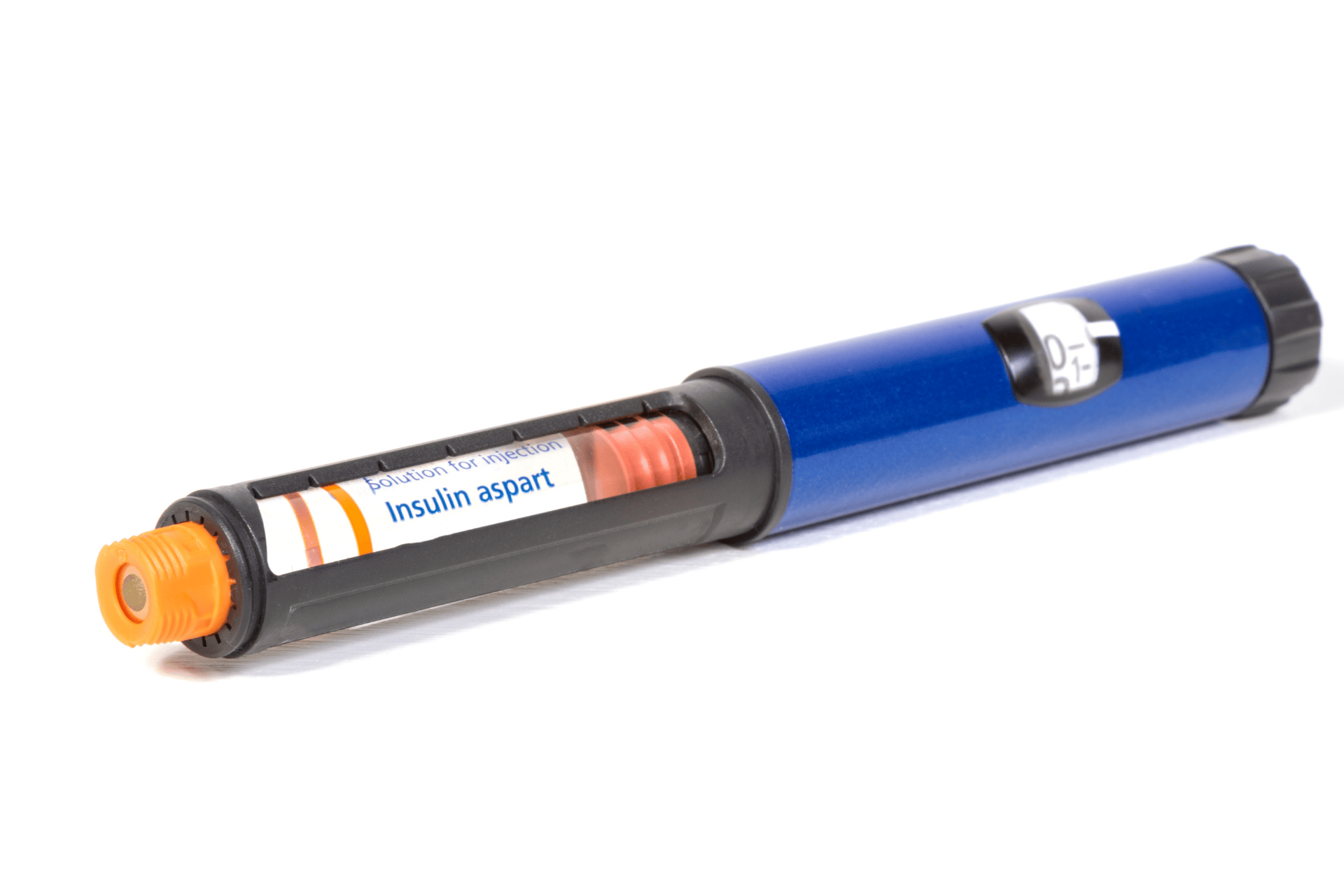 Understanding Zepbound: How It Works and Why It Matters
Zepbound, known generically as tirzepatide, is a once-weekly injectable medication designed to help adults with obesity or overweight manage their weight effectively. It works by activating two hormone pathways: glucose-dependent insulinotropic polypeptide (GIP) and glucagon-like peptide-1 (GLP-1) receptors. These hormones naturally regulate appetite, digestion, insulin release, and feelings of fullness.
By stimulating these receptors, Zepbound reduces hunger and slows stomach emptying, which leads to decreased calorie intake and sustained weight loss. Unlike some weight loss drugs that only target a single pathway, Zepbound’s dual action offers a more comprehensive approach to appetite control. This dual mechanism not only enhances the body’s ability to regulate blood sugar levels but also plays a crucial role in metabolic health, making it an innovative solution for individuals struggling with obesity and its associated complications.
One notable benefit of Zepbound is its positive impact on moderate to severe obstructive sleep apnea in adults with obesity. While it does not directly affect sleep centers in the brain, the weight loss it supports reduces fat deposits around the airway. This decrease in airway fat helps prevent airway collapse during sleep, improving OSA symptoms. Research has shown that individuals who lose weight often experience a significant reduction in the severity of their sleep apnea, leading to better sleep quality and overall health outcomes.
It’s important to note that Zepbound is not a sleep medication. Its effectiveness in improving OSA is tied to the weight reduction it facilitates, making it a valuable option for patients managing both obesity and sleep apnea. The improvement in sleep quality can have a cascading effect on various aspects of health, including mood, cognitive function, and cardiovascular health. As such, Zepbound not only aids in weight management but also contributes to a holistic approach to health, addressing multiple interconnected issues that often accompany obesity.
Both Wegovy and Zepbound are injectable medications used for weight management, but they differ in their mechanisms and dosing. Wegovy primarily activates the GLP-1 receptor, while Zepbound targets both GIP and GLP-1 receptors, potentially offering enhanced weight loss benefits.
Wegovy is typically administered once weekly, similar to Zepbound, but patients switching medications should be aware of differences in dosing schedules and titration protocols. Your healthcare provider will guide you through a safe transition plan to minimize side effects and optimize results.
When switching from Wegovy to Zepbound, some patients may experience changes in appetite, digestion, or side effects such as nausea, diarrhea, or constipation. These symptoms are common as your body adjusts to the new medication.
Consistency is key. Taking Zepbound as prescribed, once weekly, and maintaining communication with your healthcare provider will help manage any side effects and ensure the medication is working effectively.
Switching weight loss medications can raise questions or concerns. Telehealth platforms like Doctronic.ai provide 24/7 access to licensed doctors across all 50 states, offering quick, affordable video visits for personalized advice. This service is especially valuable for those navigating medication changes without easy access to in-person care.
Doctronic’s AI-powered system combines the latest peer-reviewed medical knowledge with real doctor expertise, ensuring you get smart, personal care whenever you need it. Whether you’re starting Zepbound or managing side effects, Doctronic can be your trusted partner.
 Maximizing Success With Zepbound
Zepbound’s effectiveness depends on consistent weekly dosing. Missing doses can reduce drug levels and limit weight loss benefits. If a dose is missed, contact your healthcare provider or use telehealth services like Doctronic.ai promptly to discuss the best next steps.
Medication alone isn’t enough for long-term success. Healthy eating habits, regular physical activity, and ongoing medical follow-up are essential components of a comprehensive weight management plan. Zepbound supports these efforts by curbing appetite and improving metabolic health, but lifestyle changes amplify results.
Common side effects include nausea, reduced appetite, diarrhea, constipation, and abdominal discomfort. Most side effects are mild and improve over time. However, patients with a personal or family history of medullary thyroid carcinoma (MTC) or multiple endocrine neoplasia syndrome type 2 (MEN2) should avoid Zepbound due to potential risks.
Switching from Wegovy to Zepbound can be a strategic move for those seeking enhanced weight loss and improved management of obesity-related conditions like obstructive sleep apnea. Understanding the differences between these medications, preparing for the transition, and leveraging telehealth resources will help ensure a smooth experience.
Remember, your healthcare provider is your best guide throughout this process. For convenient, expert support anytime, consider using Doctronic.ai. With its AI-powered and doctor-backed care, you can get answers and treatment recommendations quickly, helping you stay on track with your health goals.
Zepbound targets two hormone pathways, GIP and GLP-1, while Wegovy targets only GLP-1. This dual action may provide enhanced weight loss for some patients, but effectiveness varies individually. Consult your doctor to determine the best option for you.
Weight loss results typically begin within weeks but become more noticeable over several months. Consistency with dosing and lifestyle changes plays a major role in achieving sustained results.
Zepbound is FDA-approved for weight management and improving OSA related to obesity. If your sleep apnea is caused by anatomical issues or other non-obesity factors, Zepbound may not improve your symptoms.
Mild side effects often improve over time. If symptoms persist or worsen, contact your healthcare provider or use telehealth services like Doctronic.ai for guidance on managing side effects safely.
Telehealth platforms such as Doctronic.ai offer convenient access to licensed doctors who can provide personalized advice and support during medication transitions.
The switch to Zepbound's dual-receptor mechanism may provide superior weight loss results but requires careful dose titration and monitoring during the 4-week transition period. Managing temporary digestive symptoms while maintaining consistent weekly dosing maximizes therapeutic benefits. If you're considering this medication transition, Doctronic can provide personalized guidance on timing and expectations.
Zepbound’s Metabolic Benefits and Considerations for Transitioning From WegovyIn addition to its primary benefits, Zepbound has shown promise in improving metabolic health [...]
Read More