

Skin Health
Understanding Seborrheic Dermatitis: Causes, Symptoms, and Treatment Options
April 3, 2024
3 min read

Medically reviewed by Alan Lucks | MD, Alan Lucks MDPC Private Practice - New York on December 19th, 2025.
Published on December 19th, 2025. Updated on July 23rd, 2026.
Stasis dermatitis is a skin condition caused by poor circulation, mainly affecting the lower legs.
Common symptoms include swelling, redness, itching, and skin discoloration.
Early treatment focuses on improving blood flow and managing symptoms to prevent complications.
Telehealth services like Doctronic.ai provide quick access to medical advice and treatment options for stasis dermatitis.
Understanding lifestyle changes and medical treatments can help control stasis dermatitis effectively.
Questions about stasis dermatitis?
Free. Anonymous. Built by doctors.
This article covers general information. Ask Doctronic about your symptoms, medications, side effects, or treatment options.
Stasis dermatitis is a type of skin inflammation that mainly occurs on the lower legs. It results from poor blood circulation, especially when the veins struggle to return blood to the heart. This condition is often linked to chronic venous insufficiency, where blood pools in the legs and causes swelling and skin changes. The underlying issue is often related to the valves in the veins that may not function properly, leading to increased pressure in the veins and subsequent skin issues. This can be exacerbated by factors such as age, lifestyle, and overall health, making it essential to understand the mechanics behind the condition.
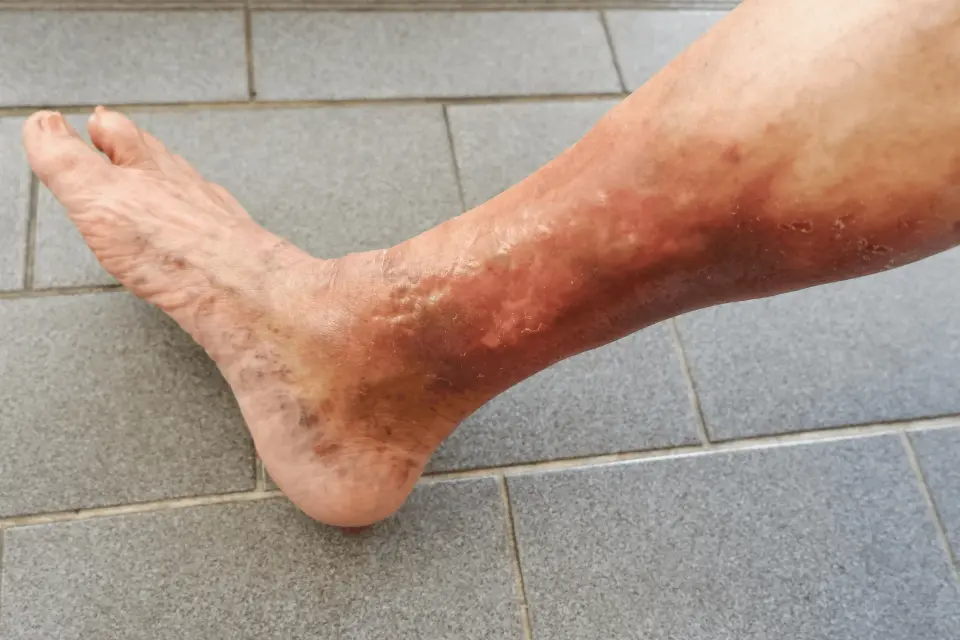
People with stasis dermatitis usually notice symptoms around the ankles and lower calves. The skin may become red, itchy, and scaly. Over time, the affected area can darken, and in some cases, open sores or ulcers may develop. These ulcers can be particularly painful and may take a long time to heal due to the compromised blood flow. Recognizing these signs early is crucial to managing the condition and preventing complications. Treatment often involves a combination of lifestyle changes, such as elevating the legs, wearing compression stockings, and maintaining a healthy weight, alongside medical interventions to improve circulation and skin health.
Stasis dermatitis tends to affect adults, particularly those over 50. Risk factors include varicose veins, obesity, a history of blood clots, and prolonged standing or sitting. People with heart or kidney problems may also be more prone to developing this condition. Individuals with a sedentary lifestyle or those who are frequently immobile, such as travelers on long flights or patients recovering from surgery, may find themselves at a higher risk. Understanding these risks helps in taking preventive measures and seeking timely care. Regular check-ups with a healthcare provider can aid in monitoring vascular health and addressing any emerging issues before they escalate into more serious conditions.
The primary cause of stasis dermatitis is poor venous circulation. When veins in the legs fail to pump blood efficiently back to the heart, blood pools in the lower extremities. This increased pressure damages blood vessels and causes fluid to leak into surrounding tissues, leading to swelling and skin irritation.
Several health issues contribute to the development of stasis dermatitis:
Chronic venous insufficiency
Varicose veins
Congestive heart failure
Obesity
These conditions interfere with normal blood flow and increase the risk of skin changes associated with stasis dermatitis.
Other contributors include:
Injury or trauma to the legs
Prolonged immobility
Age-related changes in skin and blood vessels
Addressing these factors can help reduce the severity of symptoms and improve skin health.
In the beginning stages, stasis dermatitis may cause mild symptoms such as:
Swelling in the lower legs and ankles
Redness or a pinkish hue on the skin
Itching and discomfort
Dry, flaky skin
These signs often come and go but tend to worsen without treatment.
As the condition advances, symptoms become more noticeable:
Brown or dark discoloration of the skin
Thickened, hardened skin texture
Open sores or ulcers that are slow to heal
Increased pain or tenderness
At this stage, prompt medical attention is essential to avoid infections and other complications.
If you notice persistent swelling, skin discoloration, or sores on your legs, it is important to consult a healthcare professional. Early diagnosis and treatment can prevent worsening of symptoms and improve quality of life.
 Treatment Options for Stasis Dermatitis
Managing stasis dermatitis begins with simple lifestyle adjustments that promote better circulation and skin care:
Elevate your legs regularly to reduce swelling
Wear compression stockings to support vein function
Maintain a healthy weight to reduce pressure on the veins
Exercise regularly to improve blood flow
Avoid standing or sitting for long periods
These steps can help control symptoms and prevent flare-ups.
When lifestyle changes are not enough, medical interventions may be necessary:
Topical corticosteroids: Reduce inflammation and itching
Antibiotics: Treat infections if sores are present
Moisturizers: Prevent skin dryness and cracking
Vein treatments: Procedures like sclerotherapy or laser therapy to improve vein function
Consulting a healthcare provider is crucial to determine the best treatment plan for your situation.
Accessing care for stasis dermatitis has become easier with telehealth services. Doctronic.ai offers fast and affordable video visits with licensed doctors across all 50 states. You can discuss symptoms, receive a diagnosis, and get treatment recommendations from the comfort of your home.
Doctronic’s AI-powered system provides instant answers based on the latest medical research and remembers your history for personalized care. This approach saves time and helps manage stasis dermatitis effectively without unnecessary delays.
Get stasis dermatitis treatment online today
A licensed doctor can review your symptoms and send a prescription to your pharmacy, often the same day.
Related medications we prescribe
Learn moreKeeping the skin healthy is key to preventing flare-ups. Use gentle cleansers and moisturizers regularly. Avoid harsh soaps and hot water that can dry out the skin further.
Control any underlying health issues such as diabetes, obesity, or heart problems. Regular check-ups and following medical advice reduce the risk of stasis dermatitis worsening.
Simple activities like walking or leg exercises can improve blood flow. Avoid crossing your legs while sitting, and take breaks to move around if your job requires long periods of sitting or standing.
Stasis dermatitis can be challenging, but with proper care, symptoms can be managed effectively. Early recognition, lifestyle changes, and timely treatment are essential to prevent complications like infections or ulcers.
Telehealth services such as Doctronic.ai make it easier than ever to get medical support quickly. Whether you need an initial diagnosis or ongoing care, these platforms provide expert guidance tailored to your needs.
Remember, your skin reflects your overall health. Taking steps today to improve circulation and protect your skin can lead to better outcomes and a more comfortable life.
No, stasis dermatitis is not contagious. It is caused by poor blood circulation and related health issues, not by an infection that can spread from person to person.
Without treatment, stasis dermatitis usually worsens over time. Early intervention and lifestyle changes are important to control symptoms and prevent complications.
Dermatologists and vascular specialists commonly treat stasis dermatitis. Primary care physicians can also provide diagnosis and initial treatment. Telehealth services like Doctronic.ai connect you with qualified doctors conveniently.
Compression stockings help improve blood flow and reduce swelling, making them a key part of managing stasis dermatitis. Your doctor can recommend the right type and fit.
If untreated, stasis dermatitis can cause skin ulcers and infections, which may require more intensive medical care. Early treatment reduces these risks significantly.
Check symptoms of stasis dermatitis
Chat Now