
Signs of Asthma in Kids: How to Tell If Your Child Might Have Asthma and What to Do Next

Medically reviewed by Alan Lucks | MD, Alan Lucks MDPC Private Practice - New York on December 17th, 2025.
Published on December 15th, 2025. Updated on July 23rd, 2026.
Key takeaways
Recognize common and subtle signs of asthma in children, including coughing, wheezing, and shortness of breath.
Understand triggers that may worsen asthma symptoms and how to monitor your child’s breathing.
Learn when to seek professional medical advice and how telehealth services like Doctronic.ai can provide quick, expert guidance.
Explore practical steps for managing asthma symptoms and ensuring your child’s health and safety.
Understanding Asthma in Children
Asthma is a chronic condition that affects the airways, causing them to become inflamed and narrow. This can make breathing difficult, especially for children whose lungs are still developing. Identifying asthma early is crucial because it allows for timely treatment and better control of symptoms, reducing the risk of severe attacks. Pediatric asthma can manifest in various ways, including wheezing, coughing, shortness of breath, and chest tightness. These symptoms can vary in intensity and frequency, often worsening at night or during physical activity, which can be particularly distressing for young children.
Many parents find it challenging to distinguish between common childhood coughs or colds and asthma symptoms. The key difference is that asthma symptoms tend to be persistent or triggered by specific factors like exercise, allergens, or cold air. Children with asthma may exhibit symptoms that last longer than a typical cold or may respond poorly to over-the-counter cough medications. Recognizing these signs early can help parents seek appropriate medical advice and interventions.
Why Early Detection Matters
When asthma goes undiagnosed, children may experience frequent breathing difficulties that interfere with daily activities, sleep, and school attendance. Early detection helps manage the condition effectively, improving quality of life and preventing emergencies. Untreated asthma can lead to long-term complications, such as decreased lung function and increased susceptibility to respiratory infections. This underscores the importance of regular check-ups and open communication with healthcare providers, who can offer tailored management plans that include medication, lifestyle adjustments, and education on avoiding triggers.
In addition to medical management, fostering a supportive environment at home and school is essential for children with asthma. Parents and teachers can work together to create asthma action plans that outline what to do in case of an asthma attack, including recognizing warning signs and knowing when to seek emergency help. Educating children about their condition empowers them to take an active role in managing their asthma, such as recognizing their symptoms and using inhalers correctly. This collaborative approach not only helps improve the child’s health outcomes but also alleviates anxiety for both the child and their caregivers.
Common Signs of Asthma in Kids
Recognizing asthma symptoms can be tricky, especially in young children who may not be able to describe how they feel. Here are the most common signs to watch for:
Coughing That Won’t Go Away
A persistent cough, especially one that worsens at night or after physical activity, is often one of the earliest signs of asthma. Unlike a typical cold cough, this one may linger for weeks and does not respond well to usual remedies.
Wheezing or Whistling Sounds When Breathing
Wheezing is a high-pitched sound heard when a child exhales. It happens because the airways are narrowed or blocked. If you notice wheezing during playtime or at rest, it’s a strong indicator of asthma.
Shortness of Breath and Chest Tightness
Children with asthma might complain of feeling like they can’t take a deep breath or have tightness in their chest. They may also breathe faster than usual or show signs of struggling to catch their breath.
Fatigue and Difficulty Keeping Up with Activities
Asthma can make physical activity challenging. If your child tires quickly or avoids exercise because of breathing difficulties, it could be a sign that their lungs are not getting enough air.
Triggers That Can Make Asthma Symptoms Worse
Asthma symptoms often flare up when a child encounters certain triggers. Knowing these can help you protect your child and reduce the frequency of attacks.
Common Asthma Triggers
Allergens: Dust mites, pet dander, pollen, and mold can irritate the airways.
Respiratory Infections: Colds and flu often worsen asthma symptoms.
Exercise: Physical activity, especially in cold weather, may trigger symptoms.
Environmental Irritants: Smoke, strong odors, and pollution can provoke asthma attacks.
Weather Changes: Cold air or sudden changes in temperature can affect breathing.
Monitoring Your Child’s Symptoms
Keeping a symptom diary can be helpful. Note when symptoms occur, their severity, and any possible triggers. This information is valuable when discussing your child’s health with a doctor.
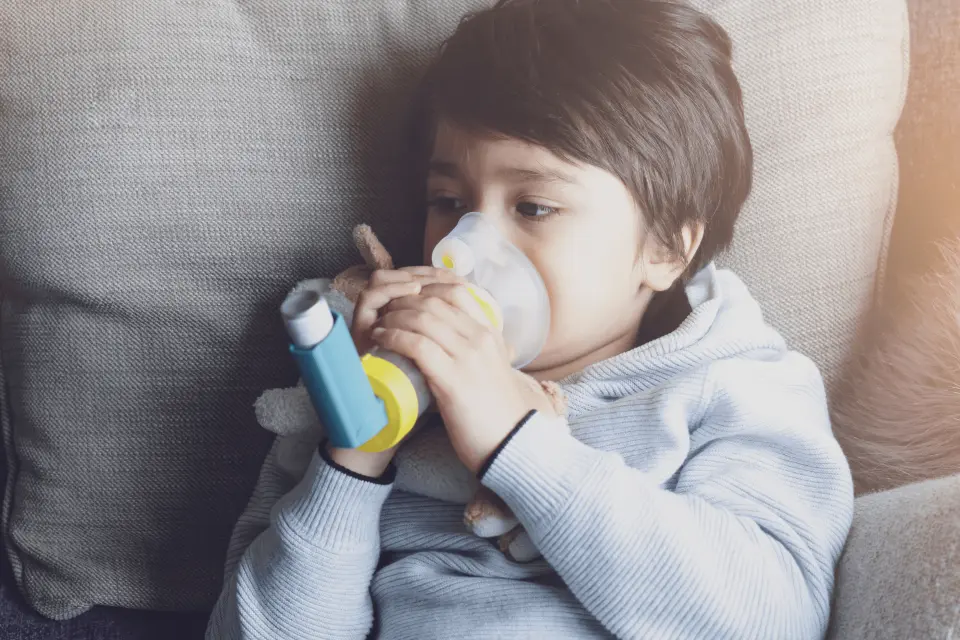 What to Do If You Suspect Your Child Has Asthma
Recognizing the signs is just the first step. Knowing what to do next can make a big difference in managing your child’s health.
When to Seek Medical Advice
If your child shows any of the signs listed above, especially persistent coughing or wheezing, it is important to consult a healthcare professional. Early diagnosis and treatment can prevent complications.
For quick and convenient access to medical advice, telehealth services like Doctronic.ai offer video visits with licensed doctors 24/7. This can be particularly helpful if you need guidance outside of regular office hours or cannot easily visit a clinic.
Preparing for the Doctor’s Visit
Bring your symptom diary or notes about your child’s breathing and triggers.
List any questions or concerns you have about your child’s health.
Be ready to discuss the family history of asthma or allergies.
How Doctors Diagnose Asthma in Children
A doctor will typically review symptoms and medical history and may perform lung function tests if your child is old enough. In some cases, they might recommend allergy testing or other evaluations to identify triggers.
Managing Asthma: Steps for Parents
Once a diagnosis is made, managing asthma involves a combination of medication, lifestyle adjustments, and monitoring.
Medications and Treatment Plans
Doctors usually prescribe inhalers that deliver medication directly to the lungs. These may include:
Quick-relief inhalers: Used during asthma attacks to open airways immediately.
Long-term control inhalers: Taken daily to reduce inflammation and prevent symptoms.
It is important to follow the prescribed treatment plan and keep all medications accessible.
Creating an Asthma Action Plan
An asthma action plan outlines how to manage symptoms daily and what to do during an attack. It includes:
Recognizing early warning signs
Steps to take if symptoms worsen
Emergency contact information
Work with your child’s doctor to develop and update this plan regularly.
Reducing Exposure to Triggers
Take steps to minimize your child’s contact with known triggers. This might mean using air purifiers, avoiding pets if allergic, or ensuring your child wears a scarf over their mouth in cold weather.
Get asthma treatment online today
A licensed doctor can review your symptoms and send a prescription to your pharmacy, often the same day.
- $39 video visit
- Insurance accepted
- 4.8 on Trustpilot
Related medications we prescribe
- ProAir HFA albuterol
- Advair Diskus fluticasone-salmeterol
- Singulair montelukast
- Pulmicort budesonide / budesonide formoterol
- Xopenex levalbuterol
- Arnuity fluticasone furoate
- Dulera mometasone + formoterol
- Primatene Mist epinephrine inhaler
- Symbicort budesonide + formoterol
- Advair
- Intal cromolyn
- Proair albuterol sulfate inhalation / nebulizer solution
- Ventolin albuterol
- Proventil albuterol sulfate inhalation nebulization solution
- Flovent fluticasone propionate
- Maxair pirbuterol
- Alvesco ciclesonide
- Brethine terbutaline
- Pulmicort Respules budesonide nebulizer
- Albuterol Inhalation Nebulization
- Asmanex
- Budesonide Inhalation
- Albuterol
- Fluticasone Salmeterol
- Qvar beclomethasone dipropionate
- Levalbuterol
- Fluticasone Salmeterol For Inhalation
- Budesonide Formoterol
Using Telehealth for Ongoing Asthma Support
Managing asthma is an ongoing process. Telehealth platforms like Doctronic.ai provide easy access to medical professionals who can answer questions, adjust treatment plans, or offer second opinions without leaving home.
Doctronic’s AI-powered system remembers your child’s history and provides personalized advice based on the latest medical research. This can be a valuable tool for busy parents seeking reliable care quickly.
Helping Your Child Live Well with Asthma
With proper management, children with asthma can lead active, healthy lives. Encouraging your child to communicate about their symptoms and teaching them how to use inhalers correctly empowers them to take control of their health.
Regular check-ins with healthcare providers and staying informed about asthma will help you support your child every step of the way.
Frequently Asked Questions
Yes, asthma symptoms can appear suddenly, especially after a respiratory infection or exposure to a trigger. However, many children show signs gradually over time.
No, asthma is not contagious. It is a chronic condition related to airway inflammation and sensitivity.
Some children experience fewer symptoms as they grow older, but asthma can persist into adulthood. Ongoing management is important.
Asthma cough tends to be persistent, worse at night or with exercise, and may be accompanied by wheezing or shortness of breath. A cold usually improves within a week or two.
Telehealth services like Doctronic.ai provide safe, convenient access to licensed doctors who can evaluate symptoms, offer advice, and adjust treatment plans as needed.
Related articles

Get guidance for your child
Chat Now