

Semaglutide Diet Plan: What to Eat for Success
How Semaglutide Supports Weight LossSemaglutide is a medication originally developed for type 2 diabetes that has gained attention for its ability to aid weight loss. It [...]
Read More
Medically reviewed by Alan Lucks | MD, Alan Lucks MDPC Private Practice - New York on January 21st, 2026.
Semaglutide supports weight loss but works best with a balanced diet tailored to your needs.
Focus on whole foods rich in protein, fiber, and healthy fats to complement semaglutide’s effects.
Hydration and meal timing can influence appetite control and energy levels during treatment.
Consulting a healthcare provider through telehealth services like Doctronic.ai ensures personalized guidance and monitoring.
Understanding side effects and nutritional adjustments helps maintain long-term success with semaglutide.
Semaglutide is a medication originally developed for type 2 diabetes that has gained attention for its ability to aid weight loss. It works by mimicking a hormone called GLP-1, which regulates appetite and blood sugar levels. This hormone slows stomach emptying, making you feel full longer and reducing hunger. While semaglutide can be effective on its own, combining it with a thoughtful diet plan significantly improves outcomes.
Weight loss is never just about medication or diet alone. Semaglutide helps by reducing appetite, but what you eat during treatment matters. A diet that supports steady blood sugar, provides essential nutrients, and keeps you satisfied will maximize the benefits of semaglutide.
In addition to its appetite-suppressing effects, semaglutide has been shown to influence the brain's reward system, which plays a crucial role in food cravings and emotional eating. By modulating the signals that trigger these cravings, semaglutide can help individuals make healthier food choices and resist the temptation of high-calorie, low-nutrient foods. This dual action not only aids in weight loss but also promotes a healthier relationship with food, making it easier for individuals to adhere to their dietary goals over the long term.
The journey of weight loss with semaglutide can be further enhanced by incorporating regular physical activity. Exercise not only helps burn calories but also improves overall metabolic health and boosts mood. Engaging in a mix of cardiovascular and strength-training workouts can complement the effects of semaglutide, leading to more significant weight loss and improved body composition. As individuals begin to lose weight and feel more energetic, they may find it easier to stay active, creating a positive feedback loop that supports sustained weight management.
Protein plays a key role in feeling full and maintaining muscle mass during weight loss. Foods like lean meats, poultry, fish, eggs, dairy, legumes, and plant-based proteins should be staples in your meals. Including a source of protein in every meal helps stabilize blood sugar and keeps hunger at bay, which complements semaglutide’s appetite-suppressing effects. Protein is essential for repairing tissues and producing enzymes and hormones, making it a vital nutrient for overall health. For those who may struggle to meet their protein needs through food alone, protein shakes or bars can be a convenient supplement, especially post-workout when muscle recovery is crucial.
Fiber slows digestion and adds bulk to your meals, which supports fullness and digestive health. Vegetables, fruits, whole grains, nuts, and seeds are excellent sources. High-fiber foods also help regulate blood sugar levels, making them ideal for anyone using semaglutide. Aim for a variety of colorful vegetables and whole grains like quinoa, brown rice, or oats to keep meals interesting and nutritious. Incorporating different types of fiber, such as soluble and insoluble fiber, can enhance gut health. Soluble fiber, found in foods like oats and beans, can help lower cholesterol levels, while insoluble fiber, found in whole grains and vegetables, aids in digestive regularity. This combination not only promotes a healthy digestive system but also supports weight management by prolonging feelings of fullness.
Healthy fats from sources such as avocados, olive oil, nuts, and fatty fish provide sustained energy and support brain health. They also help you feel satisfied after eating. While semaglutide reduces appetite, moderate intake of these fats can help prevent cravings and support overall well-being. Avoid trans fats and limit saturated fats found in processed foods. Omega-3 fatty acids, found in fatty fish such as salmon and flaxseed, have been shown to reduce inflammation and may improve heart health, making them a smart addition to any diet. Incorporating these healthy fats can also enhance the absorption of fat-soluble vitamins, ensuring that your body gets the most out of the nutrients you consume.
Carbohydrates are an important energy source, but focusing on complex carbs rather than simple sugars is crucial. Choose whole grains, legumes, and starchy vegetables over sugary snacks and refined grains. This approach helps prevent blood sugar spikes and crashes, which can trigger hunger. Semaglutide’s effect on appetite works best when blood sugar remains stable throughout the day. Timing your carbohydrate intake can also play a role in managing energy levels. Consuming carbs around physical activity can provide the necessary fuel for workouts, while opting for lower-carb meals in the evening may help with weight management and improve sleep quality. Balancing carbohydrate intake with protein and healthy fats can create satisfying meals that keep you energized without compromising your health goals.
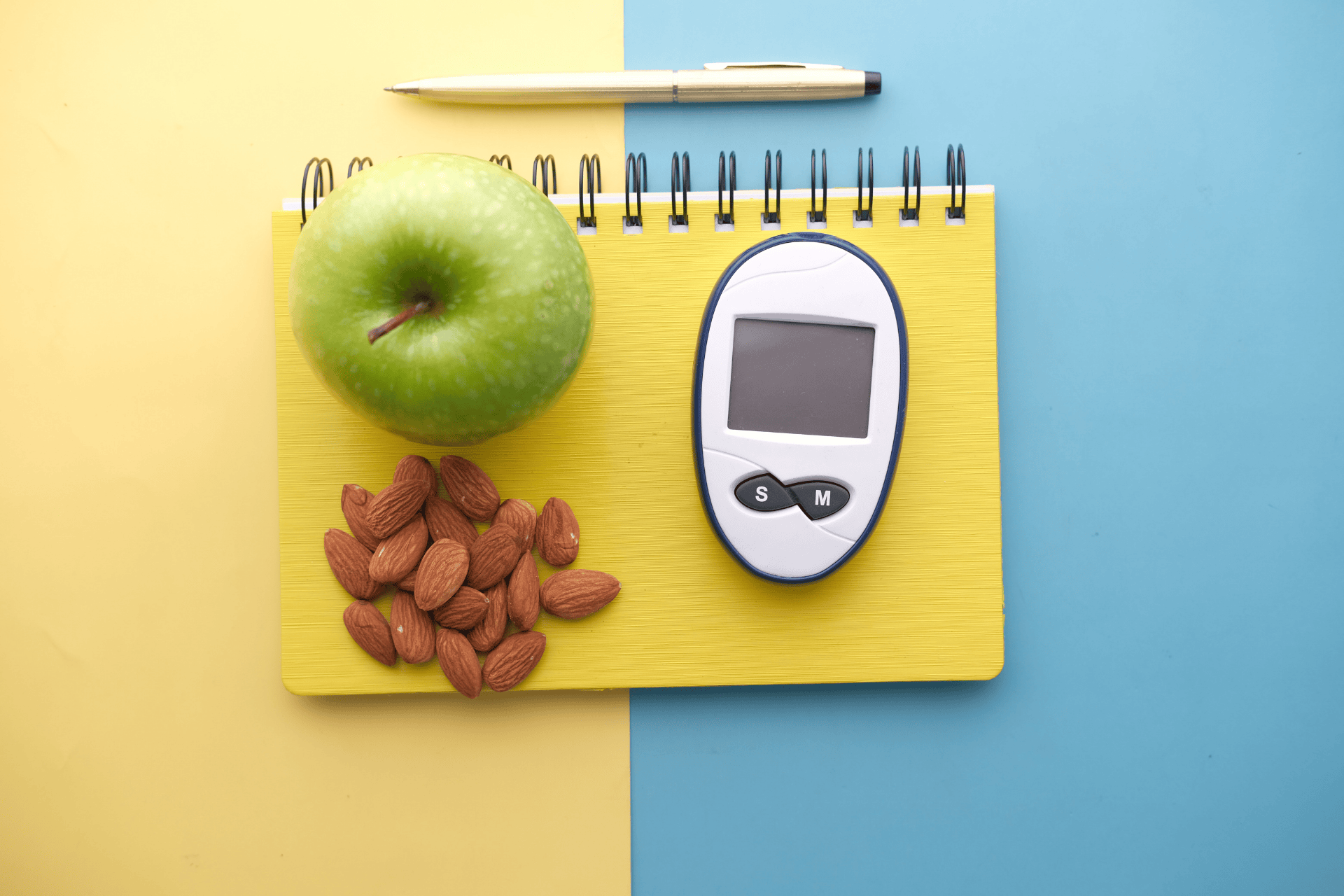 Meal Timing and Hydration Tips
Even though semaglutide reduces hunger, skipping meals can backfire by lowering energy and causing overeating later. Aim for three balanced meals with healthy snacks if needed. Consistent meal timing supports metabolism and helps maintain steady blood sugar levels.
Drinking enough water is essential during semaglutide treatment. Sometimes thirst can be mistaken for hunger, so staying hydrated helps control unnecessary snacking. Aim for at least eight glasses of water daily, and consider herbal teas or infused water for variety.
Some people experience nausea, bloating, or constipation when starting semaglutide. Eating smaller, more frequent meals can ease these symptoms. Focus on bland, easy-to-digest foods like bananas, rice, applesauce, and toast if nausea occurs. Increasing fiber gradually and drinking plenty of water can help prevent constipation.
Semaglutide often leads to reduced calorie intake because of appetite suppression. Make sure your meals remain nutrient-dense to avoid deficiencies. Including a variety of colorful vegetables, lean proteins, and healthy fats ensures you get essential vitamins and minerals even with smaller portions.
Personalized medical guidance is crucial when starting semaglutide or any weight loss treatment. Telehealth services like Doctronic.ai offer convenient, affordable access to licensed doctors who understand the latest in modern medicine and AI-powered care. This means you can get tailored advice about your diet, medication adjustments, and side effect management anytime, from anywhere in the US.
Doctronic’s AI doctor remembers your history and provides answers based on the most current peer-reviewed research. This personalized approach helps you stay on track with your semaglutide diet plan and weight loss goals without waiting weeks for an appointment.
Greek yogurt with mixed berries and a sprinkle of chia seeds
Whole-grain toast with avocado and a boiled egg
Grilled chicken salad with mixed greens, cherry tomatoes, cucumber, olive oil, and lemon dressing
Quinoa bowl with black beans, roasted vegetables, and a dollop of hummus
Baked salmon with steamed broccoli and sweet potato
Stir-fried tofu with mixed vegetables and brown rice
Almonds or walnuts
Carrot sticks with guacamole
Apple slices with natural peanut butter
Weight loss with semaglutide is a journey that benefits from steady habits and ongoing support. Tracking your food intake, listening to your body, and adjusting your diet as needed are important steps. Regular check-ins with healthcare providers through platforms like Doctronic.ai can help you navigate challenges and celebrate progress.
Remember, semaglutide is a tool, not a magic solution. Combining it with a balanced diet and a healthy lifestyle increases your chances of lasting success.
While semaglutide helps reduce appetite, eating nutrient-rich whole foods supports better weight loss and overall health. Avoiding processed foods and sugary snacks is recommended.
Results vary, but many people notice changes in appetite within a few weeks. Combining medication with a healthy diet accelerates weight loss and improves energy.
No. Semaglutide should be used under medical guidance. Telehealth services like Doctronic.ai provide accessible, expert care to ensure safe and effective use.
Mild side effects like nausea or digestive discomfort are common initially. Adjusting your diet and consulting your healthcare provider can help manage symptoms.
No. Semaglutide supports weight loss but works best when paired with a balanced diet and lifestyle changes.
Semaglutide can be a powerful aid for weight loss, but lasting success depends on pairing it with a balanced, nutrient-dense diet, proper hydration, and regular activity. Thoughtful food choices help manage side effects and sustain energy. For personalized diet and treatment guidance, Doctronic.ai offers convenient telehealth support every step of the way.
How Semaglutide Supports Weight LossSemaglutide is a medication originally developed for type 2 diabetes that has gained attention for its ability to aid weight loss. It [...]
Read More