
Ringworm vs Eczema: Key Differences and How to Tell Them Apart

Medically reviewed by Alan Lucks | MD, Alan Lucks MDPC Private Practice - New York on December 20th, 2025.
Published on December 19th, 2025. Updated on July 23rd, 2026.
Key takeaways
Ringworm and eczema often look similar but have different causes and treatments.
Ringworm is a contagious fungal infection, while eczema is a chronic inflammatory skin condition.
Recognizing symptoms like rash shape, itchiness, and spread can help distinguish between the two.
Proper diagnosis is important to avoid ineffective treatments and complications.
Telehealth services like Doctronic.ai offer quick, affordable consultations to get an accurate diagnosis and care.
Understanding Ringworm and Eczema: What Are They?
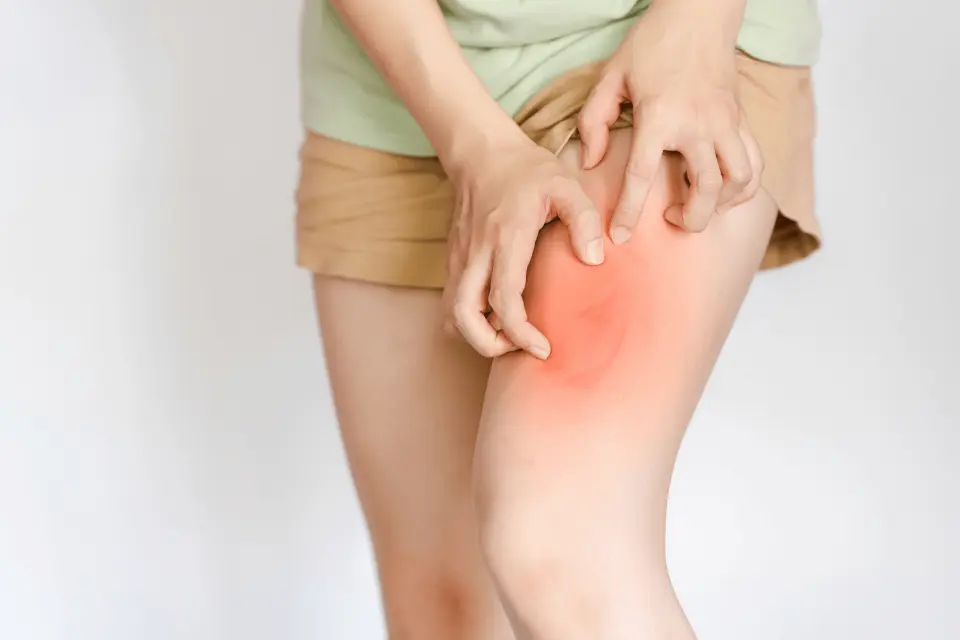
When a red, itchy rash appears on the skin, it’s natural to wonder if it’s ringworm or eczema. Both conditions can cause discomfort and look alike at first glance, but they stem from very different causes. Knowing what each condition is can help you figure out the right next steps.
What Is Ringworm?
Ringworm is not actually a worm. It’s a common fungal infection caused by dermatophytes, a type of fungus that thrives on the skin’s surface. This infection can appear anywhere on the body and spreads through direct contact with an infected person, animal, or contaminated objects like towels or clothing.
Ringworm typically shows up as a circular or ring-shaped rash with raised, scaly edges and clearer skin in the middle. The rash can be itchy and sometimes blister or ooze. Because it’s contagious, ringworm requires antifungal treatment to clear up and prevent spreading. Treatment often includes topical antifungal creams or oral medications for more severe cases. It’s essential to maintain good hygiene and keep the affected area clean and dry to help speed up recovery and prevent reinfection.
What Is Eczema?
Eczema, also called atopic dermatitis, is a chronic skin condition linked to immune system sensitivity. It causes patches of inflamed, dry, and itchy skin. Unlike ringworm, eczema is not contagious and often runs in families. It can flare up due to triggers like allergens, irritants, stress, or changes in weather.
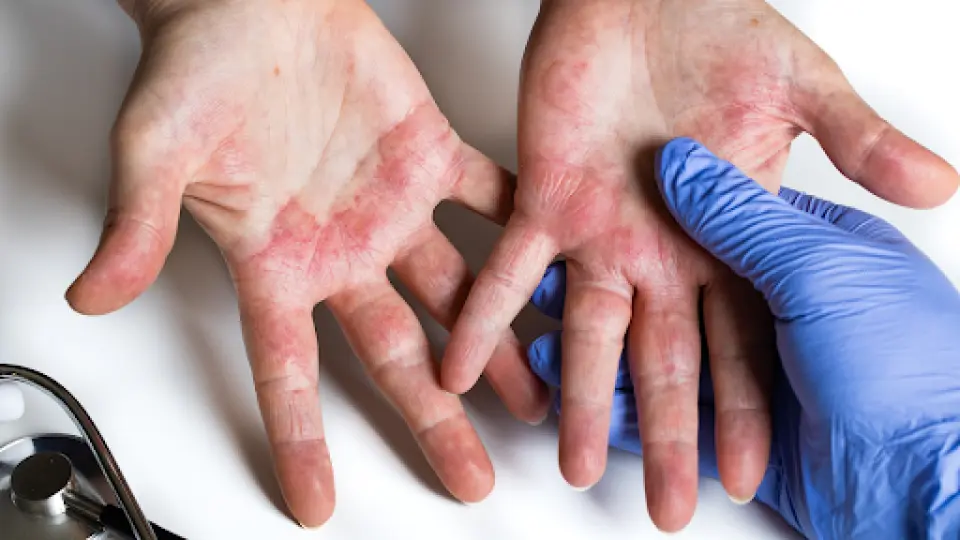
The rash from eczema usually appears as red, dry, and thickened skin, sometimes with cracking or oozing. It can develop anywhere, but is common on the hands, inside elbows, and behind the knees. Managing eczema focuses on soothing the skin and avoiding triggers. This often involves using moisturizers regularly to keep the skin hydrated and applying topical corticosteroids to reduce inflammation during flare-ups. Identifying and avoiding specific irritants, such as certain fabrics, soaps, or foods, can significantly improve the quality of life for those affected by this condition. Many individuals with eczema also find relief through lifestyle changes, such as reducing stress and incorporating gentle skincare routines that prioritize skin barrier protection.
Key Differences Between Ringworm and Eczema
Cause and Contagion
Ringworm: Caused by a fungal infection and is contagious.
Eczema: Caused by immune system reactions and is not contagious.
This difference is important because ringworm can spread to others, while eczema cannot. If you have ringworm, you should take precautions to avoid passing it on to family, friends, or pets.
Appearance and Pattern
Ringworm: Circular rash with raised edges and a clear center, often scaly.
Eczema: Irregularly shaped patches of dry, red, and thickened skin.
Ringworm’s classic ring shape helps identify it, though it can sometimes look different depending on the body area. Eczema tends to be more patchy and less defined in shape.
Symptoms and Sensations
Ringworm: Itching, sometimes burning or soreness; rash may blister or ooze.
Eczema: Intense itching, dry skin, sometimes painful cracks or oozing.
Both conditions cause itching, but eczema’s itch can be more persistent and severe, often leading to scratching that worsens the rash.
Duration and Response to Treatment
Ringworm: Usually clears with antifungal treatment within a few weeks.
Eczema: Chronic condition requiring ongoing skin care and management.
Ringworm responds well to antifungal creams or oral medications. Eczema treatment focuses on moisturizing, avoiding irritants, and sometimes using steroid creams or other prescription medications.
 How to Tell Them Apart: Practical Tips
Look for the Ring Shape
If the rash forms a clear ring with a scaly, raised border and a less affected center, ringworm is likely. Eczema usually lacks this distinct pattern.
Consider Contagion Risk
Think about recent contact with someone who has a fungal infection or exposure to animals like cats or dogs, which can carry ringworm. Eczema won’t spread from person to person.
Check for Other Symptoms
Blistering or oozing points more toward eczema, especially if the skin is cracked or very dry. Ringworm may blister, but usually stays more scaly.
Assess Duration and Response
If the rash doesn’t improve with moisturizing or typical eczema treatments, or if it worsens, it could be ringworm. Conversely, antifungal treatments won’t help eczema.
When to Seek Medical Advice
Because ringworm and eczema require different treatments, getting an accurate diagnosis is essential. If you’re unsure about your rash, persistent itching, or if the rash spreads, seeing a healthcare provider is the best step.
Telehealth platforms like Doctronic.ai make it easy to get expert advice without leaving home. You can have a video visit with a licensed doctor anytime, from anywhere in the US, often for less than $40. This can save time and help you start the right treatment quickly.
Benefits of Using Doctronic.ai for Skin Concerns
Fast, convenient access to doctors 24/7
Affordable telehealth visits under $40
AI-powered initial assessments to guide your care
Ability to get second opinions and ongoing support
With over 10 million users, Doctronic combines AI with real doctors to deliver personalized, modern care that remembers your history and needs.
Managing Ringworm and Eczema at Home
Ringworm Care Tips
Use antifungal creams as prescribed, applying for the full course.
Keep the affected area clean and dry.
Avoid sharing towels, clothing, or bedding.
Wash your hands regularly to prevent the spread.
Disinfect surfaces and items that may carry the fungus.
Eczema Care Tips
Moisturize skin frequently with fragrance-free creams or ointments.
Avoid harsh soaps, detergents, and other irritants.
Wear soft, breathable fabrics like cotton.
Manage stress and avoid known triggers.
Use prescribed topical treatments as directed by your doctor.
Get ringworm treatment online today
A licensed doctor can review your symptoms and send a prescription to your pharmacy, often the same day.
- $39 video visit
- Insurance accepted
- 4.8 on Trustpilot
Related medications we prescribe
Learn moreUnderstanding When to Get Urgent Care
Neither ringworm nor eczema usually requires urgent care unless complications arise. Signs to watch for include spreading infection, severe pain, fever, or large areas of blistering. If these occur, seek medical attention promptly.
For non-emergency concerns, telehealth with Doctronic.ai offers a reliable way to get help fast without waiting in a clinic.
Getting the Right Care for Your Skin
Distinguishing between ringworm and eczema can be tricky, but knowing the key differences helps you get the right treatment faster. If you notice a rash that fits the description of ringworm or eczema, don’t wait to get professional advice.
Using telehealth platforms such as Doctronic.ai provides a fast, affordable, and convenient way to connect with doctors who can diagnose your condition and recommend effective treatment. This saves time, reduces uncertainty, and helps you get back to feeling your best.
Frequently Asked Questions
Ringworm may improve without treatment, but it can last for months and spread to others. Antifungal treatment speeds healing and reduces contagion risk.
No, eczema is not contagious. It is related to immune system sensitivity and genetics.
Eczema is a chronic condition that can flare up periodically. With proper care, symptoms can be managed effectively.
Over-the-counter antifungal creams can help with ringworm, but persistent or widespread infections need a doctor’s care. For eczema, moisturizing creams help, but prescription treatments may be necessary for severe cases.
If the rash is spreading, painful, blistering, or not improving with home care, it’s time to consult a healthcare provider. Telehealth services like Doctronic.ai offer quick access to expert advice.
Related articles
Compare your treatment options
Chat Now