

Qsymia vs Zepbound - Which Works Better?
Comparing Zepbound and Qsymia: How Each Medication Supports Weight LossUnderstanding the mechanisms of these medications is crucial for patients considering weight loss [...]
Read More
Medically reviewed by Alan Lucks | MD , Alan Lucks MDPC Private Practice - New York on November 24th, 2025. Updated on April 30th, 2026
Clinical trials demonstrate Zepbound (tirzepatide) produces 15-22.5% body weight reduction over 72 weeks, significantly outperforming Qsymia's 5-10% average loss in head-to-head studies.
Tirzepatide works as a dual GIP/GLP-1 receptor agonist requiring weekly subcutaneous injections, while Qsymia combines phentermine and topiramate in daily oral capsules that suppress appetite through different neurotransmitter pathways.
Only Zepbound holds FDA approval for treating moderate-to-severe obstructive sleep apnea in obese patients by reducing upper airway fat deposits and inflammation around breathing passages.
Gastrointestinal side effects affect 20-30% of tirzepatide users (nausea, vomiting, diarrhea) versus Qsymia's profile of dry mouth, constipation, and potential 5-15 bpm heart rate increases.
Cost considerations vary dramatically—Qsymia ranges $150-200 monthly with some insurance coverage, while Zepbound costs $1,000+ monthly but may qualify for manufacturer savings programs up to $150.
Understanding the mechanisms of these medications is crucial for patients considering weight loss options. Zepbound, for instance, mimics the action of natural hormones that play a vital role in regulating hunger and satiety. By enhancing the body's ability to manage food intake and energy expenditure, Zepbound not only assists in weight loss but also addresses related metabolic issues. This dual action can be particularly beneficial for individuals struggling with obesity-related health complications, as it may lead to improvements in overall metabolic health and quality of life.
On the other hand, Qsymia's unique formulation combines two active ingredients, phentermine and topiramate, which work synergistically to reduce appetite and increase calorie burning. This combination can be particularly effective for individuals who have previously struggled with weight loss, as it tackles the issue from multiple angles. However, patients should be aware of the potential side effects, which can include mood changes and sleep disturbances. Therefore, it is essential to have an open dialogue with healthcare providers to determine the most suitable option based on personal health history and lifestyle factors.
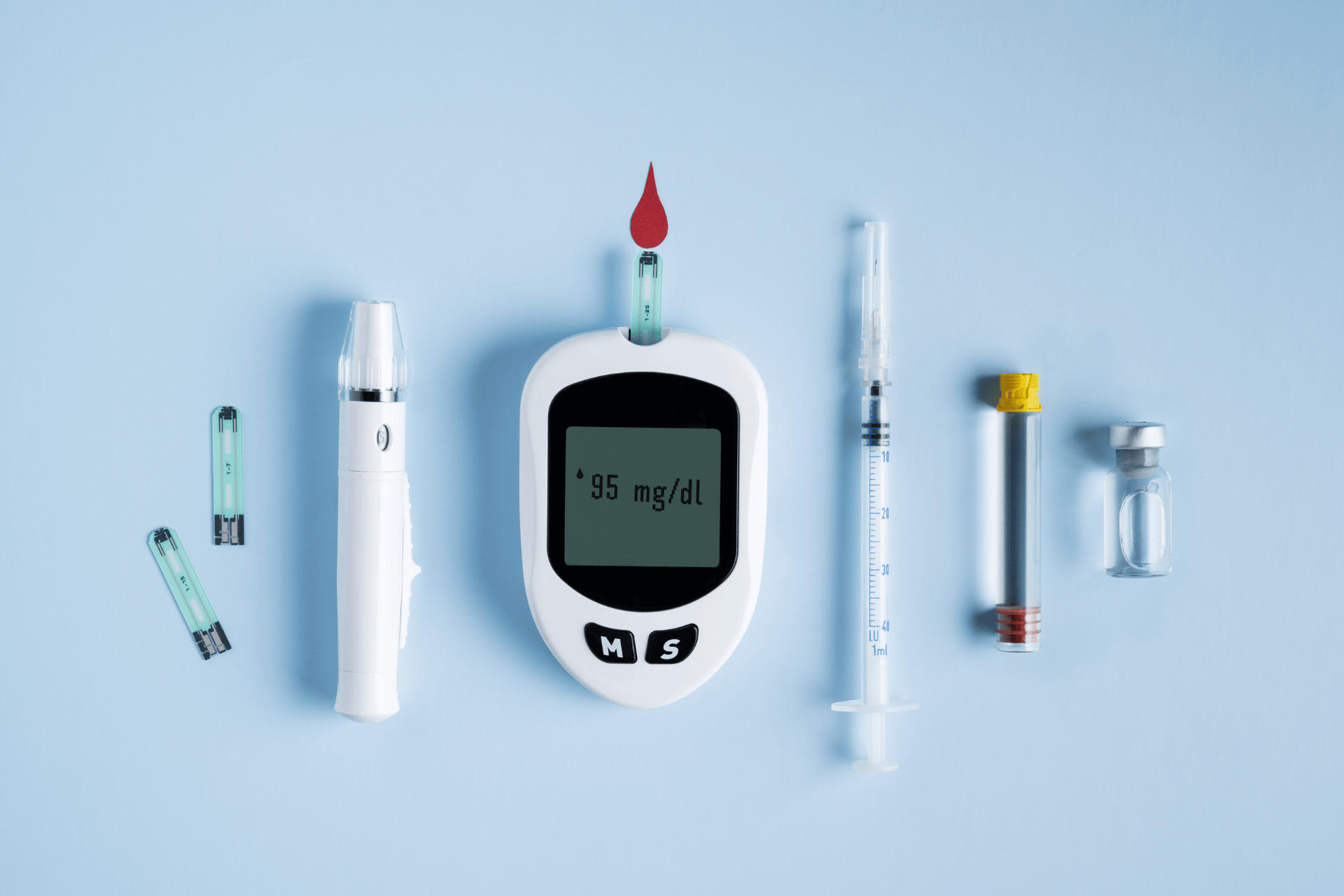 Understanding Qsymia and Zepbound
Qsymia is a prescription medication combining phentermine and topiramate. It works by suppressing appetite and increasing the amount of energy your body burns. This dual action helps people with obesity or overweight conditions lose weight when combined with diet and exercise. It has been around longer than Zepbound and is well-known in the weight management community.
Zepbound, known generically as tirzepatide, is a newer FDA-approved medication for chronic weight management. It activates two hormone receptors, GIP and GLP-1, which regulate appetite, digestion, insulin release, and feelings of fullness. This approach reduces hunger and slows stomach emptying, leading to significant and sustained weight loss. Zepbound also has a unique benefit for adults with moderate to severe obstructive sleep apnea (OSA) related to obesity, improving symptoms by reducing fat deposits around the airway.
Qsymia combines two drugs: phentermine, a stimulant that suppresses appetite, and topiramate, which affects the nervous system to promote weight loss. Together, they reduce hunger and increase feelings of fullness while boosting metabolism. However, Qsymia is typically taken daily and may cause side effects like dry mouth, dizziness, or increased heart rate.
Zepbound works on two naturally occurring hormone pathways. Activating GIP and GLP-1 receptors helps regulate blood sugar and appetite more effectively than medications targeting a single pathway. This dual action not only supports weight loss but also improves metabolic health. Zepbound is administered as a once-weekly injection, which some patients find more convenient.
Qsymia has demonstrated solid weight loss results in clinical trials, with patients losing an average of 5% to 10% of their body weight over a year. The combination of appetite suppression and increased calorie burning helps many patients achieve meaningful results when paired with lifestyle changes.
Zepbound has shown remarkable weight loss outcomes, often exceeding those of older medications. Patients can expect significant reductions in body weight, sometimes over 15% in clinical studies. Its ability to improve insulin sensitivity and reduce hunger contributes to sustained weight loss, making it a powerful option for those struggling with obesity.
Besides weight loss, Qsymia may help improve blood pressure and cholesterol levels, though these effects vary. It is not specifically approved for conditions like sleep apnea, but it can indirectly benefit overall health by reducing weight.
Zepbound is unique in its FDA approval for improving moderate to severe obstructive sleep apnea in adults with obesity. By reducing fat deposits around the airway, it decreases airway collapse during sleep, improving breathing and sleep quality. This benefit is a significant advantage for patients with both obesity and OSA.
Dry mouth
Dizziness
Insomnia
Increased heart rate
Constipation
Qsymia is contraindicated in pregnancy due to potential birth defects and should be used with caution in patients with heart disease or glaucoma.
Nausea
Reduced appetite
Diarrhea or constipation
Abdominal discomfort
Zepbound should not be used by individuals with a personal or family history of medullary thyroid carcinoma or multiple endocrine neoplasia syndrome type 2. Patients must adhere to the weekly injection schedule and communicate any side effects to their healthcare provider.
Qsymia requires daily oral dosing, which may be easier for some but can be less convenient for others. Zepbound’s once-weekly injection reduces the burden of daily medication but involves learning injection techniques and managing injection site reactions.
Accessing these medications and managing treatment is easier than ever with telehealth services. Doctronic.ai offers 24/7 video visits with licensed doctors across all 50 states. Doctronic’s AI-powered system provides fast, personalized medical advice and can help you understand which medication might suit your needs best, all from the comfort of your home.
Qsymia may be suitable for adults with a BMI over 30 or over 27 with weight-related health issues who prefer daily oral medication. It’s important to discuss heart health and pregnancy plans with your doctor before starting.
Zepbound is often recommended for adults with obesity or overweight who want significant weight loss and may have related conditions like type 2 diabetes or obstructive sleep apnea. Its once-weekly dosing and dual hormone action make it a strong option for those seeking modern, effective treatment.
Deciding between Qsymia and Zepbound depends on your medical history, lifestyle, and treatment goals. Both medications require commitment to lifestyle changes, such as diet and exercise, for the best results. Consulting a healthcare provider is crucial to tailor treatment to your needs.
Telehealth services such as Doctronic.ai make it easier to connect with medical professionals who can guide you through this process, monitor your progress, and adjust treatment as needed.
 Qsymia and Zepbound
Both Qsymia and Zepbound offer effective tools for weight loss, but differ in their mechanisms, dosing schedules, and additional health benefits. Zepbound’s ability to improve obstructive sleep apnea sets it apart for patients with that condition. Meanwhile, Qsymia’s long-standing presence and daily oral dosing may appeal to others. The best choice is highly individual and should be made with expert medical advice, ideally through Doctronic.ai, which combines AI precision with human care.
No, these medications should not be combined. They work differently, and combining them could increase side effects or risks. Always consult your doctor before starting or changing medications.
Weight loss timelines vary. Some patients see changes within weeks, but significant results usually take several months when combined with lifestyle changes.
Coverage depends on your insurance plan. It’s best to check with your provider and discuss costs with your healthcare professional.
Contact your healthcare provider immediately if you experience severe or persistent side effects. Adjustments to dosage or medication may be necessary.
Yes, Doctronic.ai offers telehealth consultations where licensed doctors can evaluate your suitability for weight loss medications and provide prescriptions when appropriate.
Zepbound delivers superior weight loss results and treats sleep apnea but requires injections and higher costs, while Qsymia offers convenient oral dosing at lower expense with modest effectiveness. Your medical history, injection tolerance, insurance coverage, and sleep disorder presence should guide selection. Doctronic can help you evaluate which option aligns best with your specific health profile and weight loss goals.
Comparing Zepbound and Qsymia: How Each Medication Supports Weight LossUnderstanding the mechanisms of these medications is crucial for patients considering weight loss [...]
Read More
Join 50,000+ readers using Doctronic to understand symptoms, medications,
and next steps.
Add your phone number below to get health updates and exclusive VIP offers.
By providing your phone number, you agree to receive SMS updates from Company. Message and data rates may apply. Reply “STOP” to opt-out anytime. Read our Privacy Policy and Terms of Service for more details.
Save your consults. Talk with licensed doctors and manage your health history.
