

Proventil Dosage Guide: How Much to Take and When (With Chart)
Understanding Proventil Uses and DosagesProventil, known generically as albuterol, is a medication primarily used to relieve bronchospasm caused by asthma, chronic [...]
Read More
Medically reviewed by Alan Lucks | MD, Alan Lucks MDPC Private Practice - New York on January 4th, 2026.
Proventil (albuterol) is a fast-acting bronchodilator used to treat and prevent bronchospasm in conditions like asthma and COPD.
Dosage varies by form-whether inhaler, nebulizer solution, or oral tablet-and by patient age and condition severity.
The typical adult inhaler dose is 90 mcg per puff, with two puffs every 4 to 6 hours as needed; the maximum daily dose should not exceed the prescribed limits.
Children’s dosages are generally lower and require careful adjustment by a healthcare provider.
If a dose is missed, take it as soon as remembered unless it is near the next scheduled dose.
Consult a healthcare professional for personalized dosing advice, especially if you have other medical conditions.
Doctronic.ai offers personalized telehealth consultations 24/7 to help with dosage questions and treatment guidance.
Proventil, known generically as albuterol, is a medication primarily used to relieve bronchospasm caused by asthma, chronic obstructive pulmonary disease (COPD), and other lung conditions. It works by relaxing the muscles in the airways, allowing air to flow more freely. This quick relief makes it a staple for many patients managing respiratory issues.
Available in several forms, including inhalers, nebulizer solutions, and oral tablets, Proventil’s dosing depends on the form used and the patient’s age and condition. Proper dosing is crucial to ensure effectiveness while minimizing side effects such as increased heart rate or nervousness.
Form |
Strength |
Typical Adult Dose |
Typical Children’s Dose |
Frequency |
Route |
Maximum Daily Dose |
|---|---|---|---|---|---|---|
Inhaler (Metered-Dose) |
90 mcg per puff |
2 puffs |
2 puffs (age 4-11) |
Every 4 to 6 hours as needed |
Inhalation |
12 puffs (1080 mcg) |
Nebulizer Solution |
0.083% (2.5 mg/3 mL) |
2.5 mg |
0.63 to 1.25 mg |
Every 4 to 6 hours as needed |
Inhalation |
10 mg |
Oral Tablet |
2 mg, 4 mg, 8 mg |
2 to 4 mg |
Not typically recommended |
3 to 4 times daily |
Oral |
32 mg |
For asthma patients, Proventil inhalers are often the first line of defense against sudden bronchospasm. Adults typically use two puffs every 4 to 6 hours as needed. Children aged 4 to 11 generally start with two puffs but should be closely monitored by a healthcare provider. Nebulizer solutions may be preferred for young children or those who have difficulty using inhalers.
In COPD, Proventil helps open airways and ease breathing. The dosage is similar to that used in asthma treatment but may be adjusted based on severity and response. Nebulizer treatments are common in more advanced cases, with doses given every 4 to 6 hours as necessary.
Proventil can be used prophylactically before exercise to prevent bronchospasm. The typical dose is two puffs, taken 15 to 30 minutes before physical activity. This helps reduce symptoms like wheezing and shortness of breath during exercise.
Adults usually take Proventil via inhaler, taking two puffs (90 mcg per puff) every 4 to 6 hours as needed. For nebulizer use, 2.5 mg every 4 to 6 hours is typical. Oral tablets, though less frequently used, are dosed at 2-4 mg three to four times daily. It’s important not to exceed the maximum daily dose to avoid side effects.
Children aged 4 to 11 typically use two puffs of the inhaler every 4 to 6 hours as needed. Nebulizer doses range from 0.63 mg to 1.25 mg per treatment. Oral tablets are generally not recommended for pediatric patients due to variable absorption and an increased risk of side effects. Always consult a pediatrician before administering Proventil to children.
Proventil is usually taken as needed rather than on a strict schedule. If you miss a dose, take it as soon as you remember, unless it is close to your next dose. Do not double up doses to catch up, as this can increase the risk of side effects such as a rapid heart rate or tremors.
Patients with heart disease should use Proventil cautiously. The medication can cause increased heart rate or palpitations. Dosage adjustments may be necessary, and close monitoring by a healthcare provider is recommended.
Proventil can potentially raise blood pressure. If you have hypertension, discuss with your doctor whether dose adjustments or alternative treatments are appropriate.
Taking more than the recommended dose of Proventil can lead to serious side effects, including chest pain, irregular heartbeat, severe tremors, and nervousness. If an overdose is suspected, seek emergency medical attention immediately. Always follow your healthcare provider’s instructions and do not exceed prescribed doses.
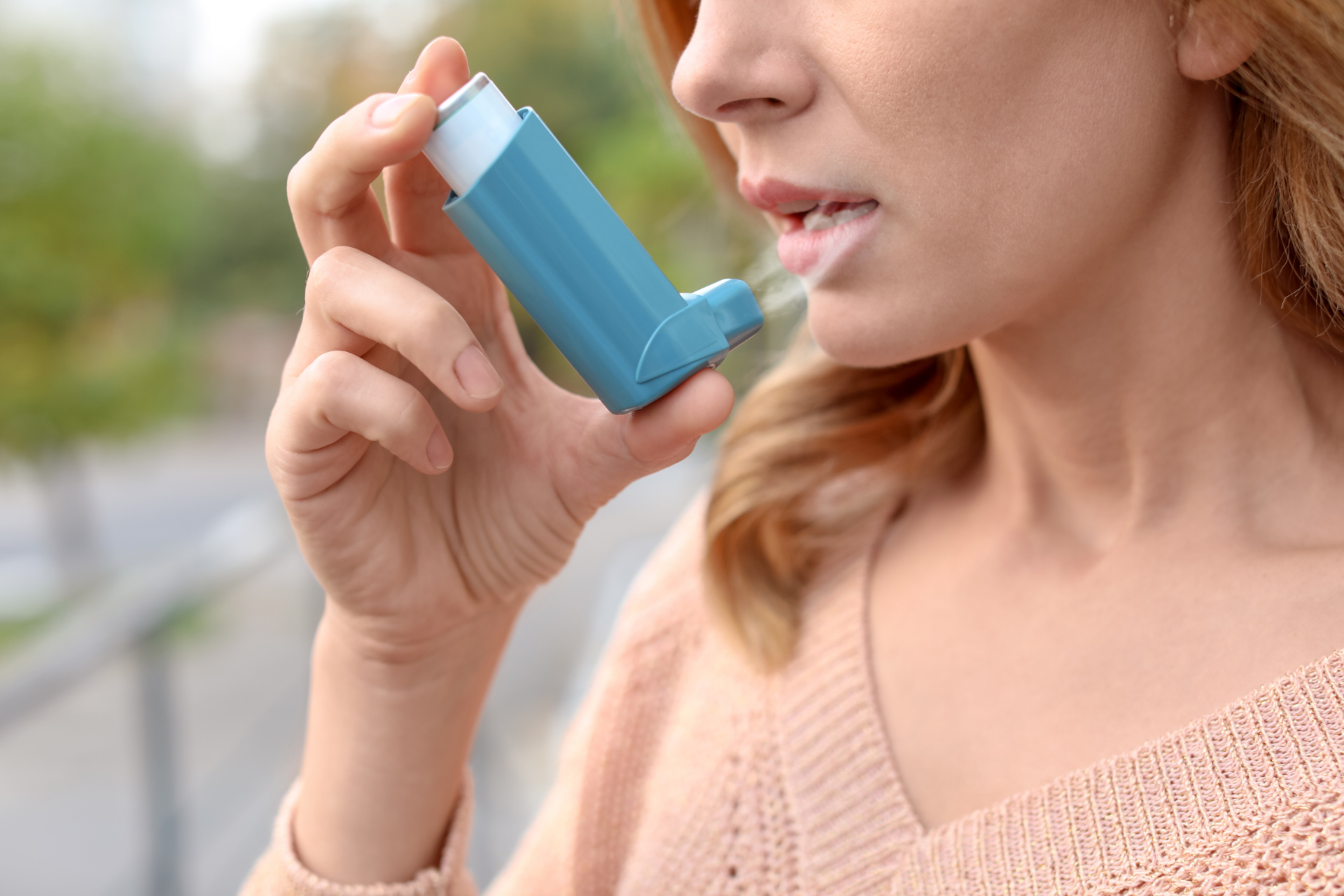
Use the inhaler correctly to ensure the medication reaches your lungs.
Keep track of your doses and avoid exceeding the maximum daily limit.
Inform your doctor about all medications you are taking to avoid interactions.
Store Proventil at room temperature away from heat and moisture.
Regularly check the inhaler’s dose counter to know when it’s time for a refill.
Questions about Proventil dosing or concerns about side effects? Doctronic.ai offers fast, personalized telehealth consultations with licensed doctors who can provide tailored advice based on your health history. Whether you need help adjusting your dose or want a second opinion, Doctronic’s AI-powered platform is available 24/7 across all 50 states. Visit Doctronic.ai to connect with a healthcare professional anytime.
Doctronic’s AI doctor remembers your medical history and synthesizes the latest peer-reviewed medical research to offer the most competent, most personal care possible. This makes it an excellent resource for managing medications like Proventil safely and effectively.
No. Taking more than the prescribed dose can increase side effects and may be dangerous. Contact your healthcare provider or seek emergency care if symptoms do not improve.
Proventil is generally not recommended for children under four without specific medical advice. Always consult a pediatrician before giving this medication to young children.
Proventil inhalers typically start relieving symptoms within minutes, making them effective for sudden bronchospasm relief.
Proventil is intended for quick relief, not long-term control. Long-term asthma management usually requires additional medications, such as inhaled corticosteroids. Discuss your treatment plan with a healthcare provider.
These can be side effects of Proventil. If they are mild, inform your doctor at your next visit. If severe or persistent, seek medical advice promptly.
Proper dosing of Proventil is key to managing respiratory conditions effectively while minimizing risks. Whether using an inhaler, nebulizer, or oral tablets, following prescribed guidelines and consulting healthcare providers regularly is essential. For personalized support, especially when navigating dosage adjustments or side effects, Doctronic.ai provides convenient, expert care at your fingertips.
Understanding Proventil Uses and DosagesProventil, known generically as albuterol, is a medication primarily used to relieve bronchospasm caused by asthma, chronic [...]
Read More