

Ozempic for Sleep Apnea: Can It Help?
Understanding Sleep Apnea and Its ChallengesSleep apnea is a common disorder where breathing repeatedly stops and starts during sleep. The most frequent type, obstructive [...]
Read More
Medically reviewed by Alan Lucks | MD, Alan Lucks MDPC Private Practice - New York on February 14th, 2026.
Ozempic is primarily a medication for type 2 diabetes and weight management, not a direct treatment for sleep apnea. It is not FDA approved for sleep apnea.
Weight loss from Ozempic may improve obstructive sleep apnea symptoms in some patients.
Sleep apnea requires proper diagnosis and treatment, often involving lifestyle changes and medical devices.
Consulting healthcare professionals through telehealth platforms like Doctronic.ai can provide personalized guidance.
Understanding the relationship between obesity, diabetes, and sleep apnea is key to managing symptoms effectively.
Sleep apnea is a common disorder where breathing repeatedly stops and starts during sleep. The most frequent type, obstructive sleep apnea (OSA), occurs when throat muscles intermittently relax and block the airway. This leads to disrupted sleep and lower oxygen levels, causing fatigue, headaches, and other health issues. The condition can often go undiagnosed, as many individuals are unaware of their nighttime breathing difficulties. This lack of awareness can lead to a range of daytime symptoms, including irritability, difficulty concentrating, and even mood disorders, which can significantly impact one's quality of life.
Many people with sleep apnea are overweight or obese, which contributes to airway obstruction. Other risk factors include age, gender, and certain anatomical features. Because sleep apnea can increase the risk of heart disease, stroke, and diabetes, managing it effectively is critical. Early diagnosis and intervention are essential, as untreated sleep apnea can lead to severe complications, including cardiovascular problems and diminished cognitive function. Regular check-ups and sleep studies can help identify the presence of sleep apnea, allowing for timely treatment and lifestyle modifications.
Excess weight, especially around the neck, can narrow the airway and increase the likelihood of obstruction during sleep. Losing weight often reduces the severity of sleep apnea symptoms, sometimes eliminating the need for devices like CPAP (continuous positive airway pressure) machines. Weight loss is not a guaranteed cure, and treatment plans should be individualized. In addition to weight management, lifestyle changes such as regular exercise, a balanced diet, and avoiding alcohol and sedatives before bedtime can also play a crucial role in alleviating symptoms. Practicing sleep hygiene, such as maintaining a consistent sleep schedule and creating a comfortable sleep environment, can enhance overall sleep quality and support the treatment of sleep apnea.
Understanding the psychological aspects of sleep apnea is vital. Many individuals may experience anxiety or depression related to their condition, which can further exacerbate sleep disturbances. Support groups and counseling can provide emotional support and coping strategies for those affected. It’s also important for family members and friends to be educated about sleep apnea, as they can play a supportive role in encouraging healthy habits and helping their loved ones adhere to treatment plans. Overall, a comprehensive approach that addresses both physical and mental health is essential for effectively managing sleep apnea and improving the lives of those affected.
 What Is Ozempic and How Does It Work?
Ozempic is a brand name for semaglutide, a medication approved primarily to manage type 2 diabetes. It belongs to a class of drugs called GLP-1 receptor agonists. These medications help control blood sugar by stimulating insulin release and reducing appetite, which can lead to weight loss.
Recently, Ozempic has gained attention for its effectiveness in supporting weight loss in people with obesity or overweight conditions, even without diabetes. This weight loss effect has sparked curiosity about whether Ozempic could help with conditions linked to obesity, like sleep apnea.
Clinical studies show that patients using Ozempic can lose significant weight over several months. The medication helps reduce hunger and calorie intake, making it easier to maintain a calorie deficit. For many, this weight loss improves overall health markers, including blood pressure and cholesterol.
While Ozempic is not FDA approved or designed to treat sleep apnea directly, its ability to promote weight loss may indirectly benefit some patients with obstructive sleep apnea. Losing weight can reduce the fatty deposits around the neck and throat, potentially decreasing airway obstruction during sleep.
Studies on weight loss and sleep apnea consistently show improvement in symptoms when patients lose weight. Since Ozempic facilitates weight loss, it might be a useful part of a broader sleep apnea management plan. No large-scale clinical trials have specifically tested Ozempic as a treatment for sleep apnea.
Ozempic should be used under medical supervision, especially for patients with diabetes or other health conditions.
Weight loss effects take time, so it is not a quick fix for sleep apnea symptoms.
Sleep apnea often requires additional treatments, such as CPAP machines, oral devices, or surgery.
Consulting a healthcare provider is essential before starting Ozempic or any medication for weight loss.
Treatment for sleep apnea usually involves a combination of lifestyle changes and medical interventions. Weight loss is one piece of the puzzle, but other approaches are often necessary to control symptoms effectively.
Weight management: Achieving and maintaining a healthy weight through diet and exercise.
Sleep position: Avoiding sleeping on the back can reduce airway blockage.
Avoiding alcohol and sedatives: These substances relax throat muscles and worsen apnea.
Smoking cessation: Smoking increases inflammation and fluid retention in the airway.
For many, lifestyle changes alone are not enough. Medical devices and procedures play a critical role:
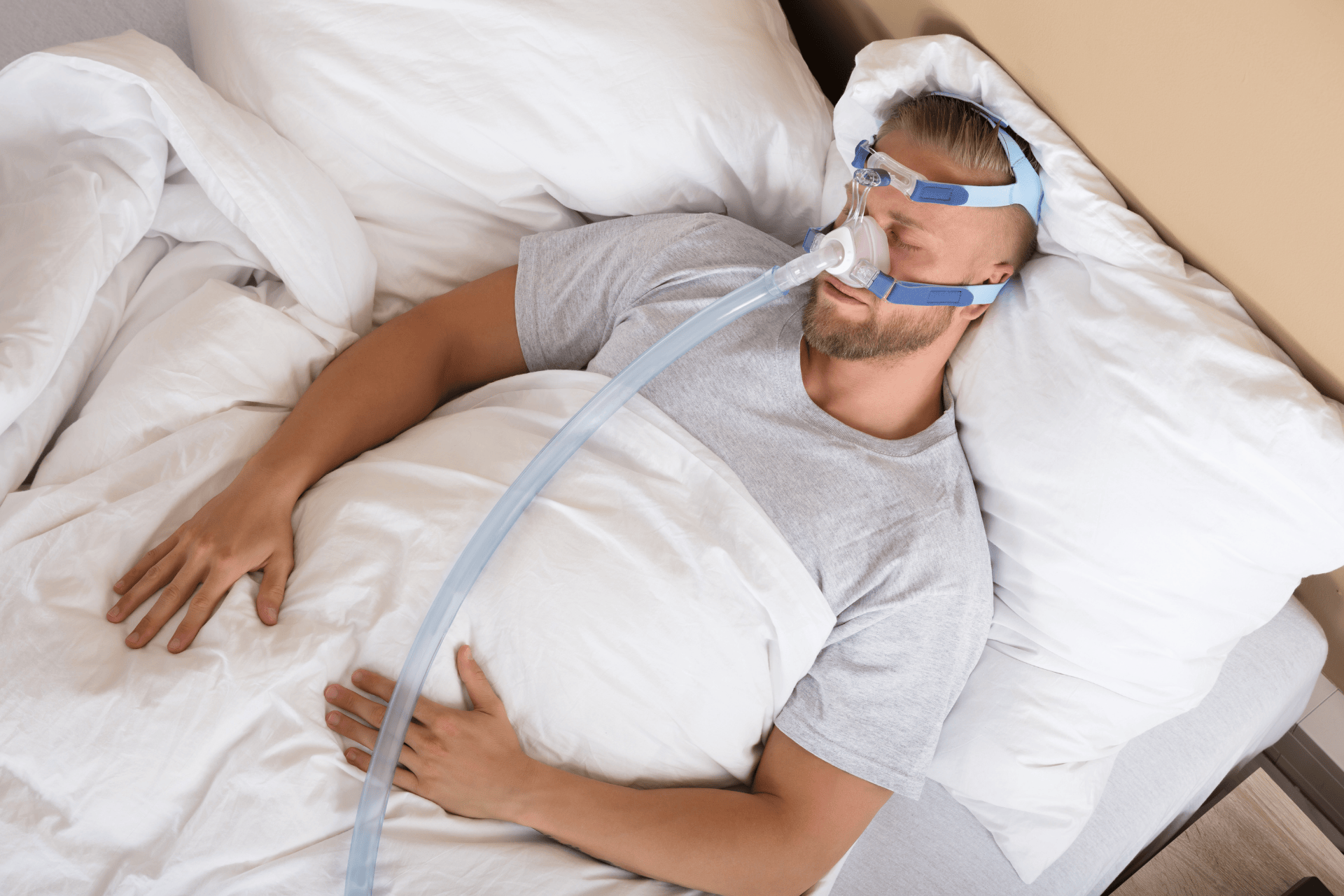
CPAP machines: The most common and effective treatment, providing continuous air pressure to keep airways open.
Oral appliances: Devices that reposition the jaw or tongue to prevent airway collapse.
Surgery: In select cases, surgery can remove or shrink tissue blocking the airway.
Proper diagnosis and treatment of sleep apnea require professional medical evaluation. Telehealth services like Doctronic.ai offer convenient access to healthcare providers who can assess symptoms, recommend diagnostic testing, and discuss treatment options tailored to individual needs.
Doctronic’s AI-powered platform provides fast, modern medical advice and can guide patients through their health questions, including those about sleep apnea and weight management. For personalized care and affordable telehealth visits with licensed doctors, Doctronic is a reliable resource available 24/7 across all 50 states.
Convenience: Access care from home without waiting weeks for an appointment.
Comprehensive support: Get answers to questions about symptoms, medications like Ozempic, and treatment plans.
Continuity of care: The AI doctor remembers your history, making follow-ups more efficient.
Ozempic is not a direct treatment for sleep apnea, but it may help improve symptoms by supporting weight loss. Managing sleep apnea effectively involves a combination of approaches, including lifestyle changes, medical devices, and professional guidance.
Anyone experiencing symptoms of sleep apnea should seek evaluation from a healthcare provider. Telehealth platforms like Doctronic.ai make it easier than ever to get expert advice and personalized care without leaving home.
No, Ozempic is approved for type 2 diabetes and weight management, but not specifically for sleep apnea treatment.
Yes, weight loss can reduce airway obstruction and improve symptoms in many people with obstructive sleep apnea.
Treatments include lifestyle changes, CPAP machines, oral appliances, and sometimes surgery.
Telehealth services like Doctronic.ai offer consultations with doctors who can guide you through diagnosis and treatment options.
Ozempic should be used under medical supervision as it can have side effects and may not be suitable for everyone.
Ozempic is not a treatment for sleep apnea, but its weight loss benefits may help reduce symptoms of obstructive sleep apnea in some people. Because sleep apnea requires proper diagnosis and often dedicated therapies, medical guidance is essential. Telehealth platforms like Doctronic.ai make it easy to get personalized advice on weight management, sleep apnea evaluation, and safe treatment options from licensed providers.
Understanding Sleep Apnea and Its ChallengesSleep apnea is a common disorder where breathing repeatedly stops and starts during sleep. The most frequent type, obstructive [...]
Read More