

Ozempic and Sleep Apnea: What You Should Know
Understanding Ozempic and Its RoleOzempic is a brand name for semaglutide, a medication widely prescribed to manage type 2 diabetes. It works by mimicking a hormone called [...]
Read More
Medically reviewed by Alan Lucks | MD, Alan Lucks MDPC Private Practice - New York on January 20th, 2026.
Ozempic, a medication primarily for type 2 diabetes, has effects that may influence sleep apnea symptoms.
Weight loss from Ozempic can improve obstructive sleep apnea in some patients.
Understanding the relationship between Ozempic and sleep apnea helps patients manage both conditions effectively.
Consulting healthcare providers via telehealth platforms like Doctronic.ai can provide personalized guidance and treatment options.
Sleep apnea requires proper diagnosis and treatment; AI-powered telehealth can assist in early identification and ongoing care.
Ozempic is not FDA approved to treat sleep apnea.
Ozempic is a brand name for semaglutide, a medication widely prescribed to manage type 2 diabetes. It works by mimicking a hormone called GLP-1 that helps regulate blood sugar levels and slows digestion, leading to better glucose control. Beyond blood sugar management, Ozempic has gained attention for its ability to support weight loss, which is a critical factor for many health conditions, including sleep apnea. Ozempic is not FDA approved to treat sleep apnea.
Weight management is often a key strategy for improving obstructive sleep apnea, a condition where the airway becomes blocked during sleep, causing breathing interruptions. Since Ozempic can promote significant weight loss, it may indirectly help reduce the severity of sleep apnea symptoms in some patients.
In addition to its primary uses, Ozempic has been studied for its broader implications on metabolic health. Research indicates that the medication may also improve cardiovascular outcomes by lowering blood pressure and reducing the risk of heart disease, which is particularly beneficial for individuals with type 2 diabetes who often face higher cardiovascular risks. The dual benefits of managing blood sugar levels while promoting heart health make Ozempic a valuable tool in the comprehensive treatment of diabetes and related conditions.
The lifestyle changes that accompany the use of Ozempic can further enhance its effectiveness. Patients are often encouraged to adopt healthier eating habits and engage in regular physical activity, which not only aids in weight loss but also contributes to overall well-being. The combination of medication and lifestyle modifications can create a synergistic effect, leading to improved health outcomes and a better quality of life for those managing chronic conditions like diabetes and sleep apnea.
Sleep apnea is a common but serious sleep disorder characterized by repeated pauses in breathing during sleep. These interruptions can lead to fragmented sleep and lower oxygen levels in the blood. The most common form, obstructive sleep apnea (OSA), occurs when throat muscles relax and block the airway.
People with sleep apnea often experience excessive daytime sleepiness, headaches, difficulty concentrating, and increased risk of heart disease and stroke. Because of these risks, managing sleep apnea effectively is crucial for overall health and quality of life.
Obstructive Sleep Apnea (OSA): Caused by physical blockage of the airway.
Central Sleep Apnea: Occurs when the brain fails to send proper signals to the muscles that control breathing.
Complex Sleep Apnea: A combination of obstructive and central sleep apnea.
One of the most significant ways Ozempic may influence sleep apnea is through weight loss. Excess weight, especially around the neck and upper airway, can increase the risk of airway obstruction during sleep. By helping patients lose weight, Ozempic can reduce the pressure on the airway, potentially decreasing the frequency and severity of apnea episodes.
Studies have shown that even modest weight loss can improve sleep apnea symptoms. Since Ozempic supports sustained weight reduction, it offers a promising avenue for patients struggling with both type 2 diabetes and sleep apnea.
While weight loss is the primary mechanism by which Ozempic may help sleep apnea, some researchers are exploring whether GLP-1 receptor agonists like Ozempic might have direct effects on breathing regulation or inflammation in the airway. These areas need more research before any firm conclusions can be drawn.
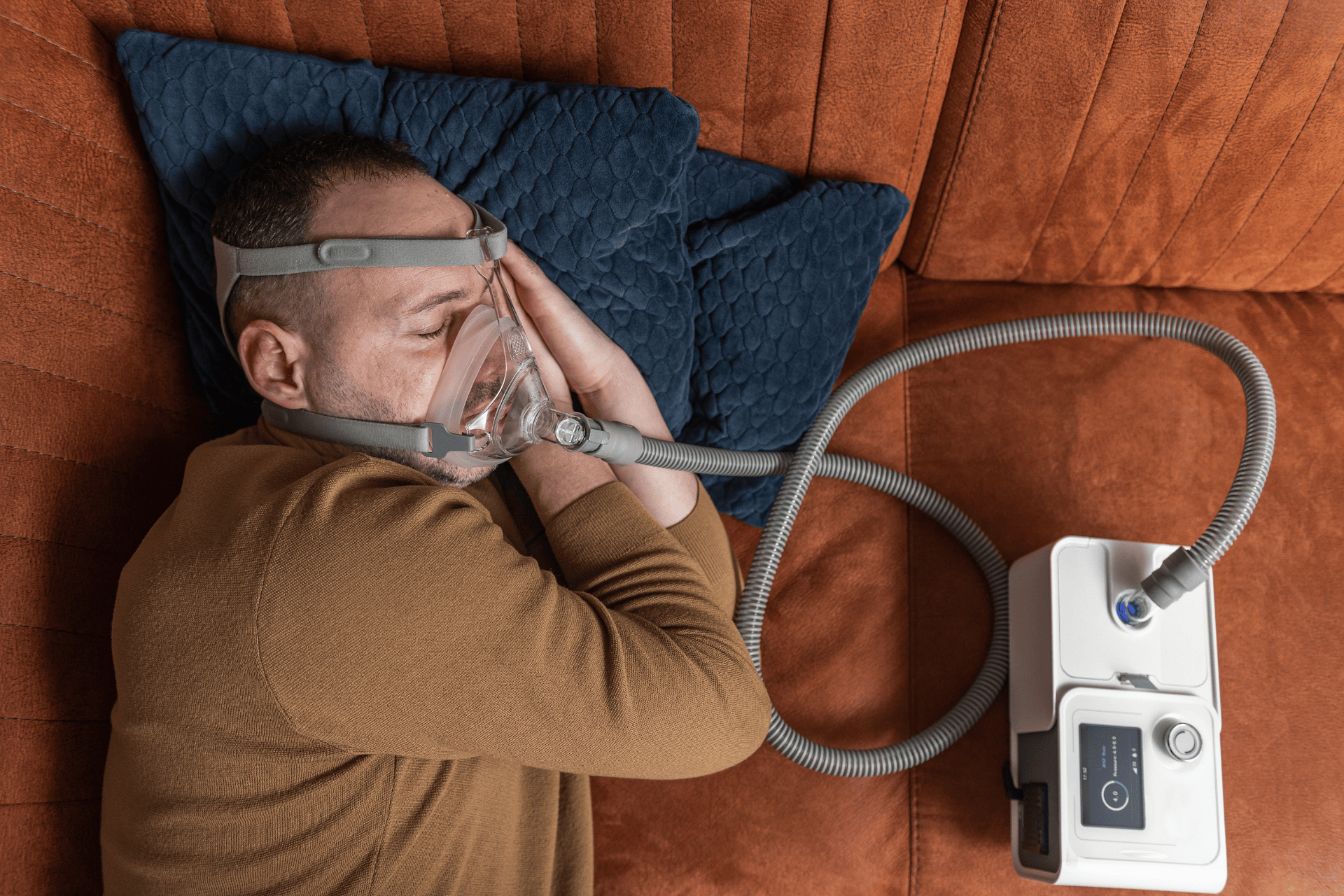 Managing Sleep Apnea While Using Ozempic
If you are prescribed Ozempic and have sleep apnea, it is important to monitor your symptoms carefully. Weight loss may improve your apnea, but it does not replace standard treatments such as CPAP (continuous positive airway pressure) therapy or dental devices designed to keep the airway open during sleep.
Keep track of changes in snoring, daytime sleepiness, and overall sleep quality. Reporting these changes to your healthcare provider can help tailor your treatment plan effectively.
Accessing expert medical advice has never been easier thanks to telehealth services like Doctronic.ai. This platform offers affordable, convenient video visits with licensed doctors across all 50 states, available 24/7. Whether you need guidance on managing your sleep apnea or questions about Ozempic, Doctronic’s AI-powered and human doctor services provide fast, personalized care.
Using telehealth can save time and provide immediate answers, especially for ongoing management of chronic conditions like sleep apnea and diabetes.
Maintain a Healthy Weight: Besides medication, focus on diet and exercise to support weight loss.
Sleep Position: Sleeping on your side instead of your back can reduce airway collapse.
Avoid Alcohol and Sedatives: These can relax throat muscles and worsen apnea.
Quit Smoking: Smoking increases airway inflammation and fluid retention.
CPAP Therapy: The most common and effective treatment for obstructive sleep apnea.
Oral Appliances: Devices that reposition the jaw or tongue to keep the airway open.
Surgery: In some cases, surgical options may be considered to remove airway obstructions.
If you experience loud snoring, choking or gasping during sleep, persistent daytime fatigue, or difficulty concentrating, these could be signs of sleep apnea. It is important to get evaluated by a healthcare professional. Early diagnosis and treatment can prevent complications such as high blood pressure, heart disease, and stroke.
Telehealth platforms like Doctronic.ai offer a convenient way to start this process. You can discuss symptoms, get preliminary assessments, and receive referrals for sleep studies or specialist care without leaving home.
Managing complex conditions like diabetes and sleep apnea can be challenging. Doctronic.ai combines AI-driven medical expertise with access to real doctors to provide fast, accurate answers and treatment recommendations tailored to your needs. This approach makes healthcare more accessible and personal, especially for those balancing multiple health concerns.
Whether you want to understand how Ozempic affects your sleep apnea or need ongoing support for your condition, Doctronic is a resource that remembers your history and provides care at your convenience.
No, Ozempic does not cure sleep apnea. Promoting weight loss, it may help reduce the severity of obstructive sleep apnea symptoms.
Generally, Ozempic is safe for people with sleep apnea, but always consult your healthcare provider to discuss your specific health situation and any potential interactions.
Improvements depend on the amount of weight loss and individual factors. Some patients may notice changes after several weeks or months of consistent medication use combined with lifestyle changes.
CPAP remains the gold standard treatment for moderate to severe sleep apnea. Ozempic may help as part of a broader management plan, but should not replace prescribed therapies without medical advice.
Telehealth services like Doctronic.ai offer accessible consultations with doctors who can provide guidance and treatment options tailored to your needs.
Ozempic may help improve sleep apnea symptoms indirectly through weight loss, but it is not a replacement for standard treatments like CPAP. Managing both conditions works best with medical guidance, and telehealth platforms like Doctronic.ai make expert, personalized care easy to access anytime.
Understanding Ozempic and Its RoleOzempic is a brand name for semaglutide, a medication widely prescribed to manage type 2 diabetes. It works by mimicking a hormone called [...]
Read More