

Medications
Birth Control Interactions with Supplements: What to Watch Out For
December 15, 2025
6 min read

Medically reviewed by Alan Lucks | MD, Alan Lucks MDPC Private Practice - New York on January 2nd, 2026.
Published on January 1st, 2026. Updated on July 23rd, 2026.
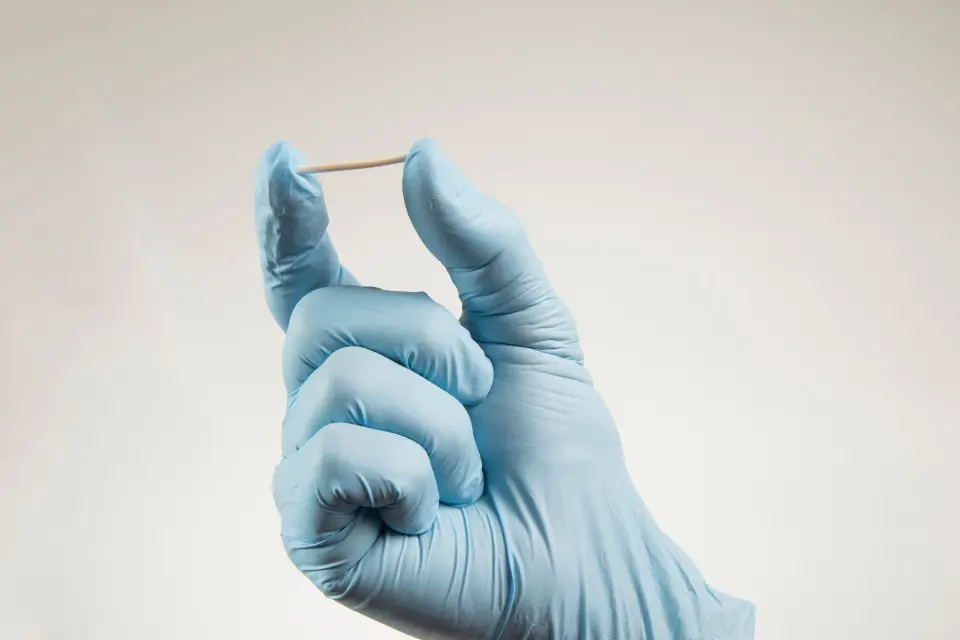
Nexplanon is a single-dose, long-acting contraceptive implant inserted under the skin of the upper arm.
The implant releases a steady dose of etonogestrel over three years to prevent pregnancy.
A trained healthcare provider should do the insertion and removal to ensure proper dosing and effectiveness.
Nexplanon dosage is fixed; it is not taken orally or by injection, so timing revolves around insertion and removal dates.
Consulting with a healthcare provider via telehealth services like Doctronic.ai can help personalize advice and answer dosage-related questions.
Questions about Nexplanon?
Free. Anonymous. Built by doctors.
This article covers general information. Ask Doctronic about your symptoms, medications, side effects, or treatment options.
Nexplanon is a contraceptive implant designed to provide continuous birth control for up to three years. Unlike pills or injections, it doesn’t require daily or monthly dosing. Instead, it delivers a steady release of the hormone etonogestrel directly into your bloodstream through a small rod implanted under the skin of your upper arm.
The implant contains 68 mg of etonogestrel, which is released at a controlled rate to maintain adequate hormone levels. This consistent dosing prevents ovulation, thickens cervical mucus to block sperm, and thins the uterine lining to reduce the chance of implantation.
Right after insertion, Nexplanon releases a higher initial dose of etonogestrel, which gradually decreases but remains effective throughout the three years. This slow-release mechanism means you don’t have to worry about daily pills or monthly injections. Once inserted, the implant provides continuous contraception without requiring any action on your part.
Nexplanon is suitable for most women seeking long-term contraception. It’s especially convenient for those who want a “set it and forget it” method without daily adherence. However, it’s important to discuss your health history and any medications you take with a healthcare provider to ensure Nexplanon is safe and effective for you.
Form |
Active Ingredient |
Strength |
Typical Dose |
Frequency |
Route |
Maximum Duration |
|---|---|---|---|---|---|---|
Implant |
Etonogestrel |
68 mg |
One implant is inserted once |
Single insertion, lasts up to 3 years |
Subdermal (under the skin of the upper arm) |
3 years |
The dosage of Nexplanon itself is fixed and cannot be adjusted since it is a preloaded implant. However, certain medical conditions or medications can affect how well the implant works or whether it is the right choice for you.
Some medications, such as certain anticonvulsants, antibiotics such as rifampin, and herbal supplements such as St. John’s Wort, can reduce the effectiveness of Nexplanon by increasing hormone metabolism.
If you take these medications, your healthcare provider may recommend additional contraceptive methods or consider alternative birth control options.
Conditions such as liver disease, unexplained vaginal bleeding, certain cancers, or a history of blood clots should be discussed with your provider before choosing Nexplanon. Your provider can help determine if this implant is safe for you or if other contraceptive methods are better suited.
Since Nexplanon is an implant, the concept of “taking” it differs from oral or injectable contraceptives. The timing focuses on insertion and removal rather than daily doses.
A trained healthcare professional should insert the implant during the first five days of your menstrual cycle to ensure immediate contraceptive protection. If inserted at any other time, additional contraception (like condoms) should be used for the first seven days after insertion.
Nexplanon must be removed after three years to maintain contraceptive effectiveness. If you want to continue using it, a new implant can be inserted immediately after removal. Delaying replacement increases the risk of pregnancy.
Because Nexplanon is a single-dose implant, the idea of missing a dose does not apply. However, missing the scheduled removal or replacement can compromise contraception.
Insertion is a quick outpatient procedure that takes just a few minutes. Your healthcare provider will numb the area on your upper arm before inserting the implant under the skin using a special applicator.
After insertion, you may experience some soreness, bruising, or swelling at the site. These symptoms typically resolve within a few days. It’s essential to keep the area clean and avoid heavy lifting or strenuous activity for a short time.
Regular follow-up with your healthcare provider ensures the implant remains in place and continues to work effectively. If you experience unusual pain, swelling, or signs of infection at the insertion site, seek medical advice promptly.
Because Nexplanon is an implant, overdose is extremely unlikely. The hormone release is controlled and steady, and the implant cannot be “taken” in excess like pills.
However, improper insertion or removal by an untrained person can cause complications. Always have the implant inserted and removed by a qualified healthcare professional.
Do not attempt to remove the implant yourself.
Report any severe pain, swelling, or signs of infection at the insertion site immediately.
Inform your healthcare provider about all medications and supplements you take.
Be aware that Nexplanon does not protect against sexually transmitted infections (STIs).
See a doctor online today
A licensed doctor can review your symptoms online, talk through next steps, and send a prescription to your pharmacy if appropriate.
Related medications we prescribe
Ensuring your contraceptive method works effectively requires proper use and monitoring. Here are some tips to keep in mind:
Schedule insertion and removal appointments with a trusted healthcare provider.
Keep track of your insertion date to know when the implant needs to be removed or replaced.
Use backup contraception if you start new medications that may interfere with Nexplanon.
Contact your healthcare provider promptly if you notice any unusual symptoms.
Consider telehealth services like Doctronic.ai for quick access to medical advice and personalized care anytime.
Questions about Nexplanon dosage, side effects, or suitability can be complex. Personalized advice is essential. Doctronic.ai offers free AI doctor visits that provide instant, evidence-based answers tailored to your health profile. If you need further guidance or want to speak with a licensed doctor, Doctronic also offers affordable telehealth video visits 24/7 across all 50 states.
Using Doctronic, you can get detailed information on Nexplanon and other contraceptive options without leaving your home. This approach combines the latest medical research with personalized care, helping you make informed decisions about your reproductive health.
No, the Nexplanon implant releases a fixed dose of hormone. If side effects occur, discuss them with your healthcare provider, who may recommend removal or alternative contraception.
Inserting Nexplanon outside the recommended window may require backup contraception for seven days. Removing it early may reduce contraceptive protection, increasing pregnancy risk.
If inserted during the first five days of your menstrual cycle, protection is immediate. Otherwise, use additional contraception for seven days.
Yes, some medications can reduce hormone levels, decreasing effectiveness. Inform your provider about all medications to ensure proper contraceptive coverage.
Nexplanon is effective for up to three years. Your healthcare provider will advise on removal and replacement timing to maintain continuous contraception.
While insertion and removal require an in-person visit, Doctronic.ai can provide expert guidance, answer questions, and help you prepare for your appointment.
Nexplanon offers a convenient, effective, and low-maintenance contraceptive option with a fixed hormone dosage delivered via a single implant. Understanding how the implant works, when to get it inserted and removed, and recognizing factors that might affect its effectiveness are key to getting the most out of this method. Always work with a healthcare provider for insertion and removal, and consider Doctronic.ai to get personalized, up-to-date advice on Nexplanon and other health concerns. This ensures you stay protected and informed throughout your contraceptive journey.
Get Nexplanon dosing guidance
Chat Now