
Diseases and Conditions
Can an AI Doctor Prescribe Asthma and Respiratory Medication?
October 24, 2025
7 min read

Medically reviewed by Alan Lucks | MD, Alan Lucks MDPC Private Practice - New York on December 16th, 2025.
Published on December 15th, 2025. Updated on July 23rd, 2026.
Understand the core differences between nebulizers and inhalers for respiratory treatment
Learn the advantages and disadvantages of each device for various health needs
Discover how to choose the right option based on lifestyle, age, and medical condition
Explore how telehealth services like Doctronic.ai can help guide your treatment decisions
Get answers to common questions about nebulizers and inhalers in the FAQ section
When managing respiratory conditions such as asthma or chronic obstructive pulmonary disease (COPD), delivering medication directly to the lungs is essential. Nebulizers and inhalers are two common devices that serve this purpose, but they work quite differently. Knowing how each device functions can help you make an informed choice that fits your health needs and lifestyle.
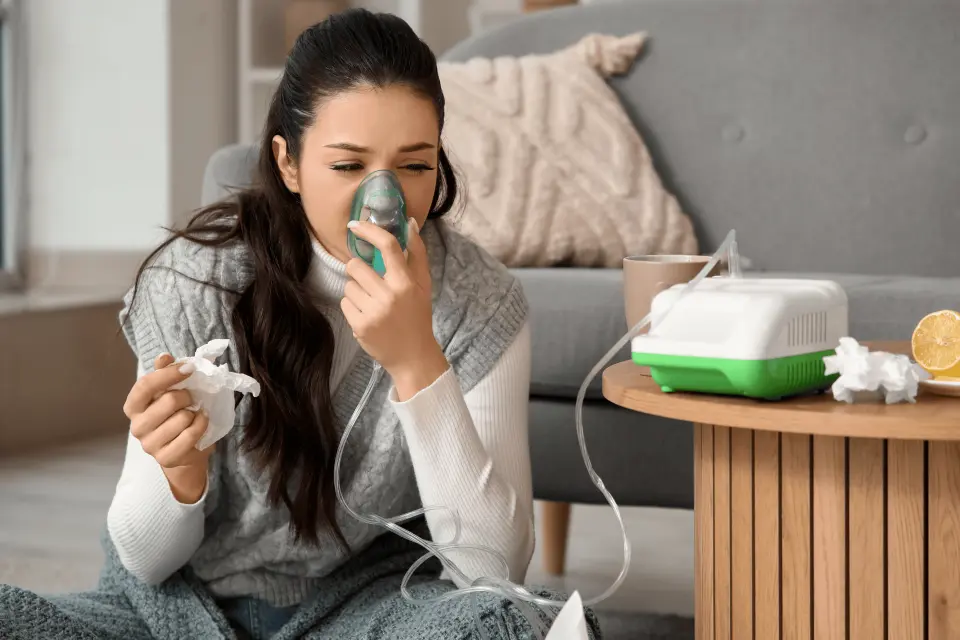
A nebulizer is a machine that turns liquid medication into a fine mist, making it easier to inhale deep into the lungs. The device typically consists of a compressor, a cup to hold the medication, and a mouthpiece or mask. When you breathe normally through the mouthpiece, the nebulizer delivers a steady stream of medicine over several minutes.
Nebulizers are often used for people who have difficulty using inhalers, including young children, elderly patients, or those with severe respiratory issues. Because the medication is inhaled over a longer period, it can be easier to administer, especially during flare-ups or acute episodes. Nebulizers can accommodate a variety of medications, including bronchodilators and corticosteroids, which can be mixed together for a more comprehensive treatment approach. This versatility makes nebulizers a vital tool in managing complex respiratory conditions.
Inhalers are handheld devices that deliver a specific dose of medication in a quick burst. There are different types of inhalers, including metered-dose inhalers (MDIs) and dry powder inhalers (DPIs). MDIs release a spray of medication when you press the canister, while DPIs require you to inhale the powder deeply.
Inhalers are portable, fast, and convenient. They are often prescribed for daily maintenance or quick relief from symptoms. However, using an inhaler properly requires some technique, such as coordinating the breath with the spray, which can be challenging for some users. To enhance effectiveness, many healthcare providers recommend using a spacer with MDIs, which can help ensure that more medication reaches the lungs rather than being deposited in the mouth or throat. Inhalers can be an essential part of an asthma action plan, allowing patients to monitor their symptoms and respond quickly to changes in their condition.
Nebulizers provide a continuous flow of medication, which can be beneficial for severe respiratory distress or when a slow, steady dose is needed. This method ensures that the medicine reaches deep into the lungs, but the treatment session can take 5 to 15 minutes. The nebulization process allows for larger particles of medication to be inhaled, which can be particularly advantageous for patients with more complex respiratory conditions, such as cystic fibrosis or chronic obstructive pulmonary disease (COPD). Nebulizers can be used with a variety of medications, including bronchodilators, corticosteroids, and mucolytics, making them versatile tools in respiratory therapy.
Inhalers deliver a concentrated dose quickly, making them ideal for immediate symptom relief. When used correctly, inhalers are highly effective and allow for precise dosing. However, improper technique can reduce the amount of medicine reaching the lungs. It’s important to note that there are different types of inhalers, including metered-dose inhalers (MDIs) and dry powder inhalers (DPIs), each with its own method of delivery and inhalation technique. Patients may find that one type works better for them than another, and understanding the differences can enhance their overall treatment experience.
Inhalers are small, lightweight, and easy to carry, which makes them suitable for on-the-go use. You can slip one into your pocket or bag and use it anywhere, anytime. This portability is particularly beneficial for individuals who lead active lifestyles or those who need to manage their symptoms while at work or school. Inhalers also come with various options, including those with counters that track doses, ensuring that patients are aware of how many puffs remain, which can help prevent running out unexpectedly.
Nebulizers are bulkier and require a power source, making them less portable. They are better suited for home use or clinical settings. Some newer portable nebulizers exist, but they still tend to be larger than inhalers. These portable models often utilize rechargeable batteries, which can enhance their usability in various settings, but they may not provide the same level of medication delivery as traditional nebulizers. Furthermore, the need for cleaning and maintenance can be a consideration for patients when choosing between these two options, as nebulizers require more frequent upkeep to ensure they function properly.
Nebulizers are straightforward to use, especially for children or patients who struggle with inhaler technique. You simply breathe normally while the machine does the work. This hands-free operation can be particularly comforting for patients experiencing acute symptoms, as it allows them to focus on their breathing without the added stress of managing a device. Nebulizers can be used with a mask, making them accessible for those who may have difficulty using mouthpieces.
Inhalers require coordination and practice. Many patients benefit from instruction or demonstration to ensure they are using the device correctly. Spacers can be added to MDIs to improve medication delivery and make usage easier. These devices act as a holding chamber, allowing patients to inhale the medication more effectively and reducing the speed at which the medication is delivered, which can enhance absorption. Educational resources and support from healthcare providers can significantly improve inhaler technique, leading to better management of respiratory conditions and improved patient outcomes.
 Choosing the Right Device for You
For chronic conditions requiring daily maintenance, inhalers are often preferred due to their convenience and efficiency. Nebulizers may be recommended during severe episodes or for patients who cannot use inhalers effectively.
Children and elderly patients may find nebulizers easier to use because they do not require the same coordination as inhalers. Inhalers are suitable for older children and adults who can master the technique.
If you need a device that fits into an active lifestyle, inhalers are typically the better choice. Nebulizers are more practical for home use when you have the time and setup available.
Accessing expert medical advice is crucial when managing respiratory conditions. Telehealth platforms like Doctronic.ai offer fast, affordable consultations with licensed doctors across all 50 states. You can discuss your symptoms, device options, and treatment plans without leaving home.
Doctronic’s AI-powered system provides personalized medical guidance based on the latest research, helping you understand your condition and treatment choices. Whether you need a second opinion or ongoing support, telehealth can make managing your respiratory health more convenient and effective.
Delivery Method: Nebulizers create a mist over several minutes; inhalers deliver a quick, measured dose.
Portability: Inhalers are compact and portable; nebulizers are larger and usually stationary.
Ease of Use: Nebulizers require minimal technique; inhalers need proper coordination.
Best For: Nebulizers suit young children, the elderly, or severe cases; inhalers fit active users and daily maintenance.
Choosing between a nebulizer and an inhaler depends on your specific health needs, age, lifestyle, and the severity of your respiratory condition. Both devices have their place in effective treatment plans. Understanding their differences can empower you to manage your symptoms confidently.
For personalized advice and quick access to medical care, consider using telehealth services like Doctronic.ai. With AI-powered expertise and licensed doctors available 24/7, you can get answers and treatment recommendations tailored to you without delay.
Yes, but it should be done under medical supervision. Your doctor can determine which device suits your current condition and lifestyle best.
Effectiveness depends on the situation. Nebulizers deliver medication continuously, which can help during severe attacks, but inhalers are equally effective when used correctly for regular treatment.
Proper inhaler technique is essential. Ask your healthcare provider for a demonstration or use instructional videos. Using a spacer can also improve medication delivery.
Yes, telehealth platforms like Doctronic.ai provide reliable, fast access to medical professionals who can assess your symptoms and recommend treatment.
Both devices can be used by children. Nebulizers are often easier for younger kids, while inhalers may require training and sometimes the use of a spacer.
Compare your treatment options
Chat Now
Join 50,000+ readers using Doctronic to understand symptoms, medications,
and next steps.
Add your phone number below to get health updates and exclusive VIP offers.
By providing your phone number, you agree to receive SMS updates from Company. Message and data rates may apply. Reply “STOP” to opt-out anytime. Read our Privacy Policy and Terms of Service for more details.
Save your consults. Talk with licensed doctors and manage your health history.