
Mental Health
How to Calm an Anxiety Attack: Techniques That Work in the Moment
April 17, 2026
6 min read

Medically reviewed by Lauren Okafor | MD, The Frank H Netter MD School of Medicine, Loyola University Medical Center on August 31st, 2026.
Published on January 27th, 2026.
GLP-1 is a hormone that plays a key role in blood sugar regulation and appetite control.
Boosting GLP-1 naturally can support weight management and improve metabolic health.
Diet, exercise, and lifestyle choices influence GLP-1 levels in the body.
Understanding natural methods to increase GLP-1 can complement medical advice and treatments.
Telehealth services like Doctronic.ai can provide personalized guidance on managing GLP-1-related health concerns.
Glucagon-like peptide-1, or GLP-1, is a hormone secreted in the gut that helps regulate blood sugar levels and appetite. When you eat, GLP-1 is released to stimulate insulin secretion, slow down gastric emptying, and reduce hunger signals. This combination helps maintain balanced blood glucose and supports weight control.
Because of these effects, GLP-1 has become a focus in managing conditions like type 2 diabetes and obesity. While pharmaceutical GLP-1 receptor agonists are available, many people seek natural ways to support their GLP-1 levels through diet and lifestyle.
Research has shown that certain foods can enhance the secretion of GLP-1. For instance, high-fiber foods, such as legumes, whole grains, and vegetables, not only promote gut health but also stimulate the release of GLP-1. Foods rich in healthy fats, like avocados and nuts, can further support this hormone's production. Incorporating these foods into your diet can be a delicious way to naturally boost GLP-1 levels while also providing essential nutrients for overall health.
Lifestyle factors such as physical activity and sleep quality play a significant role in GLP-1 regulation. Regular exercise has been shown to enhance GLP-1 secretion, contributing to improved insulin sensitivity and appetite control. On the other hand, poor sleep can disrupt hormonal balance, including GLP-1 levels, leading to increased hunger and cravings. Therefore, prioritizing both a balanced diet and a healthy lifestyle can be crucial for optimizing GLP-1 function and supporting metabolic health.
Fiber is a powerful ally for boosting GLP-1. Soluble fiber, in particular, ferments in the gut and produces short-chain fatty acids that stimulate GLP-1 secretion. Foods like oats, barley, legumes, and fruits such as apples and berries are excellent sources. The fermentation process not only enhances GLP-1 levels but also nourishes beneficial gut bacteria, creating a symbiotic relationship that promotes overall digestive health.
Including a variety of fiber-rich vegetables and whole grains in your meals can promote a healthy gut environment that supports GLP-1 production. Leafy greens like spinach and kale, along with cruciferous vegetables such as broccoli and Brussels sprouts, offer additional vitamins and minerals that are essential for metabolic functions. The diverse range of fibers found in these foods can help regulate bowel movements and prevent constipation, further enhancing nutrient absorption and overall gut health.
Protein intake also influences GLP-1 release. Eating moderate amounts of protein from sources like lean meats, fish, eggs, dairy, or plant-based options such as beans and tofu can help increase GLP-1 levels after meals. This contributes to better appetite control and blood sugar regulation. Protein is essential for muscle repair and growth, making it a crucial component for those engaged in regular physical activity.
Incorporating a variety of protein sources can also provide a broader spectrum of amino acids, which are vital for numerous bodily functions. For instance, combining legumes with whole grains can create a complete protein profile, ensuring that your body receives all the essential amino acids it needs. This not only supports GLP-1 secretion but also enhances satiety, helping to curb cravings and promote a balanced diet.
Certain fats, especially monounsaturated and omega-3 fatty acids, can promote GLP-1 secretion. Incorporate foods like olive oil, avocados, nuts, and fatty fish such as salmon or mackerel into your diet. These fats not only support hormone balance but also benefit heart health. Omega-3 fatty acids, in particular, have been linked to reduced inflammation and improved cognitive function, making them a smart addition to any diet.
Healthy fats can enhance the absorption of fat-soluble vitamins, such as vitamins A, D, E, and K, which play critical roles in various physiological processes. By ensuring that your meals contain a source of healthy fat, you not only support GLP-1 production but also promote overall nutrient absorption and health, making your meals both satisfying and nourishing.
Highly processed carbs and sugary foods may blunt GLP-1 response and contribute to insulin resistance. Reducing intake of sweets, white bread, and sugary drinks helps maintain the hormone’s effectiveness and overall metabolic health. These refined carbohydrates can lead to rapid spikes in blood sugar levels, followed by crashes that leave you feeling fatigued and hungry, ultimately undermining your dietary efforts.
Instead, opting for whole food alternatives can provide a steady source of energy while supporting GLP-1 production. Whole grains, such as quinoa and brown rice, along with natural sweeteners like honey or maple syrup in moderation, can satisfy your cravings without the detrimental effects of refined sugars. By making these conscious dietary choices, you can create a more stable blood sugar environment that fosters both physical and mental well-being.
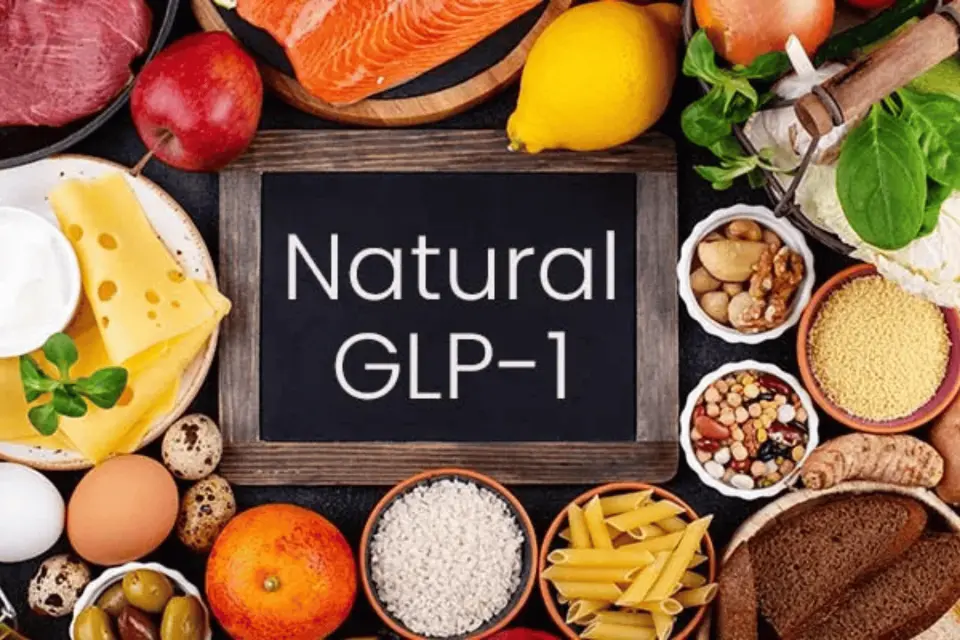 Exercise and Lifestyle Habits That Support GLP-1
Exercise is a natural stimulator of GLP-1 secretion. Both aerobic activities, like walking, cycling, or swimming, and resistance training have been shown to increase GLP-1 levels. Aim for at least 150 minutes of moderate exercise per week to support hormone balance and improve insulin sensitivity.
Chronic stress can disrupt hormone regulation, including GLP-1. Practices such as mindfulness meditation, yoga, or deep breathing exercises may help reduce stress and support healthy GLP-1 levels.
Sleep deprivation negatively affects many hormones, GLP-1 included. Prioritizing 7 to 9 hours of restful sleep each night can improve your body’s ability to regulate appetite and blood sugar.
Your gut bacteria play a significant role in GLP-1 production. Beneficial microbes ferment dietary fiber into short-chain fatty acids, which stimulate GLP-1 secretion. Maintaining a diverse and balanced gut microbiome is essential for this process.
Consuming probiotic-rich foods like yogurt, kefir, sauerkraut, and kimchi can support gut health. Prebiotics, found in foods like garlic, onions, asparagus, and bananas, feed the good bacteria. Together, they help optimize GLP-1 levels naturally.
If you have concerns about blood sugar management, weight control, or metabolic health, consulting a healthcare provider is important. Telehealth platforms like Doctronic.ai offer convenient access to medical professionals who can provide personalized advice and treatment options. Whether you want to explore natural ways to boost GLP-1 or need guidance on medications, expert support is just a click away.
Empowering Your Health with Natural GLP-1 Support
Boosting GLP-1 naturally is a practical approach to improving blood sugar control and appetite management. By focusing on a balanced diet rich in fiber, protein, and healthy fats, staying active, managing stress, and supporting gut health, you can enhance this hormone’s benefits.
For personalized medical advice and convenient telehealth access, consider Doctronic.ai. Combining natural strategies with professional guidance offers a comprehensive path to better metabolic health.
GLP-1 is a hormone that helps regulate blood sugar levels and appetite. It promotes insulin release, slows digestion, and reduces hunger, making it important for metabolic health and weight management.
Yes, diet, exercise, stress management, and gut health all influence GLP-1 levels. Eating fiber-rich foods, protein, healthy fats, staying active, and supporting gut bacteria can boost GLP-1 naturally.
Generally, natural methods like improving diet and exercise are safe. If you have medical conditions or take medications, consult a healthcare provider before making significant changes.
Doctronic.ai provides AI-powered primary care and telehealth visits with licensed doctors. They can help interpret symptoms, recommend lifestyle changes, and guide treatment for blood sugar and metabolic concerns.
Yes, studies show that both aerobic and resistance exercise stimulate GLP-1 secretion, improving insulin sensitivity and appetite regulation.
You can boost GLP-1 naturally through fiber-rich foods, protein, healthy fats, regular exercise, good sleep, and gut health support. These habits improve blood sugar control and appetite regulation, and with personalized guidance from Doctronic.ai, you can safely optimize your metabolic health.
Get weight loss guidance
Chat Now
Join 50,000+ readers using Doctronic to understand symptoms, medications,
and next steps.
Add your phone number below to get health updates and exclusive VIP offers.
By providing your phone number, you agree to receive SMS updates from Company. Message and data rates may apply. Reply “STOP” to opt-out anytime. Read our Privacy Policy and Terms of Service for more details.
Save your consults. Talk with licensed doctors and manage your health history.