

Natural GLP-1 Supplements: Do They Work?
Understanding GLP-1 and Its Role in HealthGlucagon-like peptide-1, or GLP-1, is a hormone produced in the gut that helps regulate blood sugar levels and appetite. When you [...]
Read More
Medically reviewed by Alan Lucks | MD, Alan Lucks MDPC Private Practice - New York on January 17th, 2026.
GLP-1 is a hormone that plays a key role in blood sugar regulation and appetite control.
Natural supplements claiming to boost GLP-1 levels are gaining popularity for weight management and diabetes support.
Scientific evidence on the effectiveness of natural GLP-1 supplements is limited and mixed.
Consulting healthcare professionals through telehealth services like Doctronic.ai can provide personalized advice on GLP-1 and related treatments.
Understanding the role of GLP-1 and the difference between natural supplements and prescription medications is essential for safe and effective use.
Glucagon-like peptide-1, or GLP-1, is a hormone produced in the gut that helps regulate blood sugar levels and appetite. When you eat, GLP-1 is released to stimulate insulin secretion, slow gastric emptying, and reduce hunger. These effects make it an important factor in managing conditions like type 2 diabetes and obesity. The hormone also helps enhance the feeling of fullness after meals, which can further aid weight management and prevent overeating.
Pharmaceutical GLP-1 receptor agonists have been developed to mimic this hormone’s effects and are prescribed to help control blood sugar and promote weight loss. These medications, such as liraglutide and semaglutide, have shown significant results, demonstrating not only improved glycemic control but also substantial weight loss in patients. These medications require a prescription and medical supervision, as they can have side effects and may not be suitable for everyone.
Given the benefits of GLP-1 in managing weight and blood sugar, many seek natural ways to enhance its levels. Natural GLP-1 supplements often contain ingredients like fiber, certain herbs, or plant extracts that may indirectly support appetite control and blood sugar regulation through digestive and metabolic pathways. Their effects on GLP-1 secretion itself appear to be modest and variable. For instance, foods rich in soluble fiber, such as oats and legumes, can promote a healthy gut environment that may enhance GLP-1 secretion. Certain compounds found in foods such as green tea and turmeric are thought to positively impact GLP-1 levels.
These supplements appeal to those wanting a more accessible or holistic approach without prescription drugs. But how effective are they? While some studies suggest that specific dietary changes and natural supplements can indeed boost GLP-1 levels, the results can vary widely among individuals. The long-term effects and safety of these natural boosters are still being researched. It's essential for individuals to consult healthcare professionals before starting any new supplement regimen, especially if they have existing health conditions or are taking other medications. Understanding the balance among diet, lifestyle, and supplementation is key to effectively managing GLP-1-related health outcomes.
Natural GLP-1 supplements typically include ingredients such as:
Fiber: Soluble fibers like glucomannan and inulin can promote gut health and may encourage GLP-1 secretion.
Herbal extracts: Some plants like berberine, cinnamon, and fenugreek have been studied for their potential to influence glucose metabolism and hormone levels.
Probiotics: Certain probiotic strains might affect gut hormones, including GLP-1, by improving the gut microbiome.
These components aim to support the body’s natural hormone production rather than directly supplying GLP-1.
Fiber slows digestion, which can stimulate GLP-1 release by prolonging nutrient exposure in the intestines. Herbal compounds may improve insulin sensitivity or reduce inflammation, indirectly supporting GLP-1 activity. Probiotics can alter gut bacteria composition, potentially enhancing GLP-1 secretion.
The degree to which these supplements increase GLP-1 levels varies widely and is often modest compared to pharmaceutical options.
Research on natural GLP-1 supplements is still emerging. Some studies show promising results, while others find minimal or no significant impact.
Fiber supplements like glucomannan have been shown to improve satiety and modestly increase GLP-1 secretion in some clinical trials.
Berberine has been shown to improve blood sugar control in some human studies and has demonstrated potential effects on GLP-1 signaling primarily in animal and laboratory research.
Probiotic supplementation may influence gut hormone signaling, including GLP-1, but results in human studies are inconsistent and depend heavily on specific bacterial strains.
Many studies have small sample sizes or short durations, making it hard to draw firm conclusions. The effects on GLP-1 levels are often subtle and may not translate into significant clinical benefits for weight loss or diabetes management.
Natural supplements are not regulated as strictly as medications, so quality and potency can vary between products.
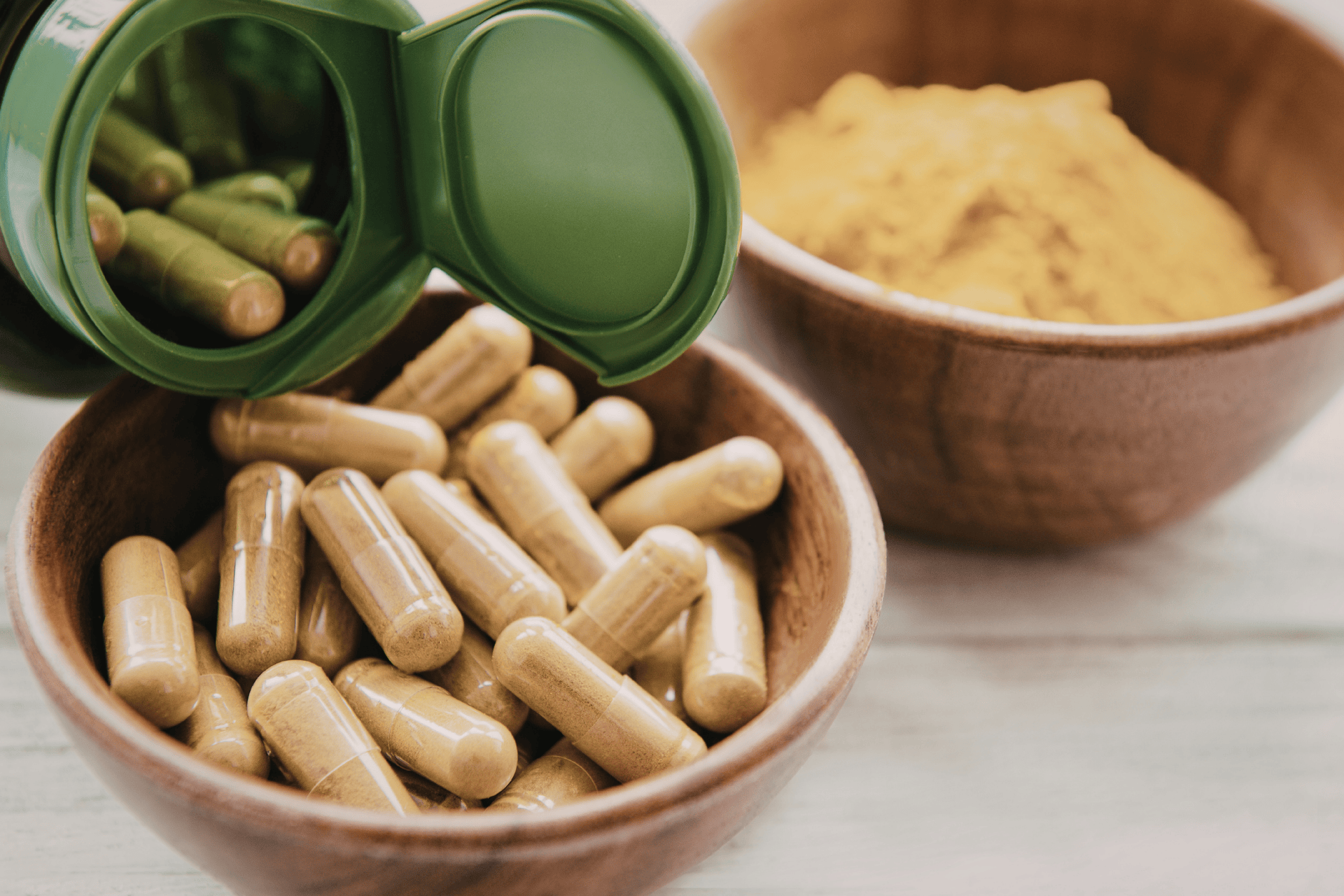 Comparing Natural Supplements and Prescription GLP-1 Medications
Prescription GLP-1 receptor agonists are designed to mimic the hormone’s effects strongly and consistently. They have undergone rigorous testing and are approved for treating type 2 diabetes and obesity under medical supervision.
Proven effectiveness in lowering blood sugar and promoting weight loss
Standardized dosing and quality control
Monitored by healthcare providers to manage side effects and interactions
Natural supplements may appeal due to lower cost, ease of access, or preference for non-pharmaceutical options. They can be part of a broader lifestyle approach, including diet and exercise.
Relying solely on natural supplements without professional guidance may delay effective treatment, especially for serious conditions like diabetes.
Deciding whether natural GLP-1 supplements are right for you depends on your health goals and medical background. Talking to a healthcare professional is crucial to understanding risks, benefits, and alternatives.
Doctronic.ai offers quick, affordable access to licensed doctors who can provide personalized advice about GLP-1, supplements, and treatment options. You can have video visits anytime, from anywhere in the United States, often for less than $40.
Doctronic’s AI-powered system also offers free initial assessments to help guide your questions before connecting with a doctor. This blend of AI and human care ensures you get reliable information tailored to your needs.
Before starting any supplement, especially those affecting hormones, it is important to consider safety and potential interactions with other medications.
Discuss your plans with a healthcare professional, particularly if you have diabetes, other chronic conditions, or take prescription drugs. They can help monitor your progress and adjust treatments as needed.
Look for supplements from reputable manufacturers that provide transparent ingredient lists and third-party testing. Avoid products making unrealistic claims about rapid weight loss or cure-all effects.
Track any changes in symptoms, blood sugar levels, or side effects. If you experience adverse reactions, stop the supplement and seek medical advice promptly.
Natural GLP-1 supplements may offer some benefits for appetite control and blood sugar support, but their effects are generally mild compared to prescription medications. They can be part of a healthy lifestyle that includes balanced nutrition and regular exercise.
For those considering these supplements, professional guidance is key. Telehealth services like Doctronic.ai provide accessible, expert care to help you make informed decisions about your health.
GLP-1 is a hormone that helps regulate blood sugar and appetite. It stimulates insulin release, slows digestion, and reduces hunger, making it important in managing diabetes and weight.
Some natural supplements, such as fiber and certain herbs, may modestly boost GLP-1 secretion, but the effects are usually mild and vary among individuals.
Many natural supplements are generally well tolerated when used appropriately, but safety can vary based on product quality, side effects, dosage, and individual health conditions. It is important to consult a healthcare provider before starting, especially if you have underlying health conditions or take medications.
No, prescription GLP-1 medications have stronger and more consistent effects. Natural supplements may support health, but should not replace prescribed treatments without medical advice.
You can consult licensed doctors through telehealth platforms like Doctronic.ai for personalized guidance on GLP-1, supplements, and treatment options.
Natural GLP-1 supplements may offer mild support for appetite control and blood sugar balance, but evidence is limited, and results vary. They are not a substitute for prescription GLP-1 medications. Consulting a healthcare professional, such as via Doctronic.ai, helps ensure safe, effective choices.
Understanding GLP-1 and Its Role in HealthGlucagon-like peptide-1, or GLP-1, is a hormone produced in the gut that helps regulate blood sugar levels and appetite. When you [...]
Read More